New Hampshire Furnaces
Profile view of a bearded man wearing a dark green baseball cap and a dark gray T-shirt against a plain light background.

Furnace on but house still cold in New Hampshire

Step 1 of 3: Equipment

Why is my furnace running but my house still cold?

Your furnace kicks on, runs, and runs, but the house never gets warm. That's worth paying attention to in a New Hampshire winter, especially with oil and electric rates as high as they are here. A furnace that runs constantly without heating the house isn't just uncomfortable, it's burning fuel or power for little result. Something is keeping the heat from reaching the rooms, even though the furnace itself is working.

Usually the furnace is heating, but the heat isn't getting to the rooms

Most of the time this means the furnace is producing heat but something between it and your rooms is stopping it from getting there. A clogged filter cuts off airflow so the heat exchanger overheats and the furnace runs longer for less output. A failing blower motor moves less air than it should. Leaky or disconnected ductwork can send warm air into a basement or attic instead of your living space. Less often, the thermostat is misreading the room, or the furnace is undersized for the house and was never going to keep up on the coldest days. With oil heat, a dirty nozzle or a weak burner can mean the furnace runs but puts out less heat than it's supposed to. Any of these can run up your fuel or electric bill without warming the house.

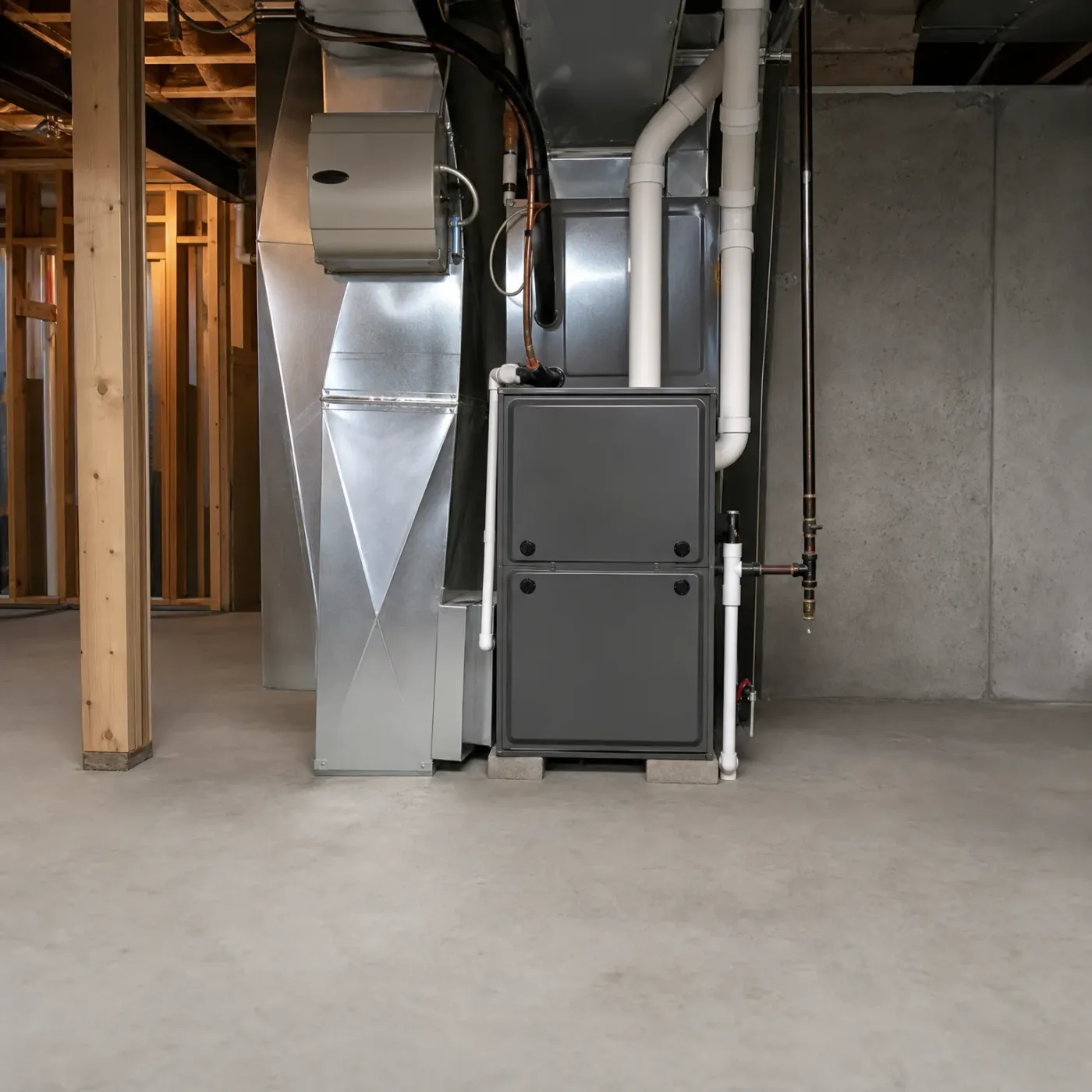
A gray high-efficiency furnace with white PVC venting pipes stands on blocks in a basement next to sheet-metal ductwork, with exposed wood framing on the left and a concrete wall and floor.

Running and heating

Air comes out of the registers warm enough to feel right away. The furnace cycles on, runs for a while, then shuts off, and the house holds that heat until the next cycle. The thermostat setting and the room temperature match within a few degrees.
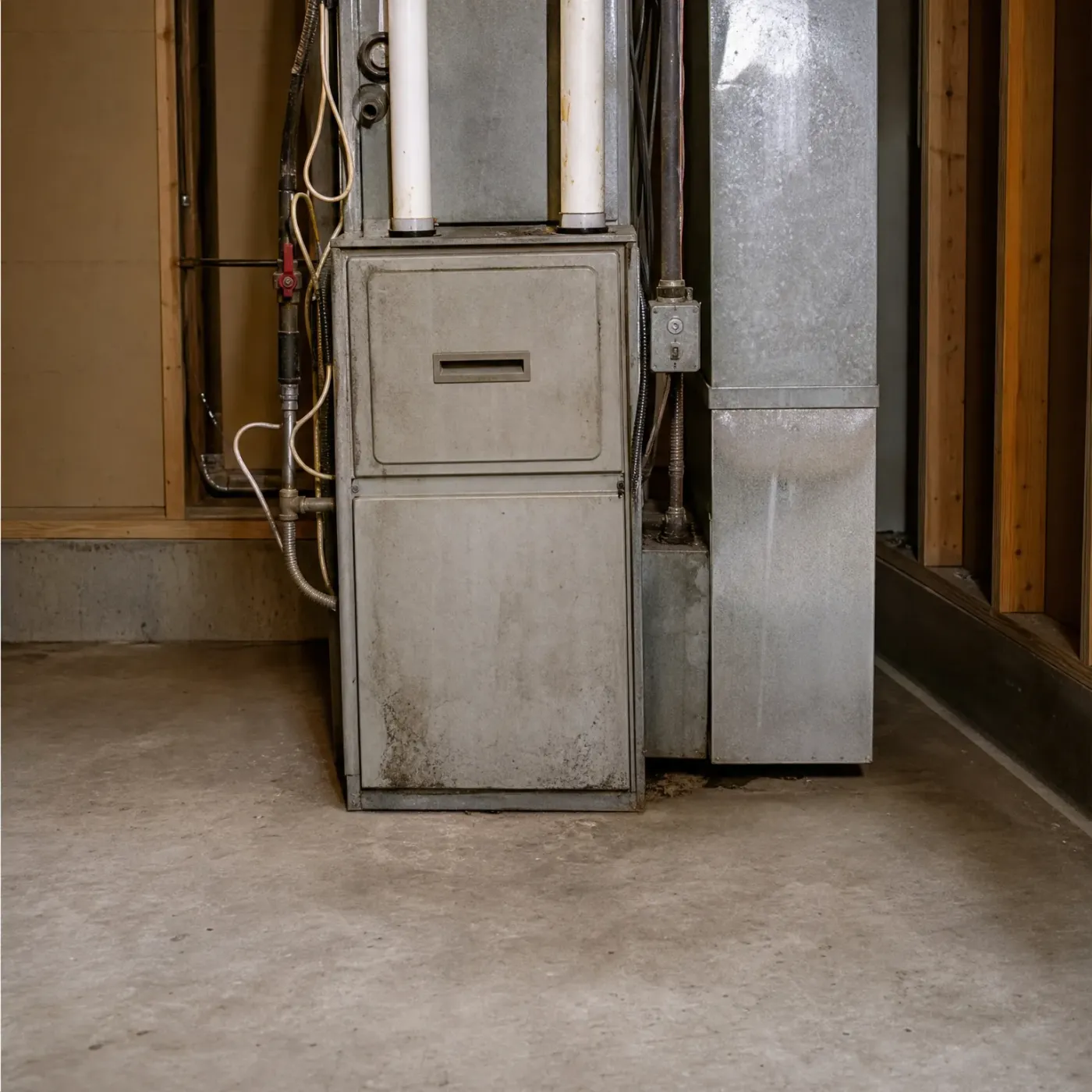

An older gas furnace with two white PVC vent pipes stands on a concrete basement floor beside galvanized sheet-metal ductwork, flexible conduit, and piping along a wall.

Running and not heating

The furnace runs, sometimes longer than it used to, but the air from the vents feels cool or barely warm. Rooms stay cold no matter how long it runs, and it may short cycle, shutting off after a few minutes and starting again. That points to a problem a licensed tech needs to look at directly.

Is this costing you more than it should?

You've probably noticed the furnace running longer than it used to, maybe most of the hour instead of cycling off. You stand by a register and feel air that's barely warm, not the rush of heat you expect. Some rooms stay cold no matter what the thermostat says. Upstairs might be fine while downstairs isn't, or the other way around. If you heat with oil, you may be going through it faster this winter without any extra cold to explain it. A furnace working this hard to get nowhere is burning oil or electricity for heat that never makes it into the house, and in New Hampshire that adds up fast on a bill that's already steep.

  1. The thermostat calls for heat and the furnace gets the signal.

  2. Oil burner ignites, or the igniter lights the gas burners.

  3. The heat exchanger absorbs that heat as the burners run.

  4. The blower pushes air across the heat exchanger into the ducts.

Call Now or Wait It Out

Call for repair now

  • A cracked heat exchanger can leak exhaust into the air the blower pushes through your ducts, and that's not something to wait on.
  • If the furnace is short cycling, shutting off after a few minutes and starting again, the burners or igniter wear out faster each time it happens.
  • A furnace that smells like oil fumes or shows soot around the burner door needs a technician before it runs again, not after.
  • Rooms that were warm last winter and are cold now usually point to a specific failed part, not something that fixes itself by waiting.
  • Waiting through a cold snap on a furnace that's already struggling risks it failing completely on the night you need it most.

Reasonable to watch a few days

  • If the house is a couple degrees cooler than the thermostat setting but still comfortable, that gap is worth tracking before calling anyone.
  • A furnace that just started running longer after a stretch of single-digit nights may just be working harder in the cold, not failing.
  • If you changed the filter recently and airflow still seems weak, give it a day to confirm the problem before assuming the worst.
  • One room running cold while the rest of the house is fine often comes down to a closed vent or a shut duct damper, easy to check yourself first.
  • No burning smell, no odd noise, no soot, just a house that feels slightly underheated, is a reasonable thing to monitor before scheduling a repair.
A gray-haired man in a dark sweater sits on a light gray sofa in a living room, looking toward a sunlit window with trees outside.
A gray-haired man in a dark blue sweater sits on a light gray sofa in a sunlit living room, looking off to the side, with a potted plant, shelving unit, and large glass doors behind him.
A bearded man with graying hair in a dark green sweater sits on a sofa in a living room, looking off to the side, with a sliding glass door and a dim kitchen doorway behind him.
A gray-haired man in a dark knit sweater sits on a light gray sofa in a living room, looking toward a sunlit window, with houseplants, a lamp, and framed art in the background.

Winter nights average 15°F statewide

At 15 below outside, a furnace that's not heating right has no time to make it up. It has to run close to flat out just to hold the house, so a clogged filter or a weak flame sensor shows up fast as cold rooms instead of a minor dip.

NOAA nClimDiv 1991-2020 county normals weighted by homes

A middle-aged woman with shoulder-length dark hair, wearing a gray cardigan over a cream top, sits in an upholstered armchair and looks toward a sunlit window, with a shelf holding framed pictures and a plant behind her.
A woman and a child wrapped together in a thick knitted blanket on a sofa, both with eyes closed, with a lit table lamp and houseplant in the dim background.
A gray furnace with copper and flexible piping stands against a wood-framed wall in an unfinished basement, connected to galvanized sheet-metal ductwork and PVC venting, with a concrete floor and exposed joists.

A furnace pro near you

Your request goes to one pro, not a list of companies.

A local pro who knows furnaces gets your details and gets in touch.

Reach a local pro

You only hire the pro if you want to.

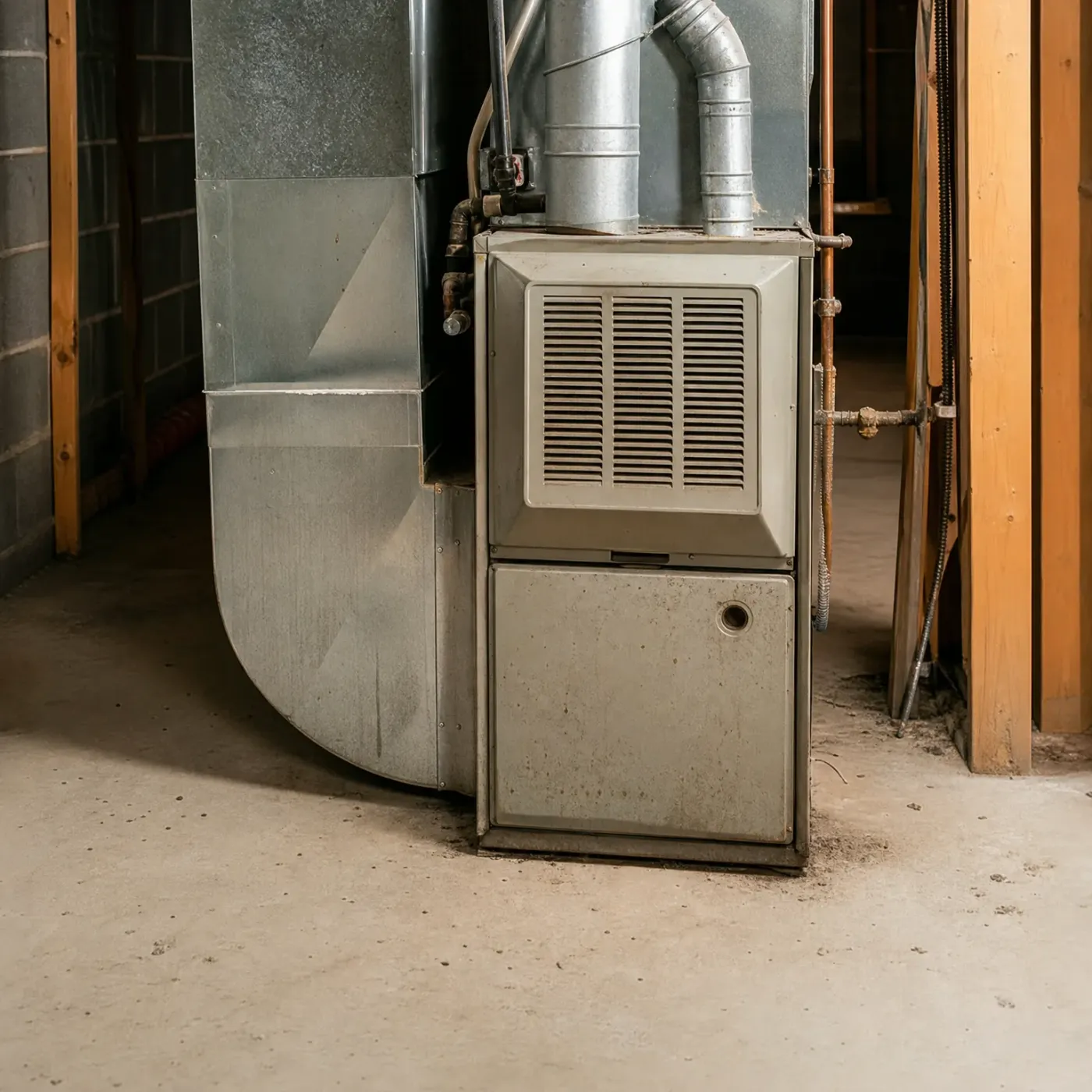
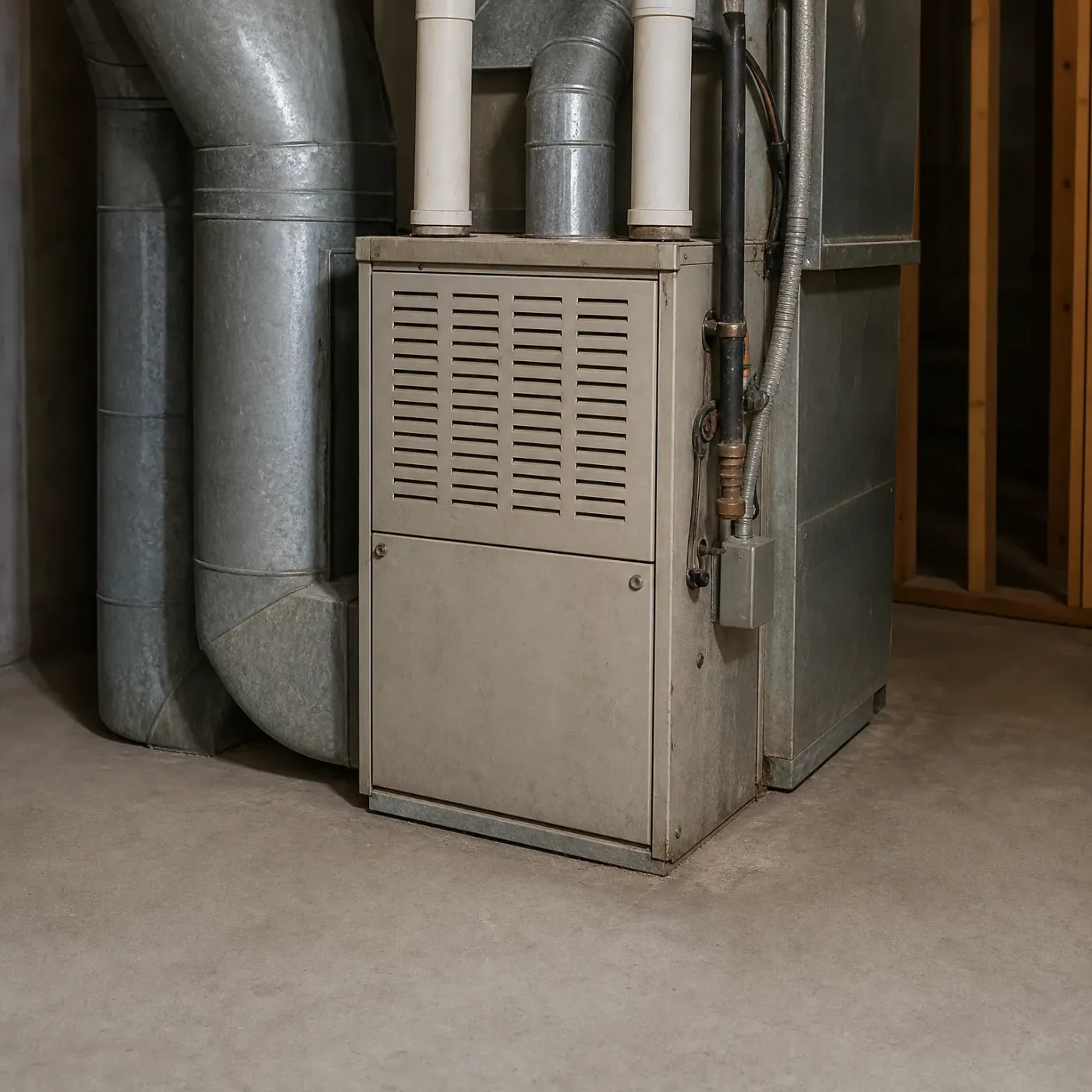
An older gas furnace with a louvered front panel stands on a concrete basement floor beside large sheet-metal ductwork, a metal flue pipe, copper piping and wood framing.
Before you get your furnace repair
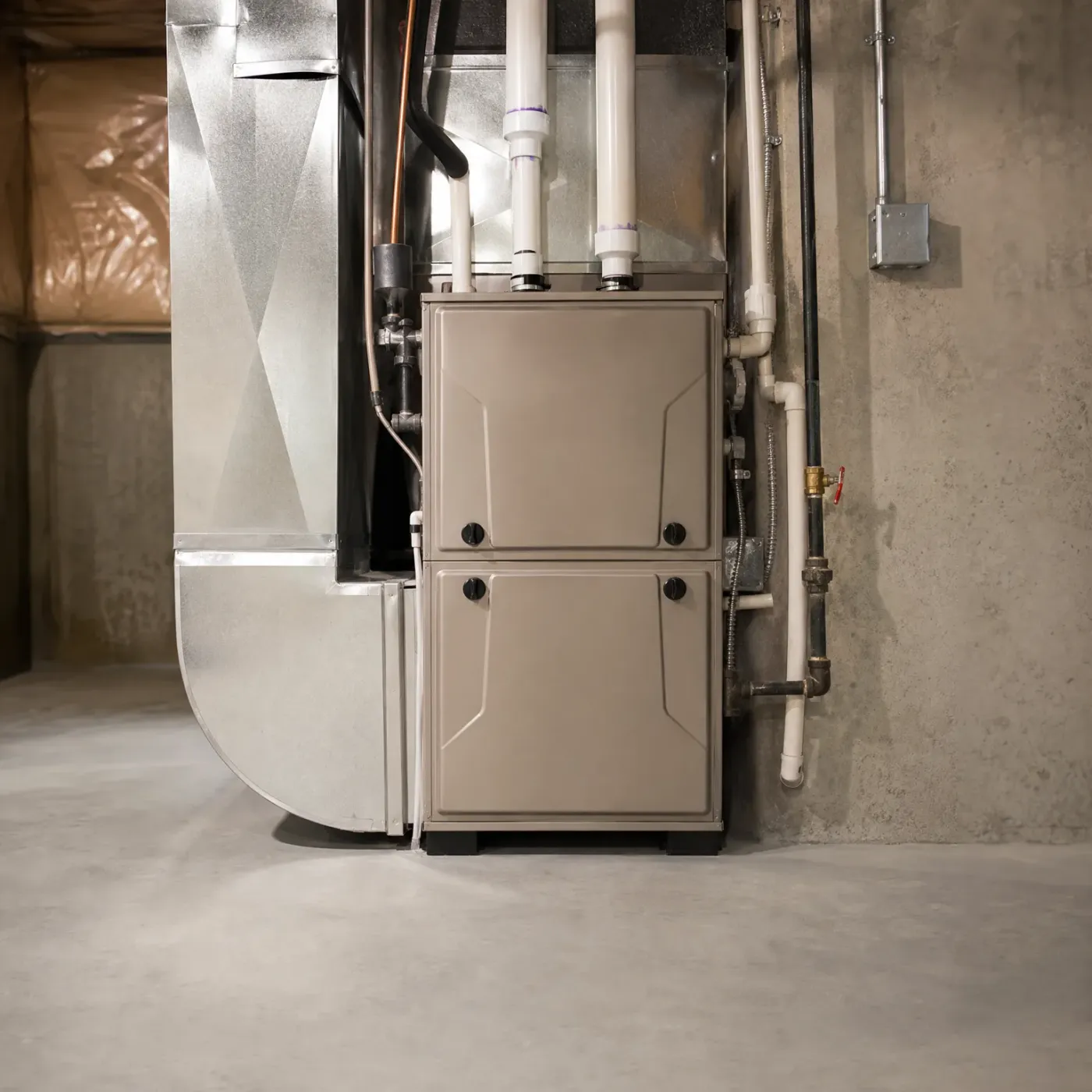
A beige high-efficiency furnace stands on a concrete basement floor beside sheet-metal ductwork, with white PVC vent pipes, flexible conduit and copper and steel piping running up a concrete wall to an electrical box.
After you get your furnace repair
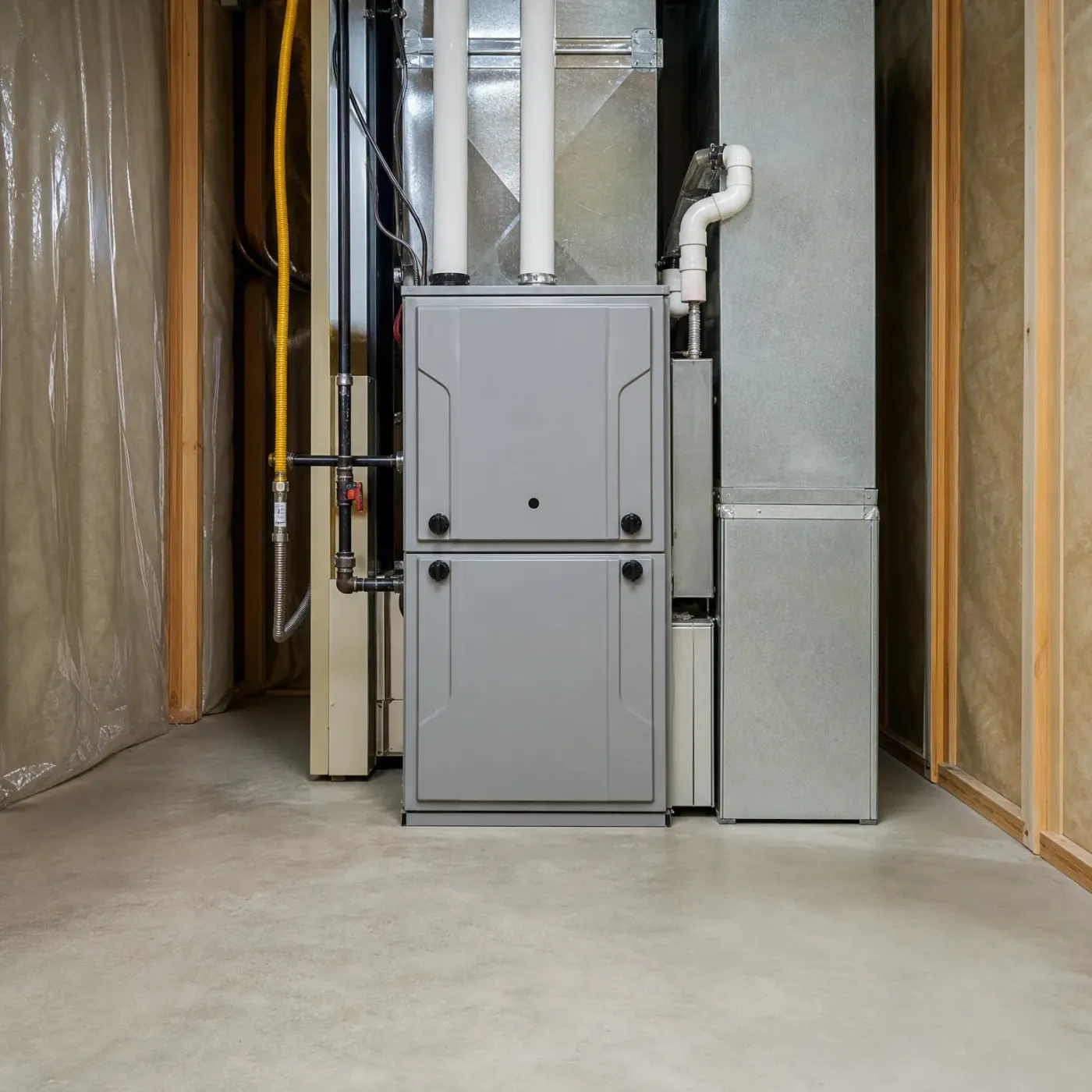
A gray high-efficiency furnace with white PVC vent pipes stands in an unfinished basement beside sheet-metal ductwork, gas piping, and insulated stud walls on a concrete floor.

Burner fires, heat exchanger does its job

The furnace sits quiet and the burner lights clean on the first try. Heat moves through the exchanger and the blower carries it into the ducts. No long runs, no cold spots, just warm air on a normal cycle.

A beige sheet-metal furnace with a louvered upper panel stands on a concrete basement floor, connected to galvanized ductwork, white PVC vent pipes, and a metal gas line with an electrical box.

Furnace runs, house doesn't warm up

The cabinet looks the same from the outside, but something inside isn't converting fuel into heat the way it should. A furnace in this shape can run for hours and still leave rooms cold, which is a sign for a licensed tech to open it up and find out what's failing.

A woman stands in the open doorway of a white stucco house holding the dark door, facing a man in a black cap and shirt seen from behind in the blurred foreground, with a potted flowering plant beside the entry.

What this does to your house while it keeps running

Walk the rooms farthest from the furnace. A bedroom over the garage, a room above an unheated basement, the far end of the house from the unit itself. Those are the rooms that go cold first when a furnace can't keep up, while the room with the thermostat still reads fine. Oil tank runs down faster than it should for the stretch of winter you're in, or the electric bill climbs past what you paid the month before for the same cold. Either way you're paying for heat that isn't reaching the rooms you're standing in.

None of that gets better by waiting out the cold snap. A furnace that's struggling in January is usually the same furnace that was struggling in November, just easier to ignore when it was 40 degrees out. Getting a local contractor who works on furnaces like yours all winter to look at it means someone who's already seen what tends to go wrong in a house like this one, and you're dealing with one contractor reaching out to you, not several competing for the job.

A living room corner with a beige sofa and cushion, a round wooden coffee table holding a pale ceramic vase of eucalyptus stems and a wooden bowl, and a curtained window with a potted plant above a latticed radiator cover in the background.
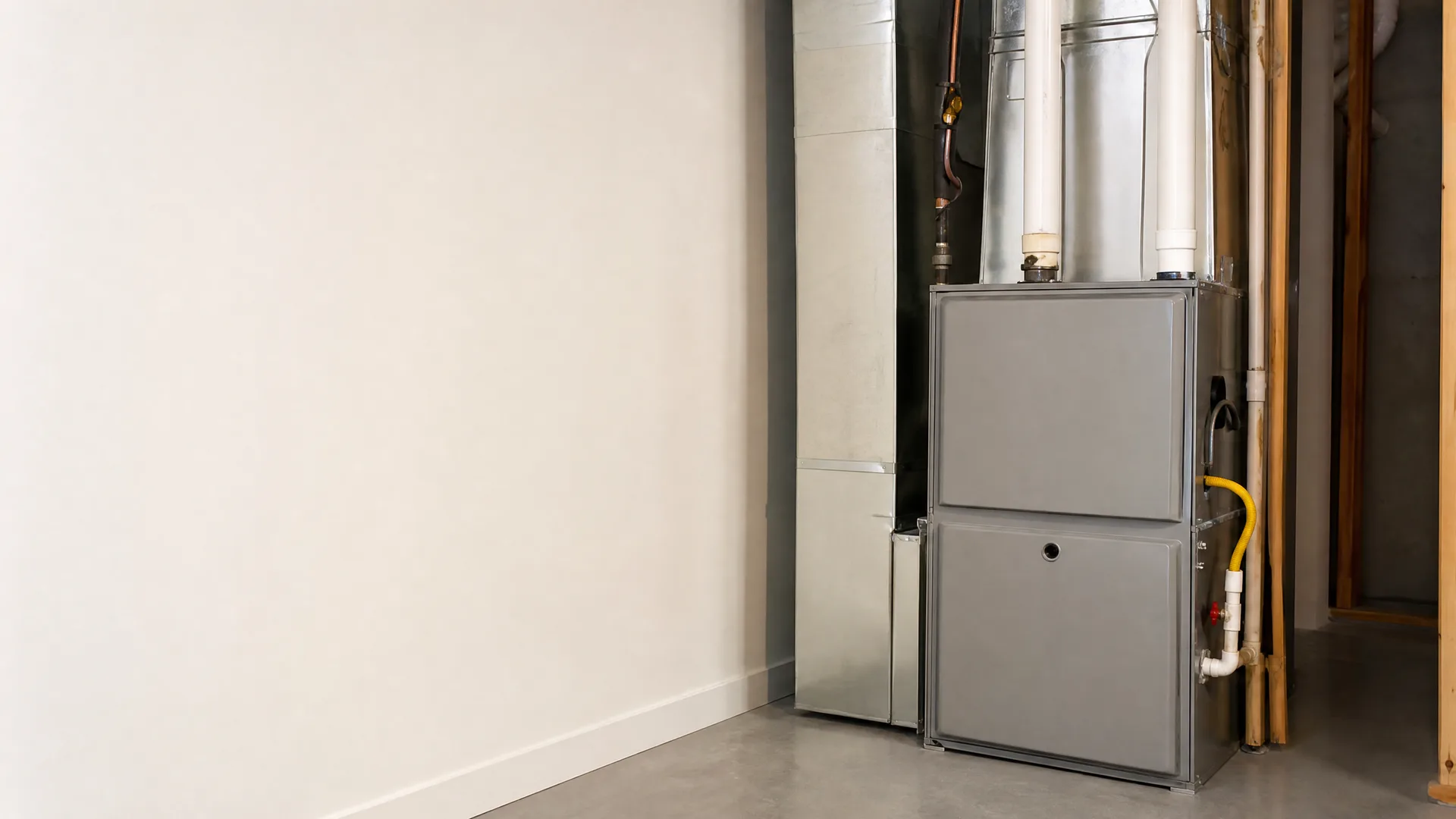
A gas furnace with sheet-metal ductwork, PVC vent pipes and copper and black piping stands against a wall in a basement with a bare light-colored wall and concrete floor.

Oil burners need clean nozzles

An oil furnace fires by spraying fuel through a nozzle fine enough to ignite on contact. Soot or a partly clogged nozzle changes that spray pattern, and the burner doesn't burn clean. You get a weaker flame than the furnace was built to produce, and the heat exchanger never gets as hot as it should. The thermostat keeps calling, the burner keeps firing, and the rooms stay cold anyway.

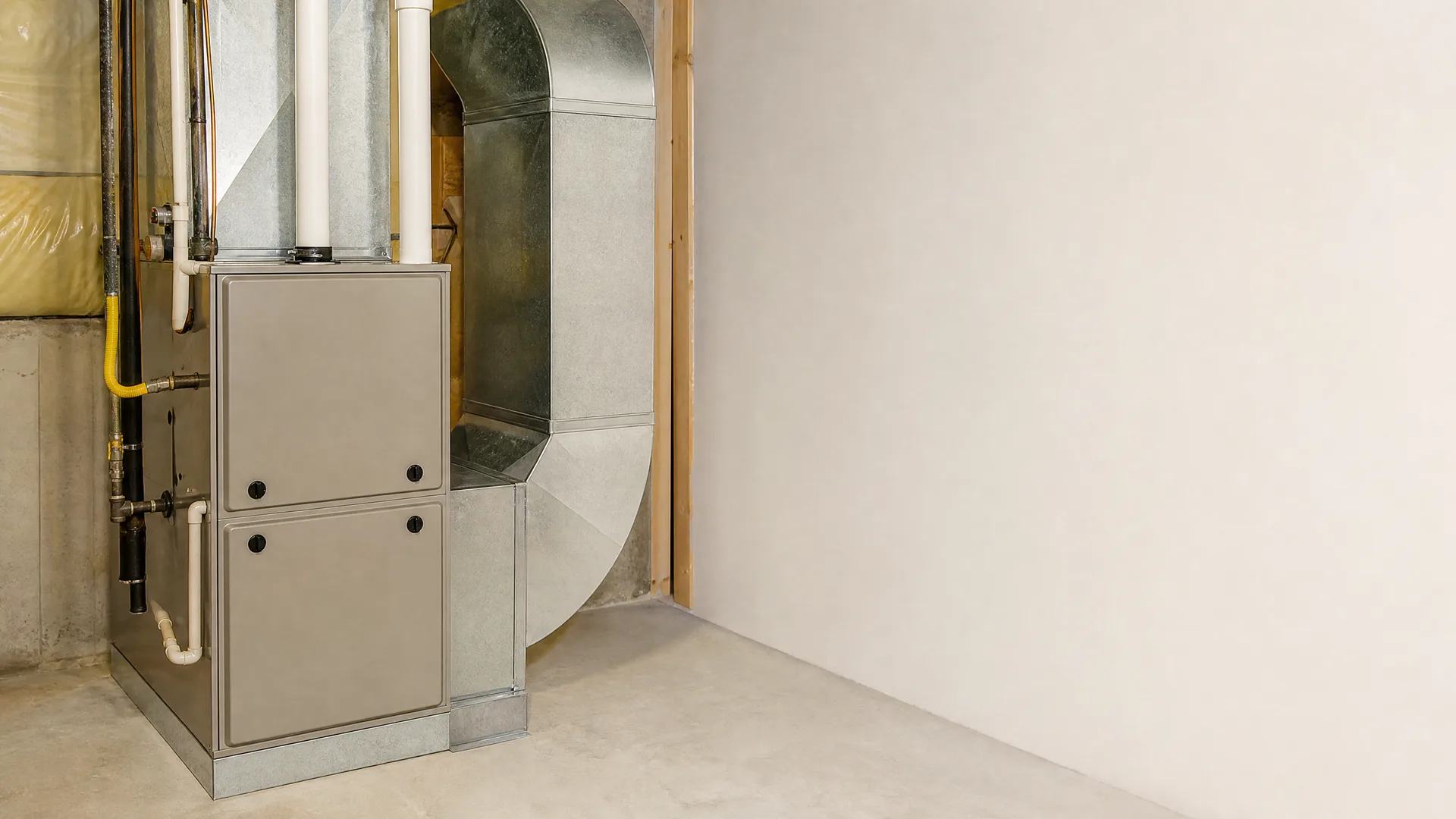
A gray furnace with attached sheet-metal ductwork, white PVC vent pipes, copper and yellow gas lines stands against a wall in a room with a plain white wall and concrete floor.

The blower has its own motor

Pushing warm air through your ducts is a separate job from making that heat in the first place, and a separate motor does it. If that motor runs slow or the belt-free drive inside it wears down, less air reaches the registers per minute. The burner can be working fine and you'd still feel weak, barely-warm air at the vents, because the problem is moving the heat, not making it.

A furnace that runs and runs without warming the house has a reason behind it, and that reason is something a technician can find and fix. You don't have to live with cold rooms through a New Hampshire winter or watch the oil tank drop faster than it should. What helps most is having someone local look at it, someone who works on furnaces like yours every winter and has a good idea what's wrong before they even open the panel. That's one contractor, licensed to do this work, not a handful of companies competing for the job and calling you all at once. They'll come to your house, see what your furnace is actually doing, and go from there. The furnace running isn't the problem. It's what's happening, or not happening, inside it while it runs. Get that looked at, and the house warms up the way it's supposed to.

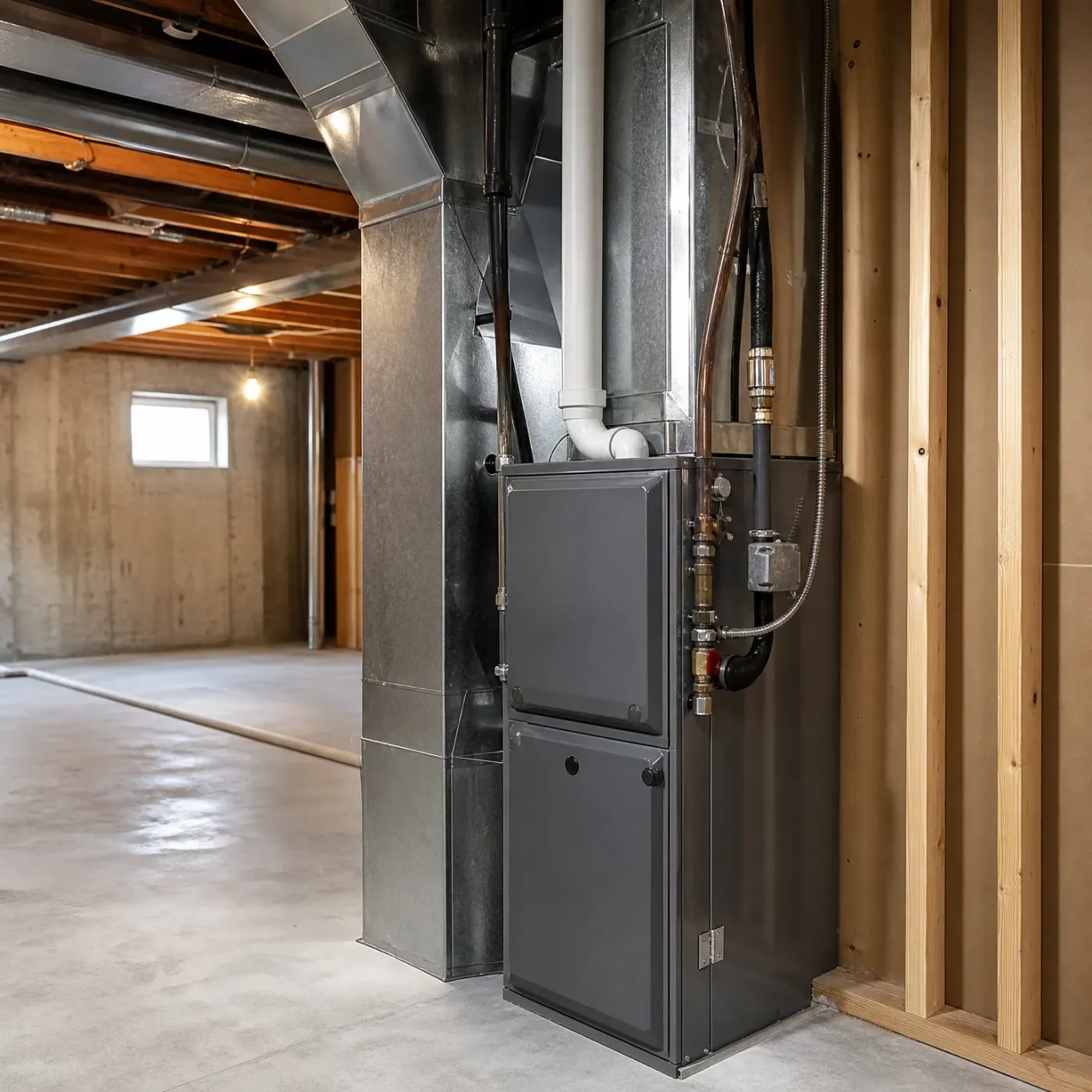
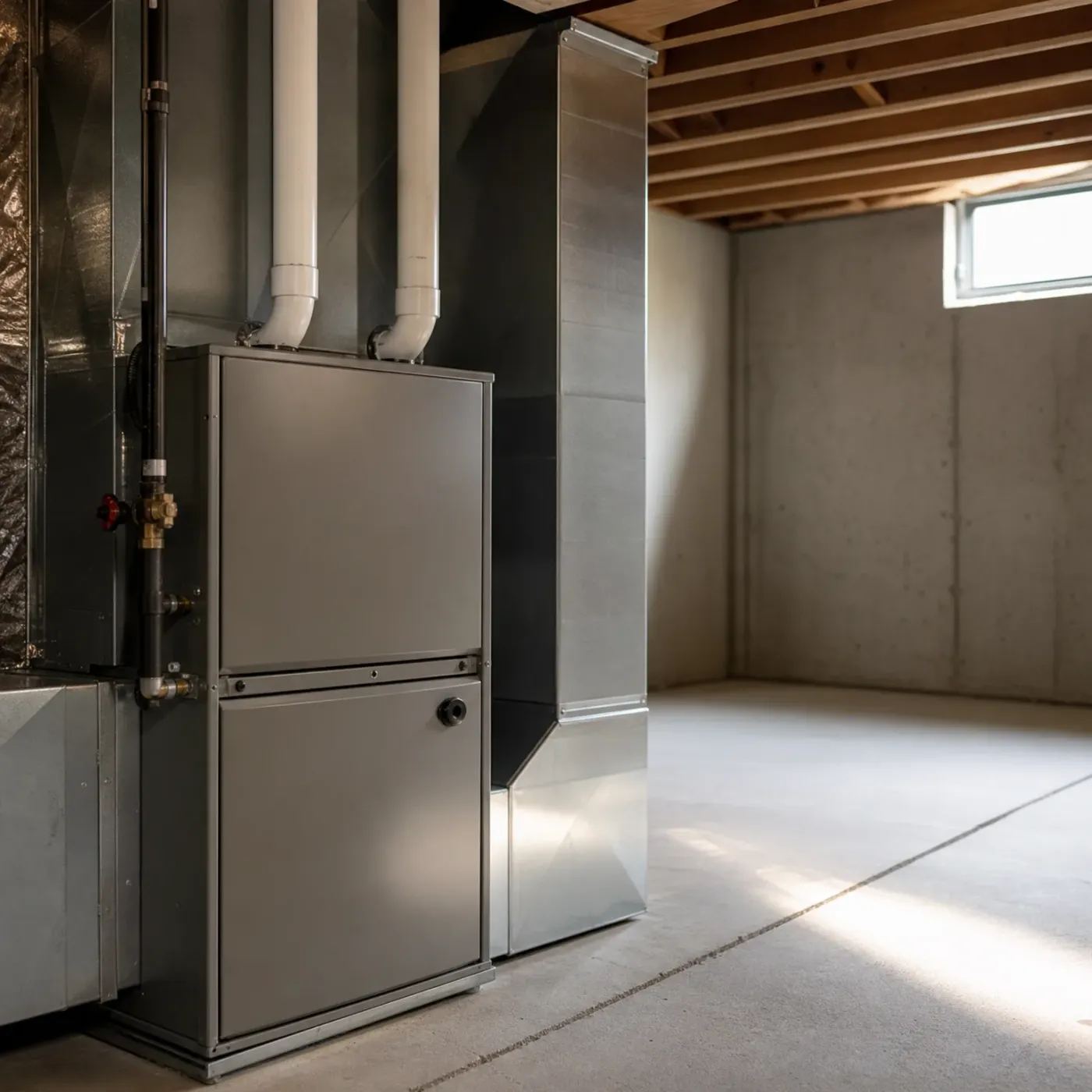
A gray furnace with PVC vent pipes and sheet-metal ductwork stands against a wall in an unfinished basement with concrete floor and walls, exposed wood joists, and a small window.

A local pro for your furnace repair

Find a licensed furnace pro

The pro who reaches out is licensed in New Hampshire.

Asking costs nothing, and the choice to hire stays yours.