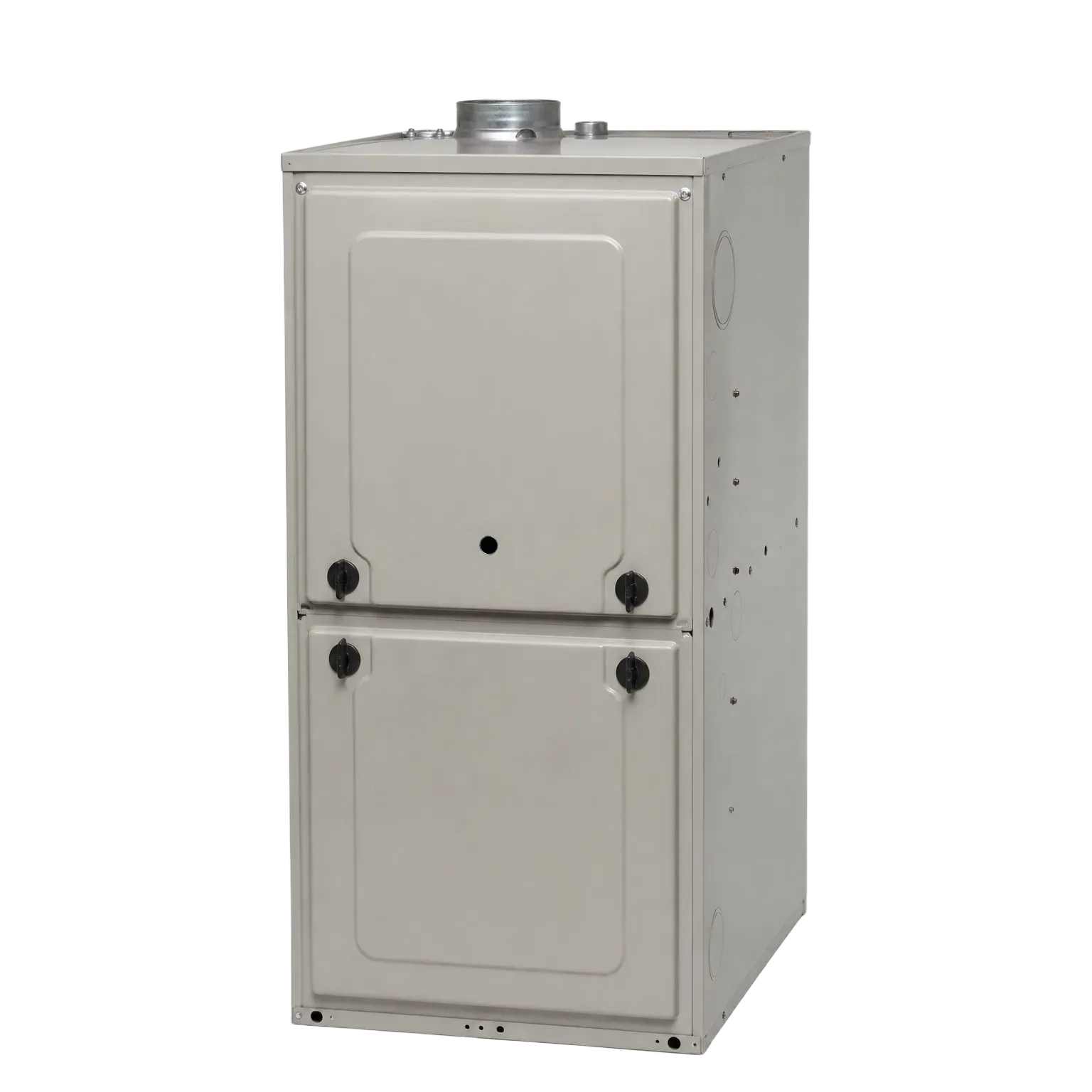

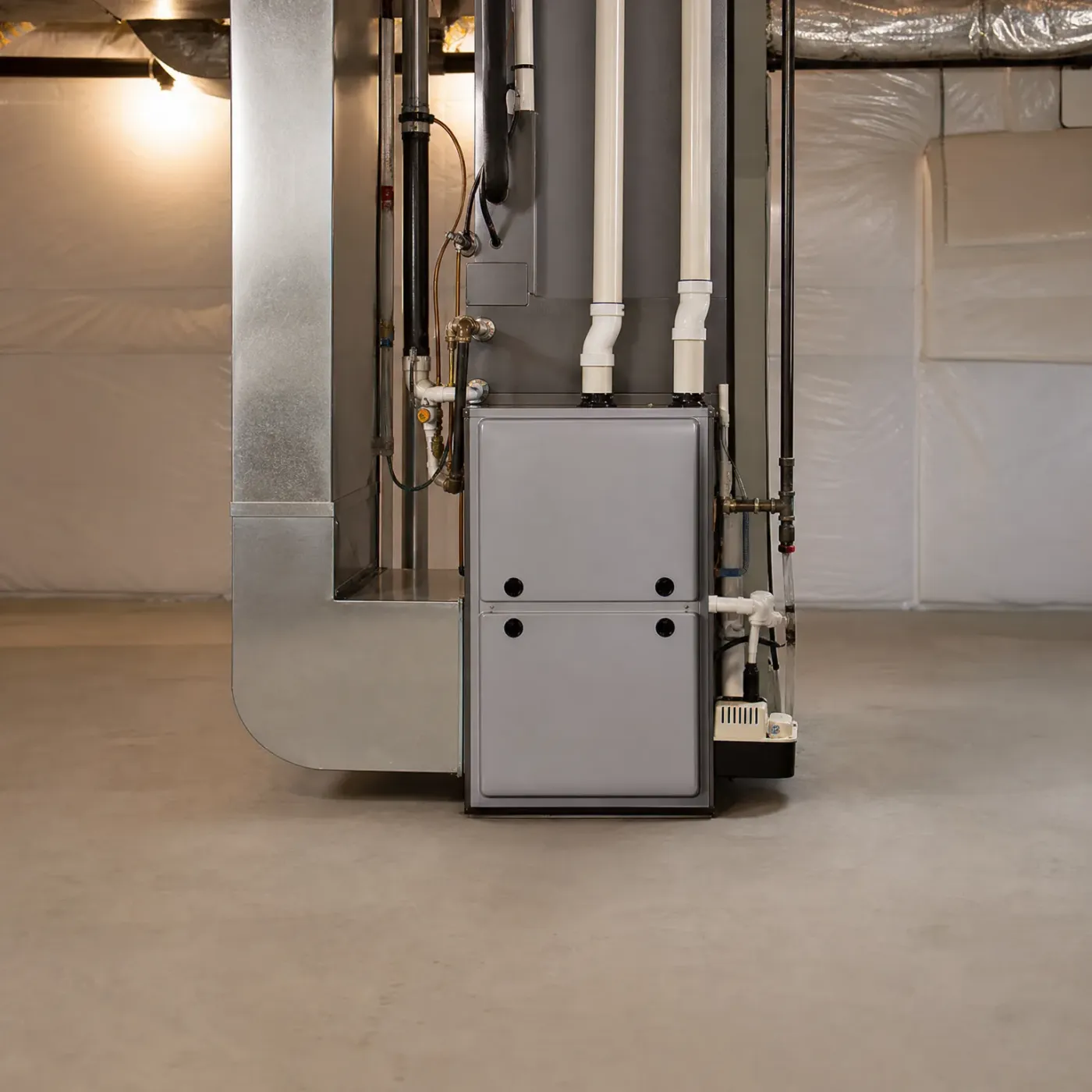
Furnace running right
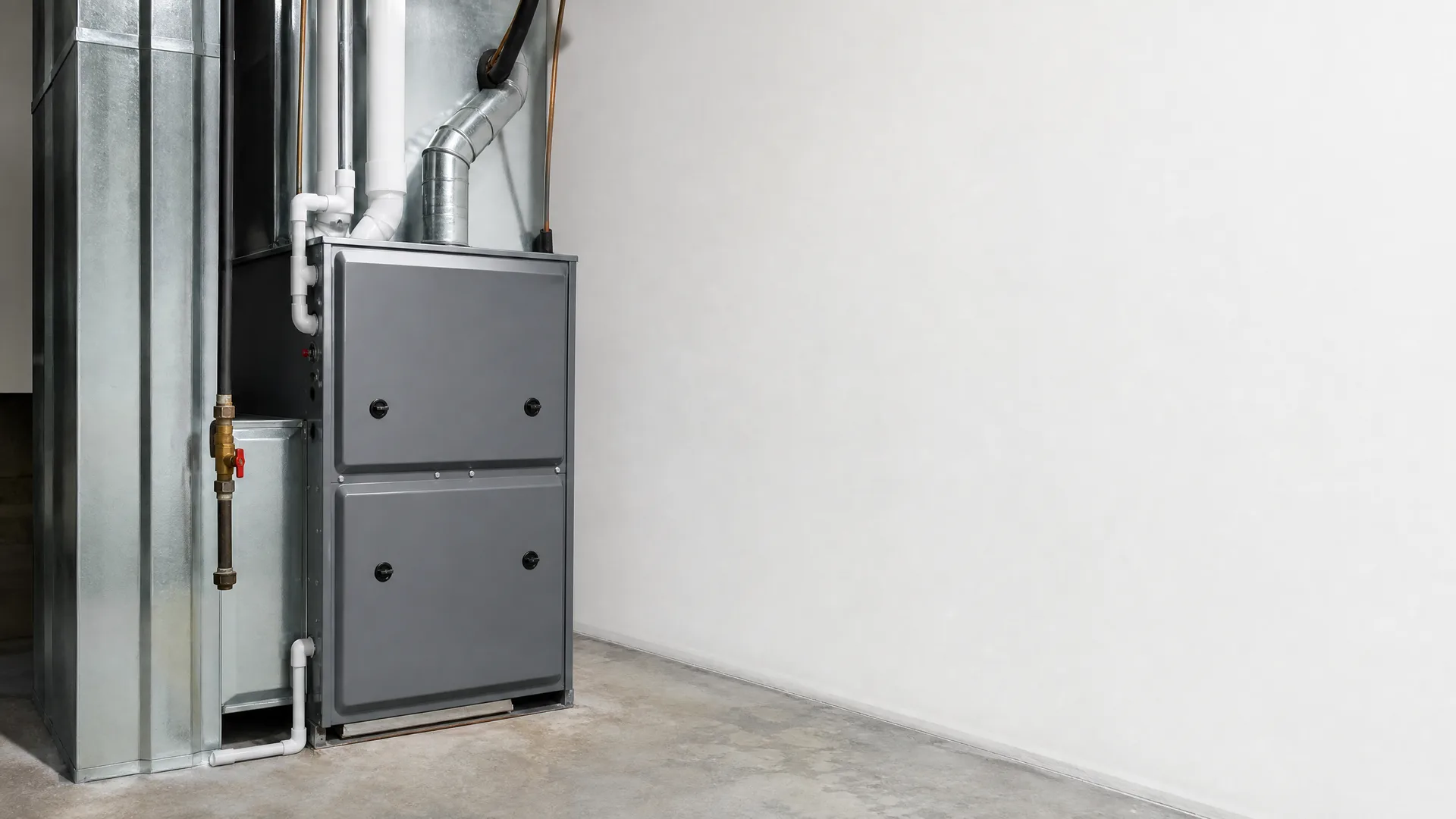
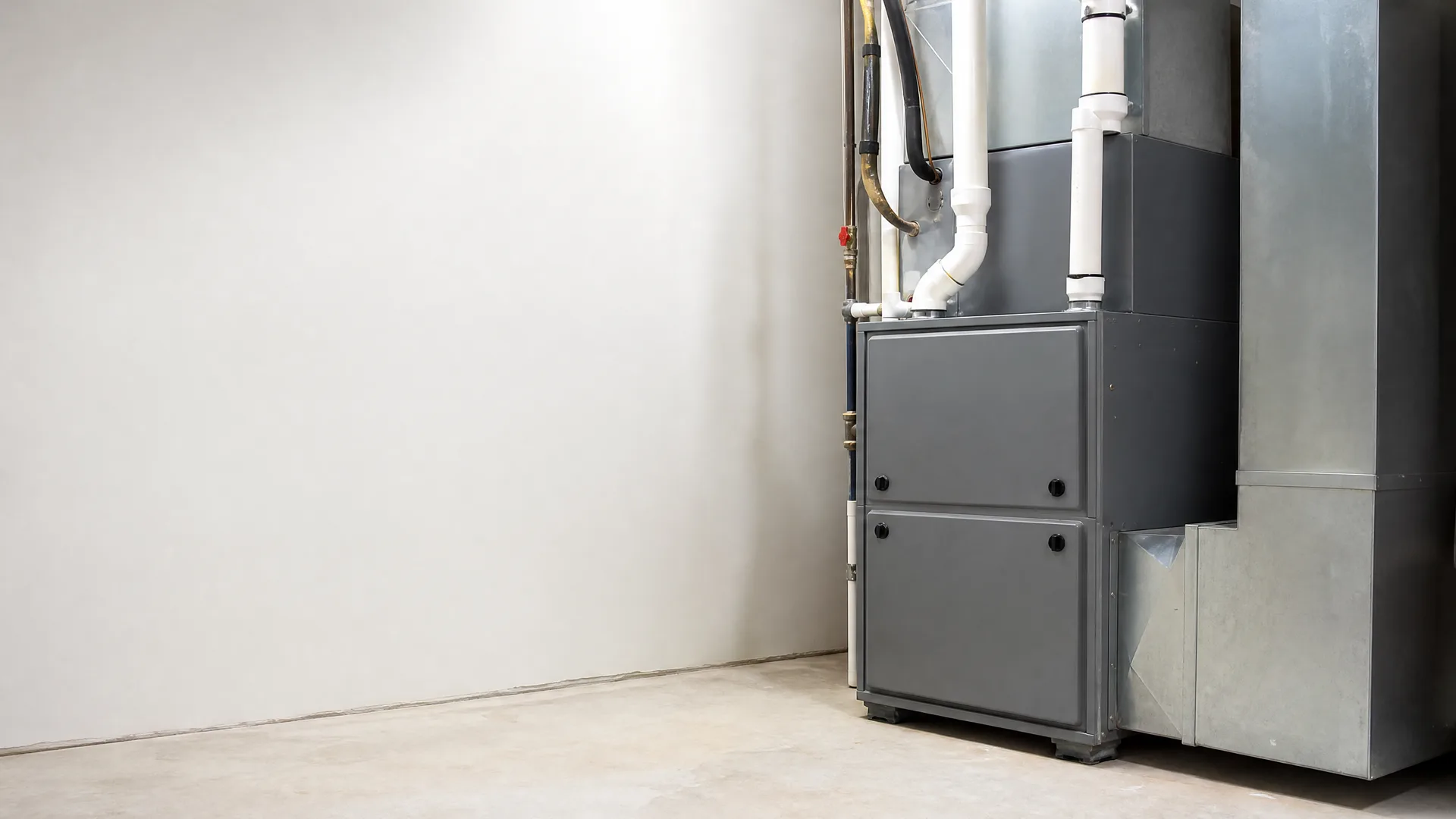
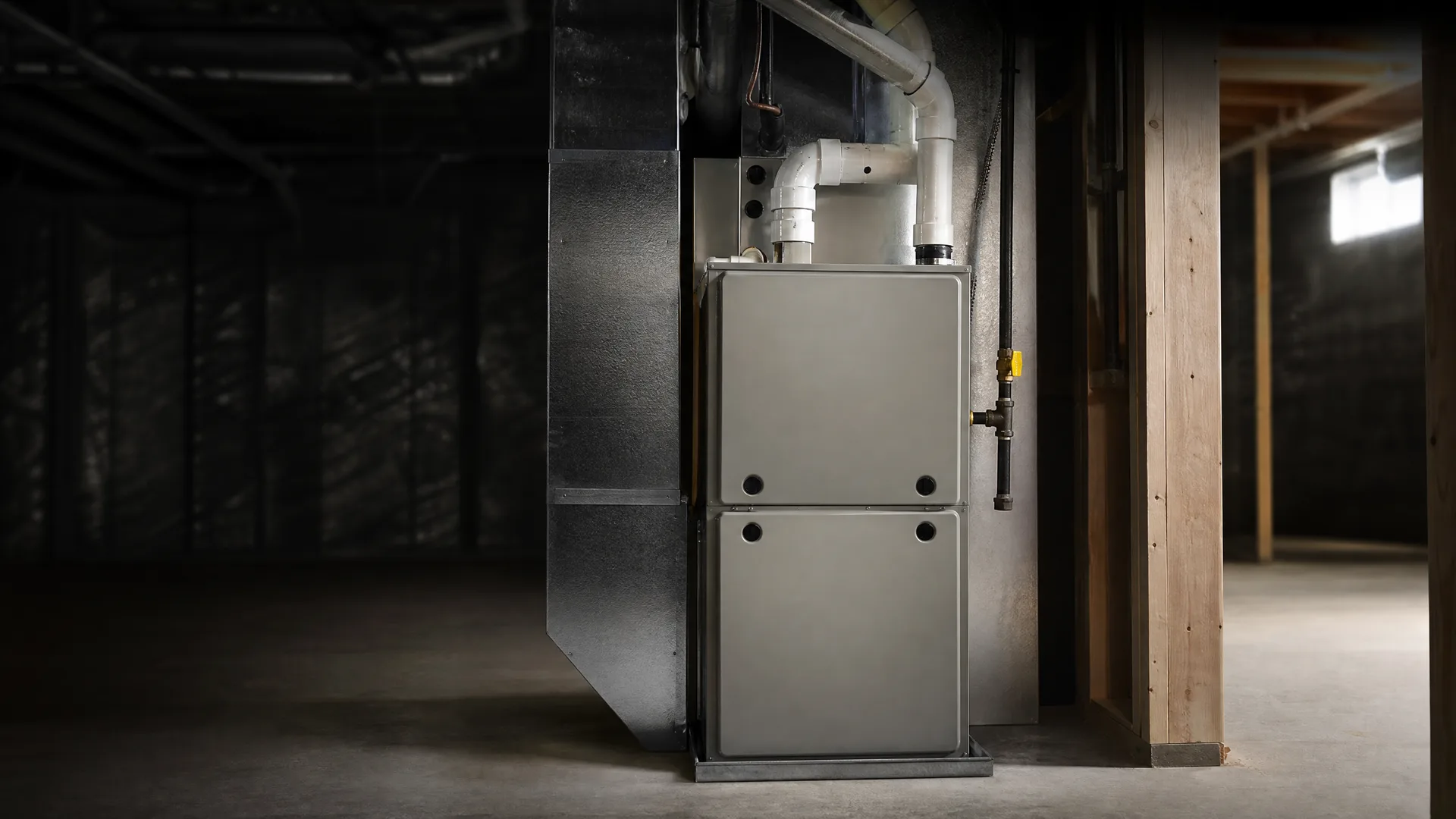
The pilot holds steady, the burners fire on the first try, and the flue draws the exhaust straight up and out. A furnace in this shape keeps the house even through a January cold snap without you thinking about it twice.
 Skip the calls
Answer a few questions instead of calling shop after shop.
A furnace pilot that won't stay lit usually comes down to one of a few things: a dirty or failing thermocouple, a draft finding its way to the flame, or a thermocouple that's slipped out of position. Sometimes it's the gas valve itself starting to go. None of these are things you can fix by relighting it again and again.
If your furnace runs on oil, which most do here, the pilot setup works a little differently than on a gas system, and the fix needs someone who knows the difference and won't guess.
Most New Hampshire homes don't lean on the furnace for long. Summers here stay mild, so the real test comes in the cold months, and a furnace that won't hold a pilot in January isn't something to leave alone while you shop around for help.
That shopping around is its own chore. Searching for a contractor near you, calling two or three, explaining the same pilot light problem each time, then sitting with quotes trying to guess which one is fair. It eats an evening or two before anyone's even looked at your furnace.
Here, you describe the problem once. It goes to a licensed contractor working in New Hampshire, someone who services this kind of equipment through the winter and has seen what usually causes a pilot to keep dying out in a house like yours. You're not fielding calls from five different companies trying to win the job. One contractor gets the details, and one contractor shows up.
With electricity costing what it does in this state, a furnace that's cycling off and relighting, or not lighting at all, is also a furnace working harder than it should. That's reason enough not to let it sit.
The rest of this page walks through what's likely going on and what the repair involves. When you're ready, the button below is where the search ends and the actual fix starts.
A pilot light that won't stay lit almost always points to the thermocouple. That's the small rod that sits in the pilot flame and tells the gas valve it's safe to keep gas flowing. Once it gets coated with soot or shifts out of the flame, it reads the pilot as out even when it isn't, and the valve shuts the gas off. A draft from a cracked flue or a loose panel can also snuff the flame itself, which looks like the same problem but has a different fix. If your furnace runs on oil, this isn't an oil burner issue at all, since oil furnaces use electronic ignition, not a standing pilot. This kind of furnace, with a pilot and a gas valve, usually means propane, since most homes in New Hampshire heat with oil. Either way, a furnace that keeps losing its pilot won't hold heat reliably through a cold stretch, and it needs a look before the weather asks more of it.
You've relit the pilot a few times now and it never holds. With most of New Hampshire running on oil heat, a furnace that still uses a standing pilot is often older equipment, and you want to know what's actually going wrong before you decide whether it's worth fixing or calling someone in.
That rod sits directly in the pilot flame. Heat from the flame keeps it sending a small electrical signal to the gas valve, telling it gas is burning safely and can keep flowing. Let the flame go out, even for a second, and that signal stops, so the valve shuts the gas off automatically. If the thermocouple has soot on it, or has worked loose from the flame over time, it can't read the heat right and the valve cuts gas before you'd expect it to. A furnace that's been running fine for years can start doing this as that one part wears down. A contractor working on heating systems across New Hampshire sees this exact failure often enough to check it first.




Your request goes to one pro, not a list of companies.
Sending the form costs nothing.
The thermocouple generates a tiny electric current, just millivolts, from the heat of the pilot flame. That current holds the gas valve open. Let the flame drift off the tip, or let soot build up on it, and the current drops too low. The valve reads that as no flame at all and shuts off the gas, pilot included. It's a safety switch doing its job, not a part failing on purpose.
A furnace pulling combustion air from a basement or utility closet is more sensitive to drafts than you'd think. Wind pushing through a cracked door, a nearby window, or a dryer vent competing for air can bend the pilot flame away from the thermocouple just enough to break contact. In a New Hampshire winter, with doors opening and closing all day and wind pressure on the house, that draft shows up more than it would in July.
Pilot flame heats the thermocouple tip sitting inside it
Thermocouple produces a small current from that heat
Current holds the gas valve's safety switch open
Soot or drift breaks contact and current drops
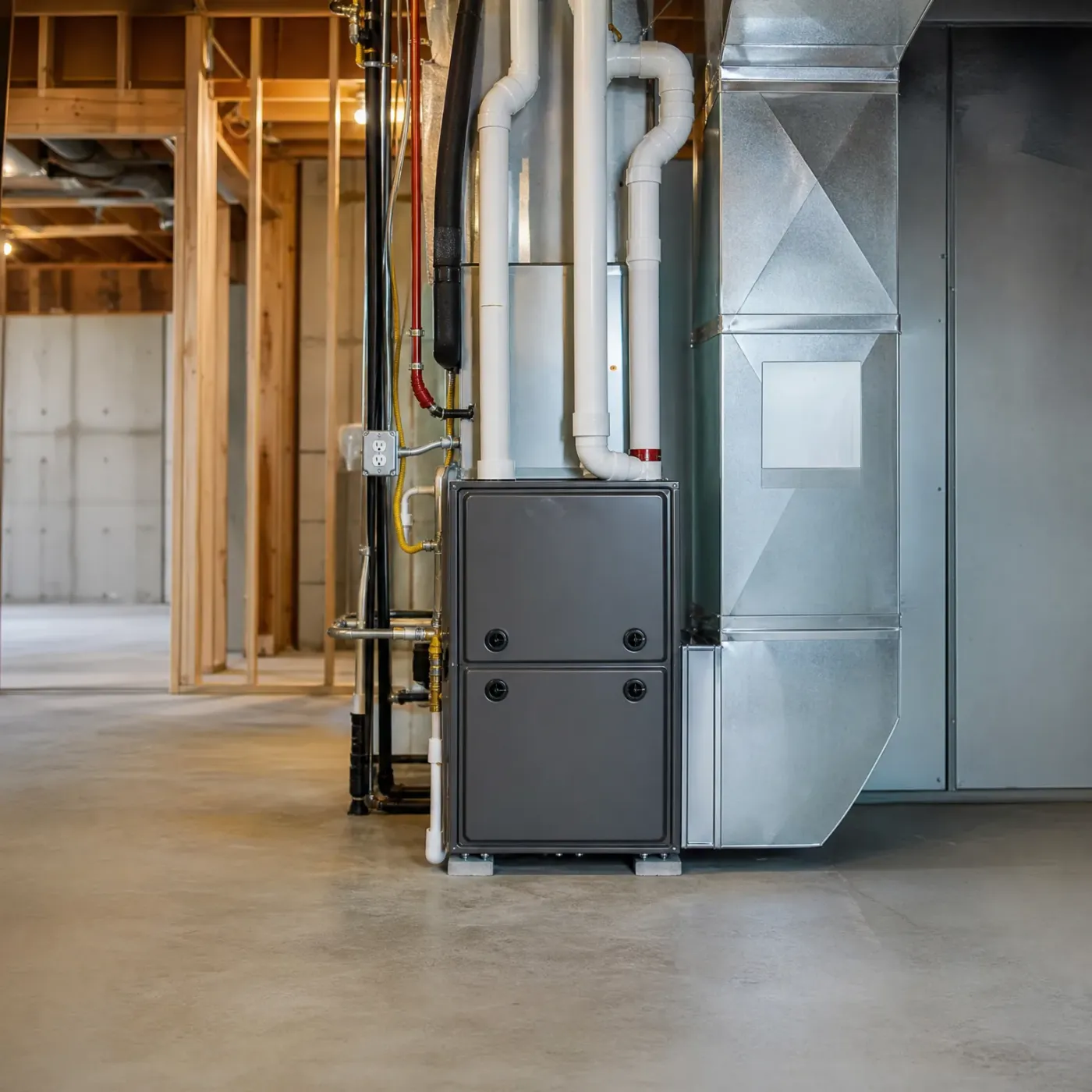
The pilot holds steady, the burners fire on the first try, and the flue draws the exhaust straight up and out. A furnace in this shape keeps the house even through a January cold snap without you thinking about it twice.
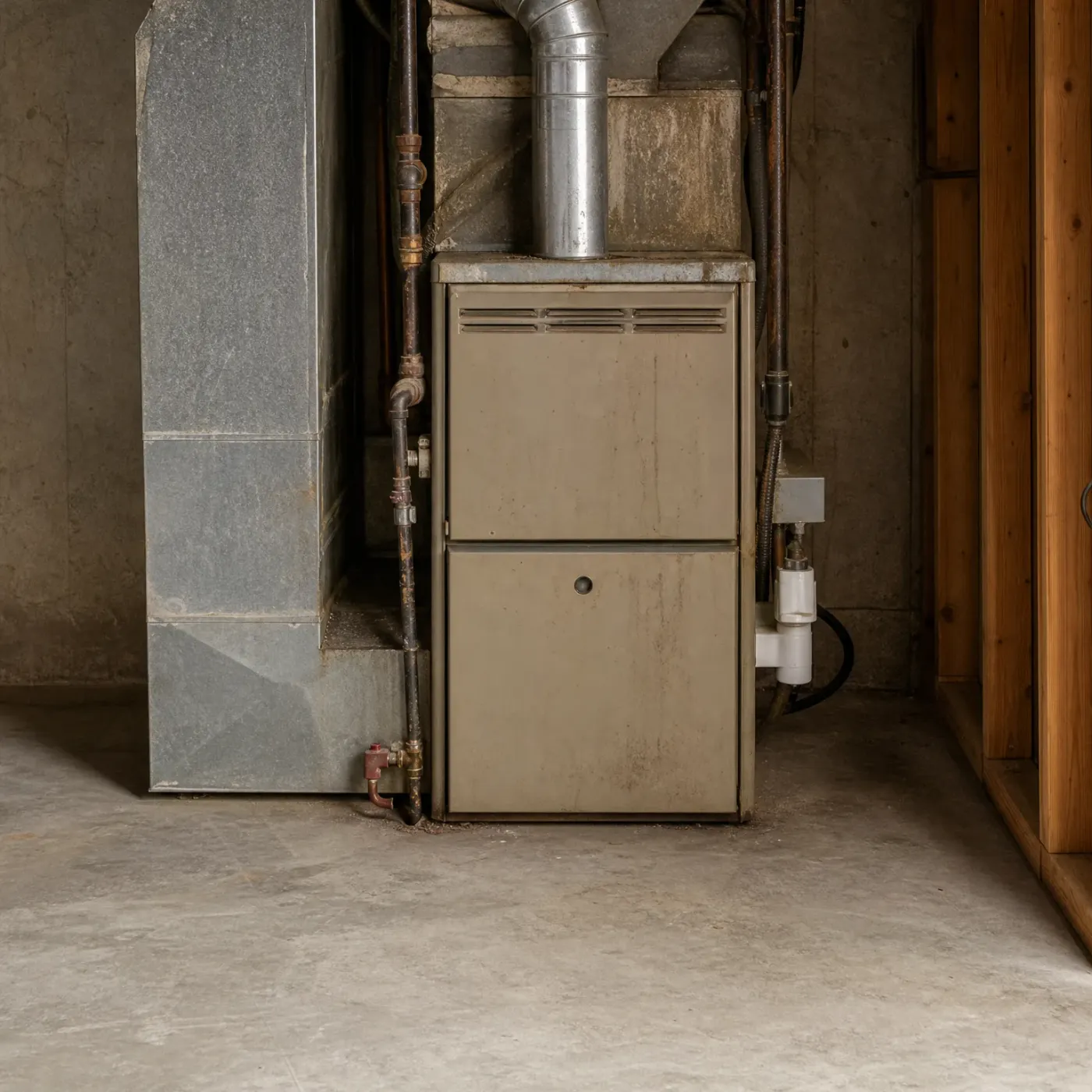
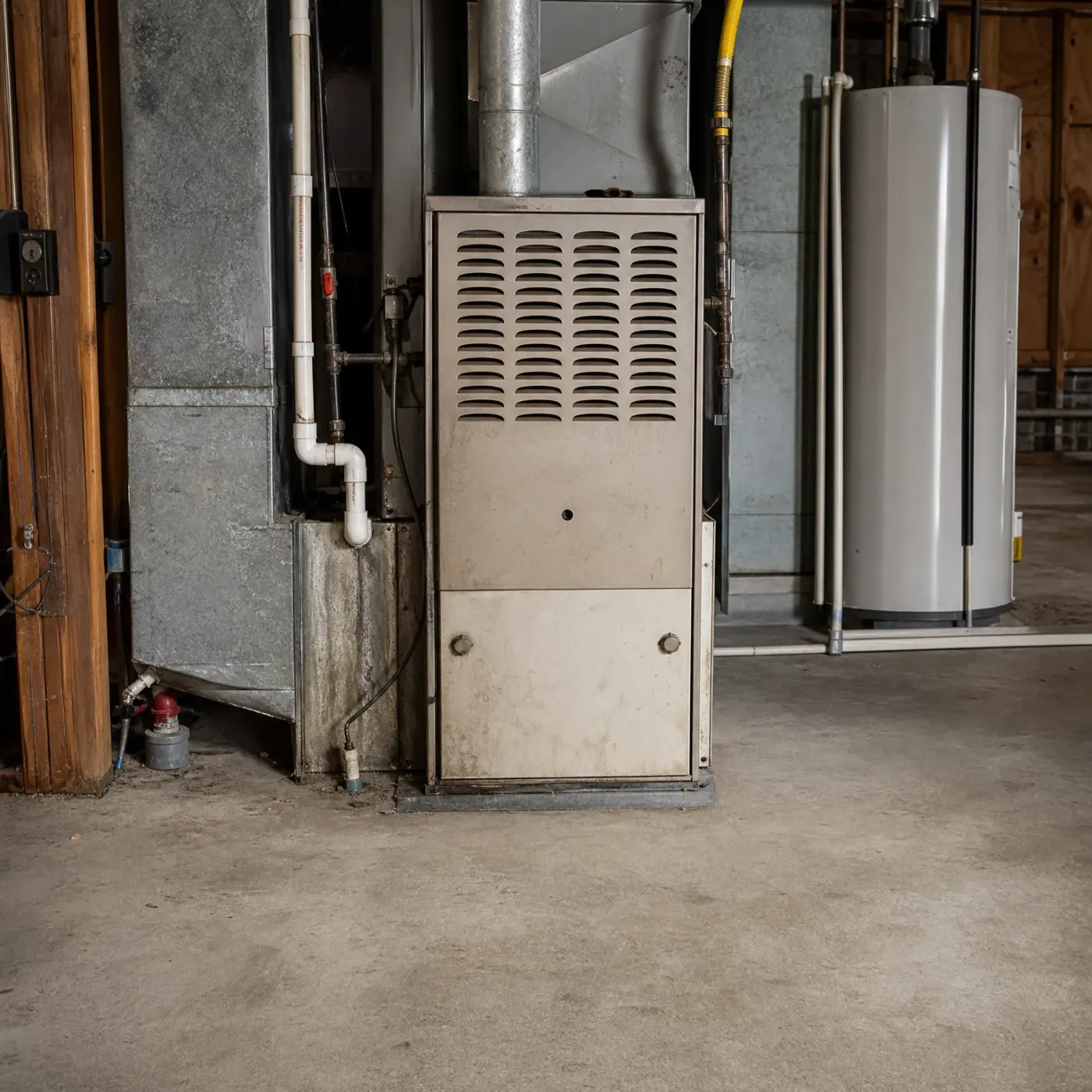
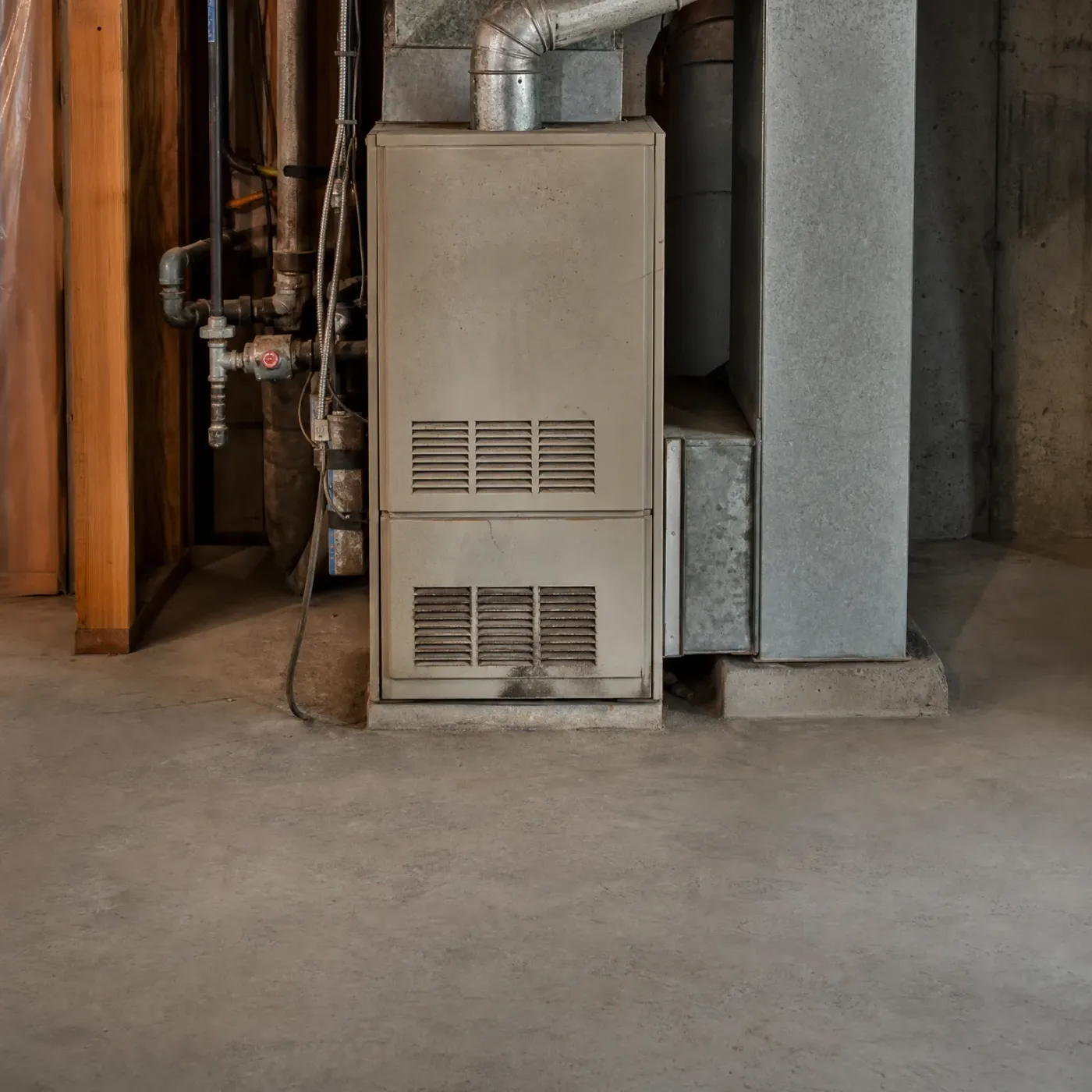
Soot rings the access panels, the flue shows its age, and the pilot won't hold through the night. This is what a worn thermocouple or a gas valve starting to fail looks like after years of running the same pilot flame.
Those 15°F nights mean your furnace is cycling on and off for hours on end, and every cycle depends on that pilot catching again. A thermocouple that's already struggling has more chances to fail when the burner is firing all night instead of a few times a day.
NOAA nClimDiv 1991-2020 county normals weighted by homes
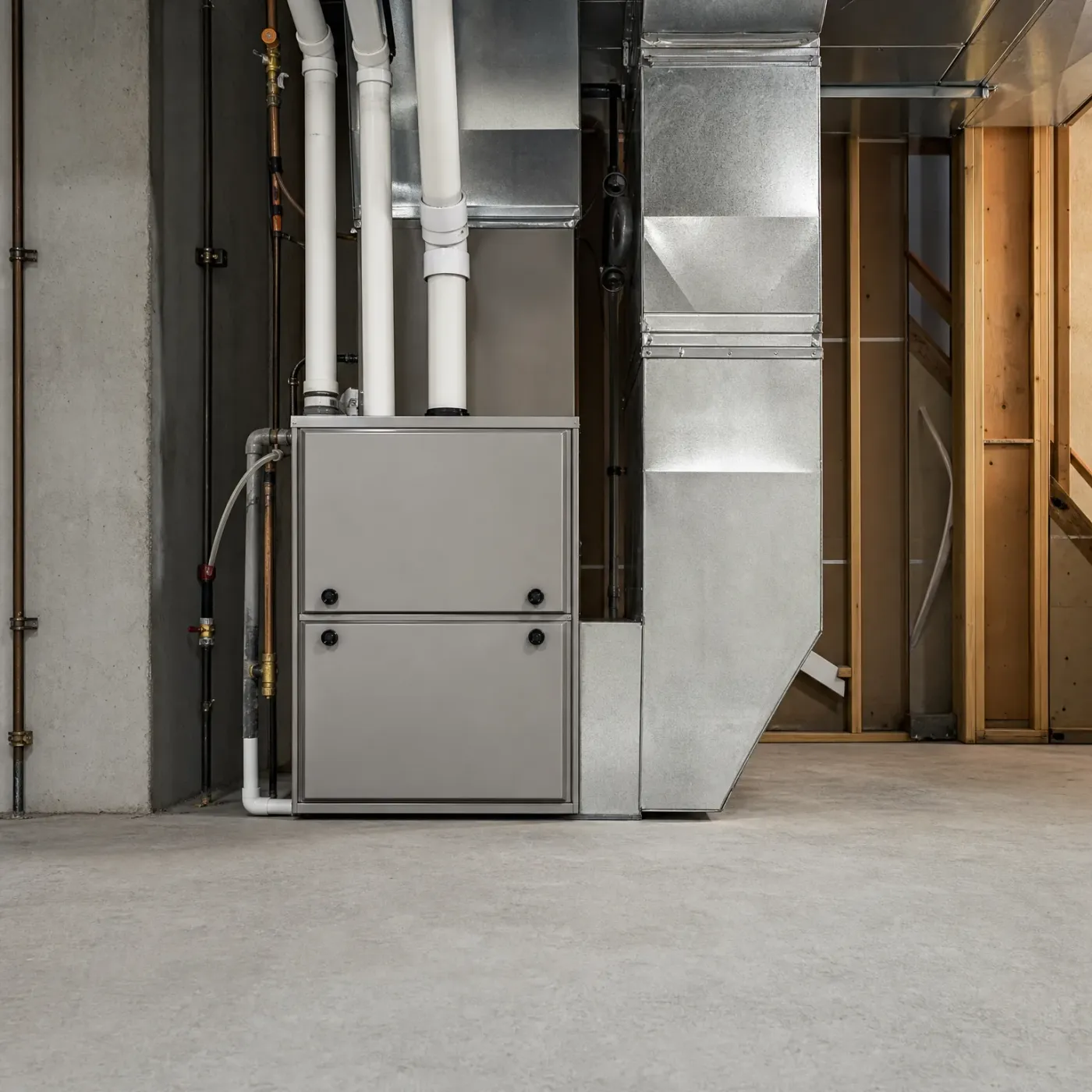
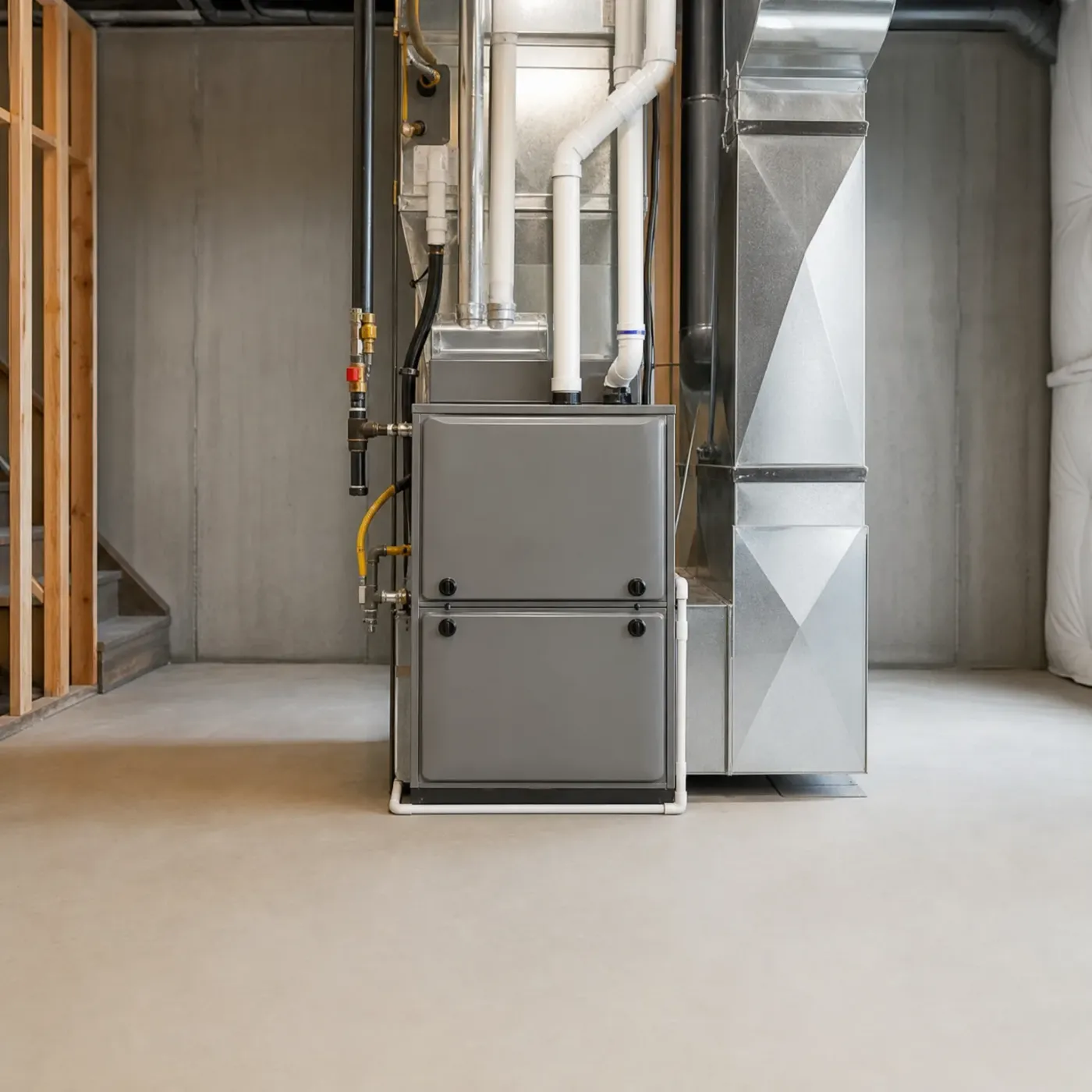
The flame sits steady on the thermocouple tip, the burners light on the first try, and the exhaust draws straight up through the PVC without any delay. A furnace like this carries a cold New Hampshire night without a single callback.
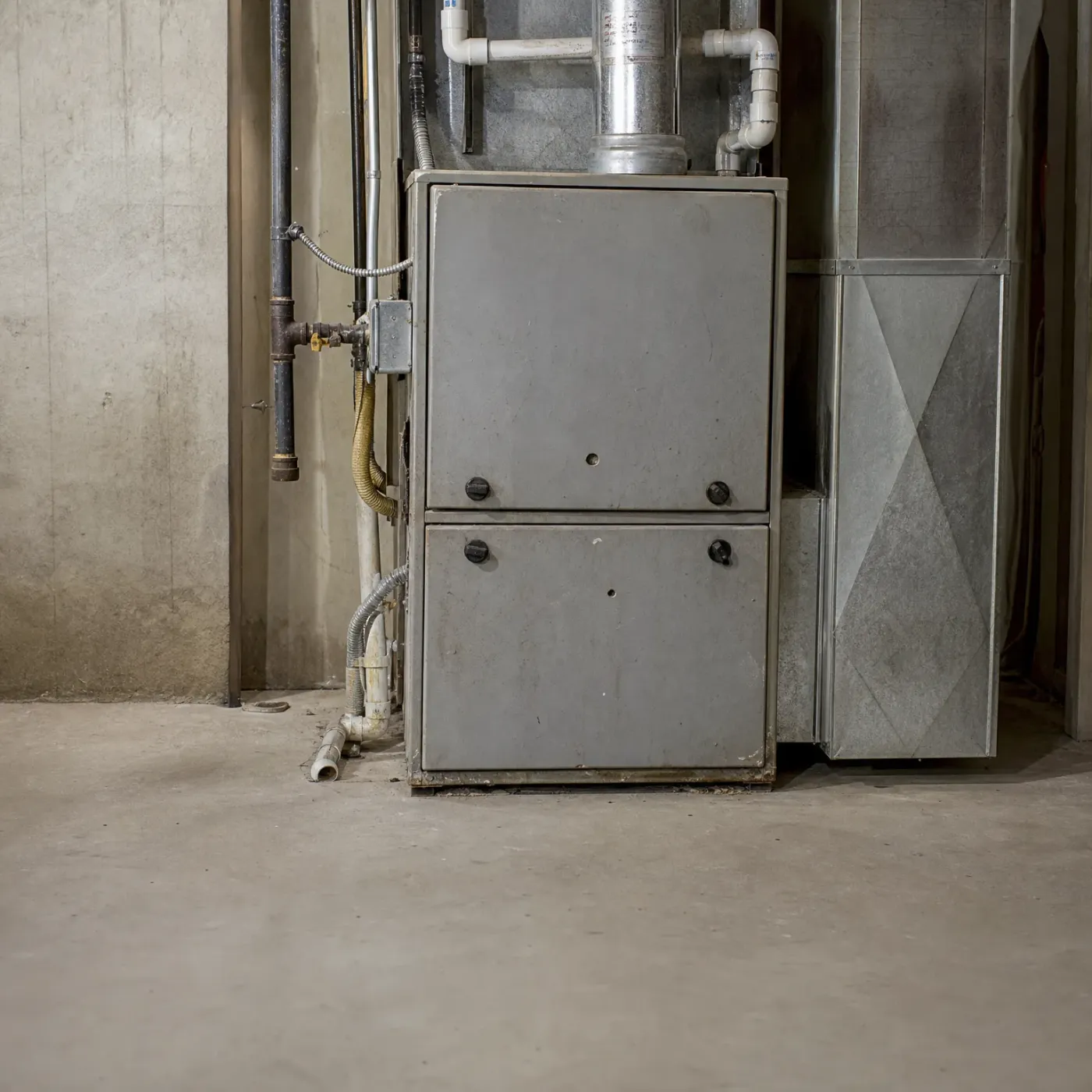
Behind those access panels, soot on the thermocouple or a draft slipping past the burner keeps breaking the signal the gas valve needs. Each relight is the furnace telling you something inside has already started to fail.


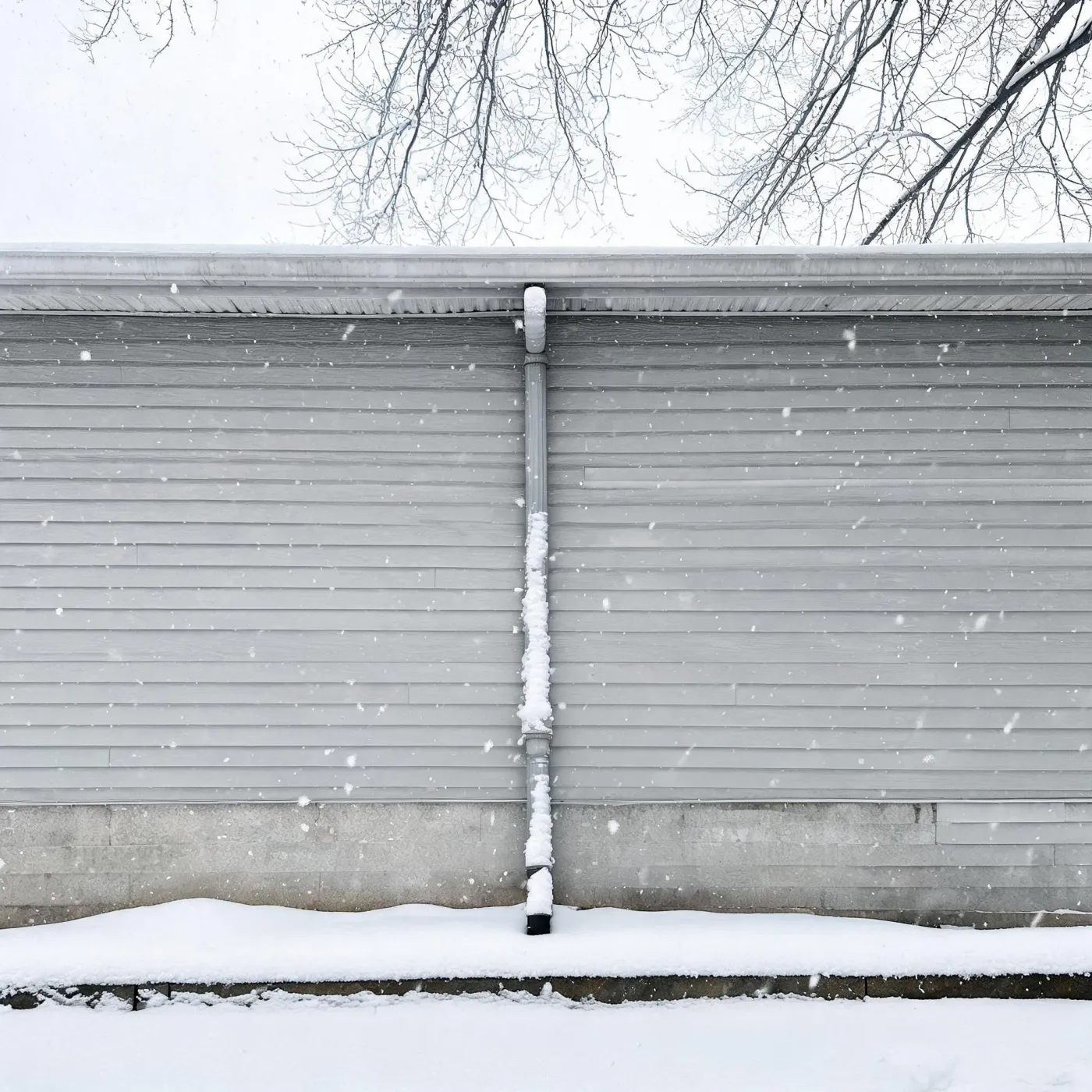
New Hampshire winter nights average 15°F across the state, according to NOAA climate data. A furnace running through nights that cold is firing on and off most of the night, not just a few times before bed. Each restart asks the pilot to catch and hold again, and a thermocouple that's already soot covered or slightly out of place has more chances to fail somewhere around 2 or 3 in the morning than it would on a milder night. That's when people notice: the house is colder than it should be at breakfast, and the furnace needs a relight before it'll run at all.
NOAA nClimDiv 1991-2020 county normals weighted by homes

Most of the time, a pilot that keeps going out means the thermocouple has gone bad, drifted out of the flame, or picked up a coat of soot. That's the first thing a technician will check, and fixing or replacing it is usually enough to get the furnace holding steady again. If it keeps happening after that, the gas valve is the next thing worth a look.
You don't need to find out which it is yourself. A local technician who works on these furnaces all winter can look at the thermocouple, the flame, and the valve in one visit and tell you straight what's failing, instead of you calling around to different companies, telling each one the same story, and trying to guess which quote to trust. One call gets you one contractor who knows this equipment, not a string of callbacks to sort through.

Describe it once