Tell us about the job
Takes about a minute. No obligation.
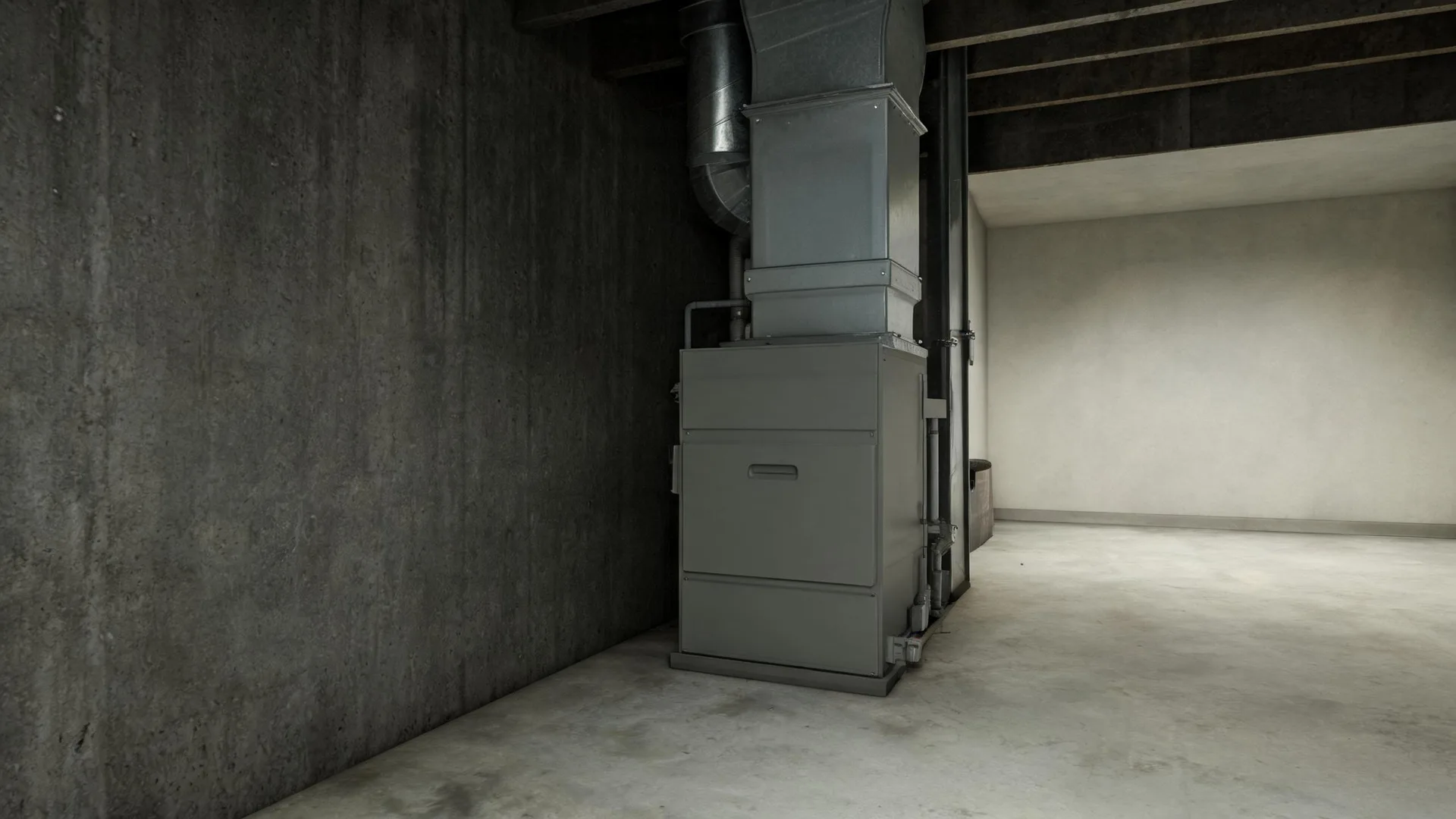
Furnace repair in Coos County starts with the parts that cycle hardest: the burner, the heat exchanger, and the ignition system. Homes in Coos County, NH run heat about ten months a year, from September through June. A furnace that fires that consistently builds wear on those components in a way that a mild-climate system rarely does, and by the time a homeowner calls for a repair, the igniter or heat exchanger has already logged a long history of thermal stress. A contractor quoting a repair here checks those parts before anything else, because that is where the failure almost always lives.
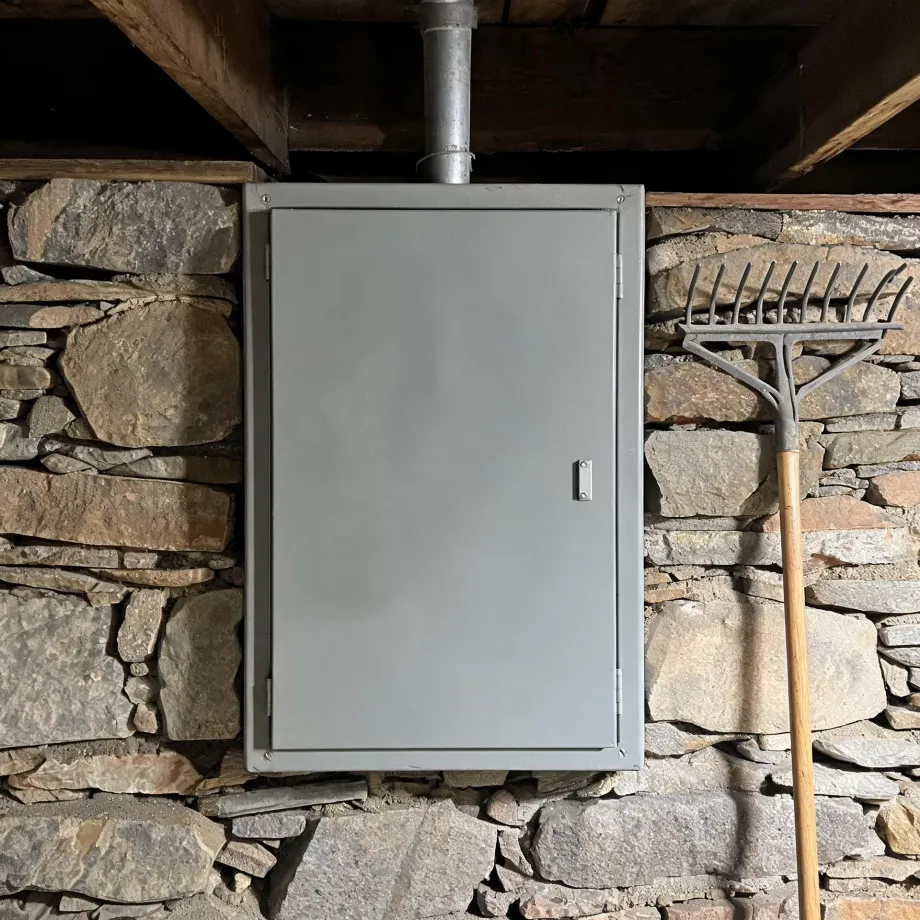
Ductwork and flue runs in a house of this vintage were built around equipment that has long since been replaced, sometimes more than once, and each swap leaves traces a contractor has to account for before the repair scope is clear. Half the homes in Coos County, New Hampshire were built in 1969 or earlier (2020-2024 ACS 5-year). That age of housing stock means the furnace a contractor opens today is rarely the original one, and the parts it takes may sit in a gray zone: still listed by the manufacturer, still nominally available, but stocked in numbers thin enough that a repair requiring two or three of them can stall a job mid-work.
The Parts of a Furnace a Contractor Checks First
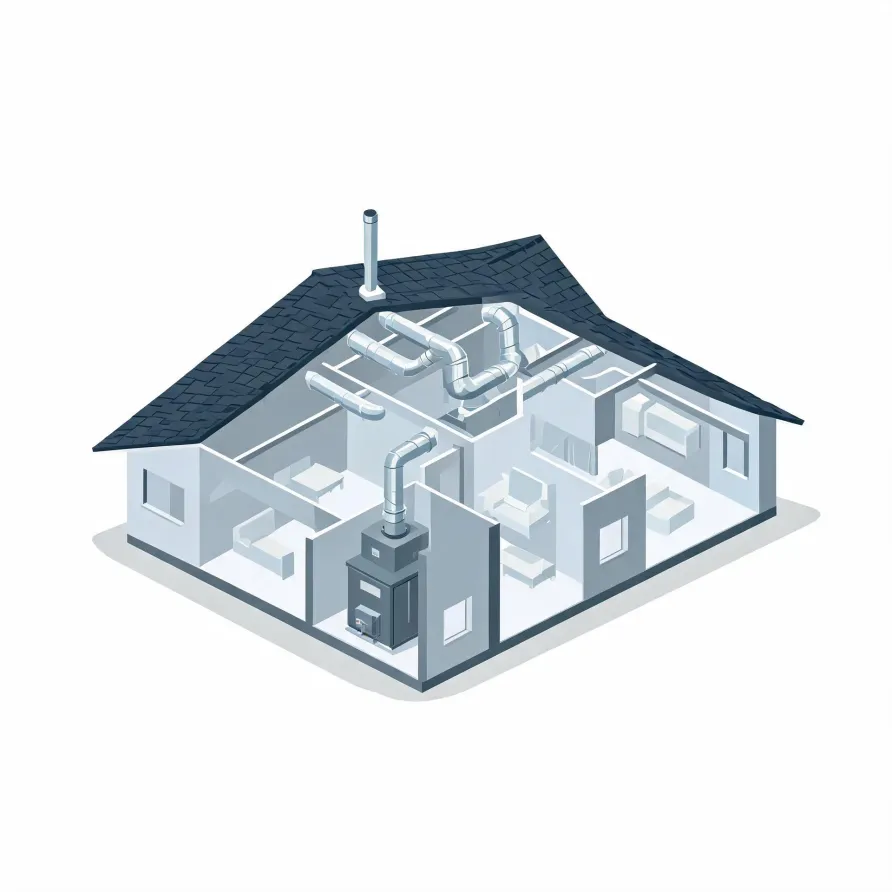
The furnace itself sits in a utility space, basement, or closet and is the piece a contractor goes to first. Inside it, the heat exchanger and burner assembly are the parts most likely to be behind a heating failure. A cracked heat exchanger or a burner that will not light stops the whole system.
The blower motor pushes conditioned air out through the house and draws return air back in. Alongside it, the flue or vent pipe carries combustion gases out of the building, and the igniter and flame sensor work together to start and confirm a flame. Any of these can be the reason heat stops reaching the rooms.
The drawing shows a typical furnace layout, and a licensed contractor determines which components apply and what condition they are in for your specific home.
Find a contractor in Coos CountyCoos County, by the record
184 severe weather events were recorded in Coos County, New Hampshire between 2015 and 2024.
NOAA National Centers for Environmental Information, Storm Events Database, bulk CSV export, events 2015-01-01 through 2024-12-31.Half the homes in Coos County, New Hampshire were built in 1969 or earlier (2020-2024 ACS 5-year).
U.S. Census Bureau, 2020-2024 American Community Survey 5-Year EstimatesCoos County, New Hampshire holds 20,637 housing units (2020-2024 ACS 5-year).
U.S. Census Bureau, 2020-2024 American Community Survey 5-Year EstimatesOwners occupy 74.2% of the occupied homes in Coos County, New Hampshire (2020-2024 ACS 5-year).
U.S. Census Bureau, 2020-2024 American Community Survey 5-Year EstimatesCodes & Licensing Rules for Furnace Repair in Coos County, New Hampshire6 sourced rules and standards
What happens when a contractor comes out to your home
Non-weatherized gas furnaces manufactured on or after November 19, 2015 must reach 80.0 percent AFUE.
Non-weatherized oil-fired furnaces manufactured on or after November 19, 2015 must reach 83.0 percent AFUE.
Mobile home gas furnaces manufactured on or after November 19, 2015 must reach 80.0 percent AFUE.
Non-weatherized gas furnaces manufactured on or after December 18, 2028 must reach 95.0 percent AFUE, up from the 80.0 percent minimum that applies to units manufactured before that date.
Licensing and Legal Requirements in Coos County, New Hampshire
New Hampshire's mechanical licensing board issues nine credentials — hearth system, four fuel gas endorsements, domestic appliance technician, and master, journeyman and apprentice plumber — and a licensee may not work outside the specialty their licence names. None of the nine is an HVAC licence.
New Hampshire does not license HVAC as a trade, and says so where it matters: the plumbing licence expressly does not reach a person installing heating, cooling, air conditioning or domestic water heating systems, whether solar, oil, gas or electric. The gas piping on a gas-fired system is a separate matter and needs a fuel gas fitter licence.
Severe Weather Events in Coos County
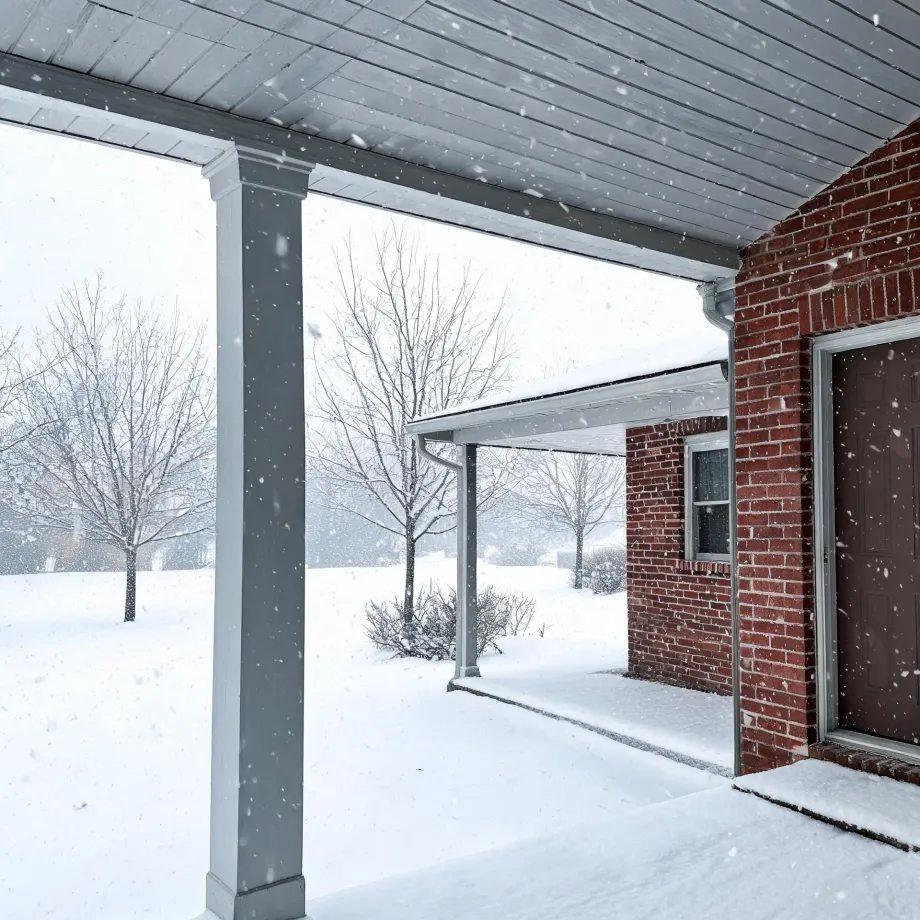
Heating equipment in New Hampshire works hardest when the weather is at its worst. How often Coos County sees severe weather is a real factor in how hard a furnace gets pushed and how quickly wear accumulates.
184 severe weather events, 2015–2024. Source: NOAA National Centers for Environmental Information, Storm Events Database.