15 to 20 years
That's the stretch most New Hampshire furnaces give before something major fails. If yours is near that mark, a repair bill is a sign to start asking about replacement instead.
Matched to your furnace job
Most New Hampshire furnaces run 15 to 20 years, but oil heat and the cost of power here change the math on when replacing makes more sense than another repair. This page gets into what wears a furnace down over a long heating season and what to check before deciding. When you're ready, you can get matched with a contractor who'll look at your specific setup and reach out.
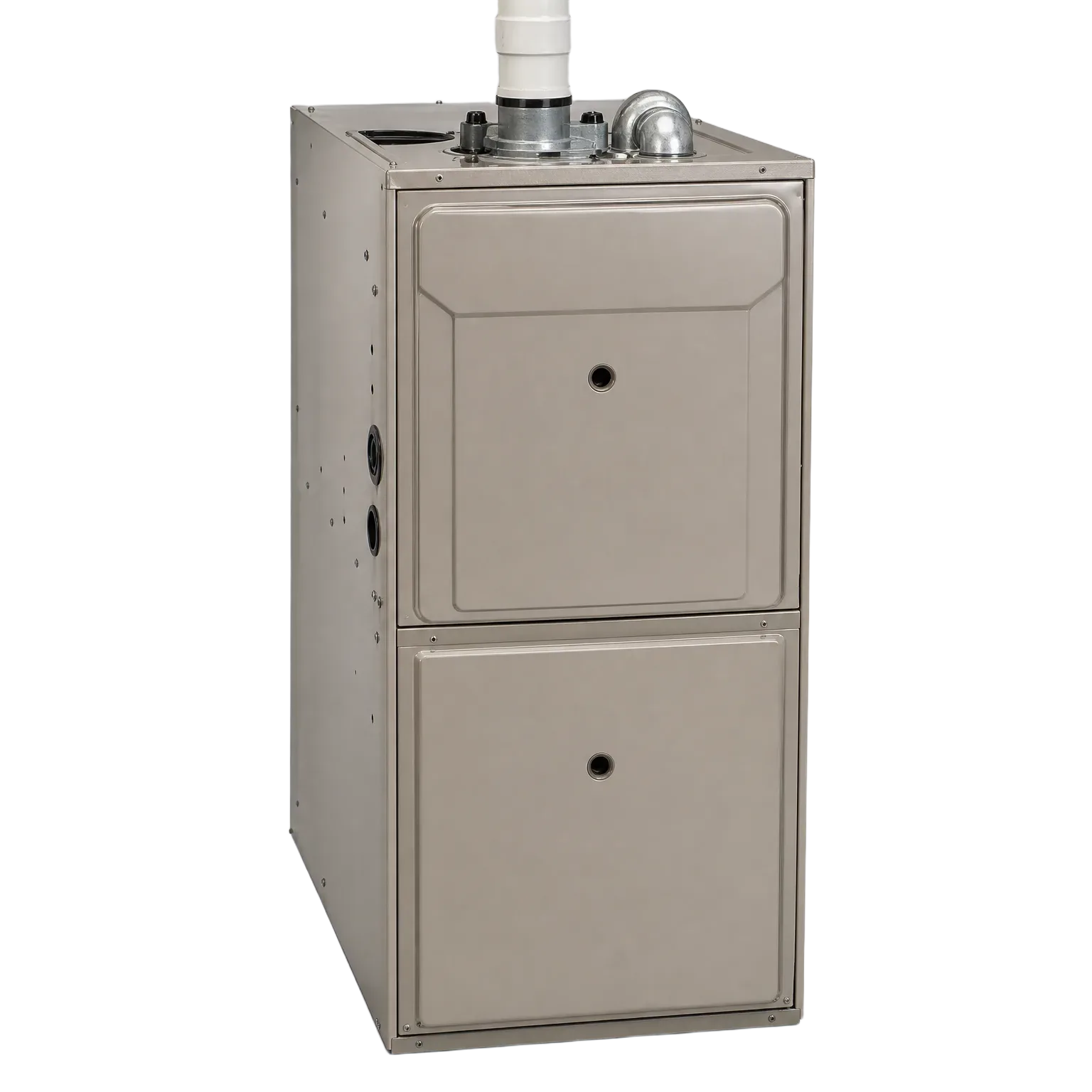
Request a proA furnace in New Hampshire typically lasts 15 to 20 years. Most homes here heat with oil, and an oil furnace works harder over a long winter than a gas one, since it runs for months straight to keep up with the cold. That steady demand wears on the heat exchanger and the burner components faster than milder climates would. By year 15, a lot of furnaces start needing more frequent repairs, and each one costs more as parts get harder to source for an older unit. Since electricity here is expensive, a furnace losing efficiency with age also shows up more on the power bill, even with oil as the primary fuel, because the blower motor still runs on electric. If your furnace came with the house and you're not sure of its age, check the data plate inside the access panel. Knowing where it stands in that 15 to 20 year range tells you whether the next repair is worth making.




That's the stretch most New Hampshire furnaces give before something major fails. If yours is near that mark, a repair bill is a sign to start asking about replacement instead.
An oil furnace fires for months straight through a New Hampshire winter. That steady run time is what shortens its life compared to a furnace that only cycles on and off.
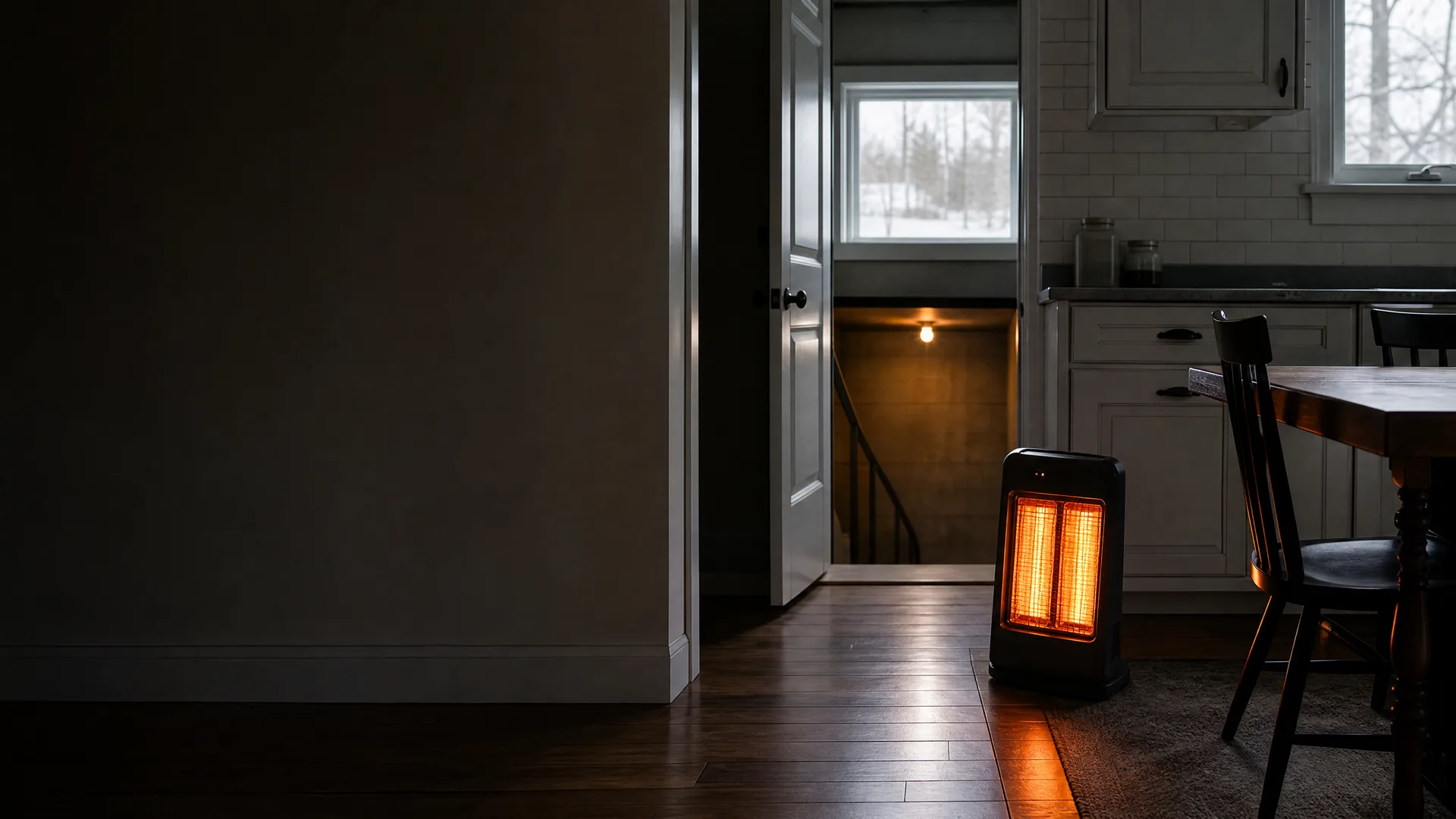
The space heater has been running since five, when the basement went quiet instead of ticking on like it should. Down there the oil furnace sits cold, and you've left the basement door open so some of the kitchen's warmth drifts down to keep the pipes from worrying you. Outside it's still dark, the kind of late-winter morning where the cold sits heavy until the sun's been up an hour. You're at the table with coffee, coat still on, waiting on a callback. The space heater's glow is the only orange light in the room. You keep thinking about the oil bill from January and what another one on top of a new furnace would mean, and you want someone who can tell you straight whether this one's worth saving.
Send the form and the search for an installer is over.
You only hire the pro if you want to.
A furnace that gets its yearly oil service and a nozzle change tends to make it the full 20 years, since the burner stays clean and the heat exchanger isn't fighting soot buildup all winter.
Skip a season or two of service and the same furnace can start failing closer to 12 or 13 years in, with the exchanger taking the damage before you see any sign of it upstairs.
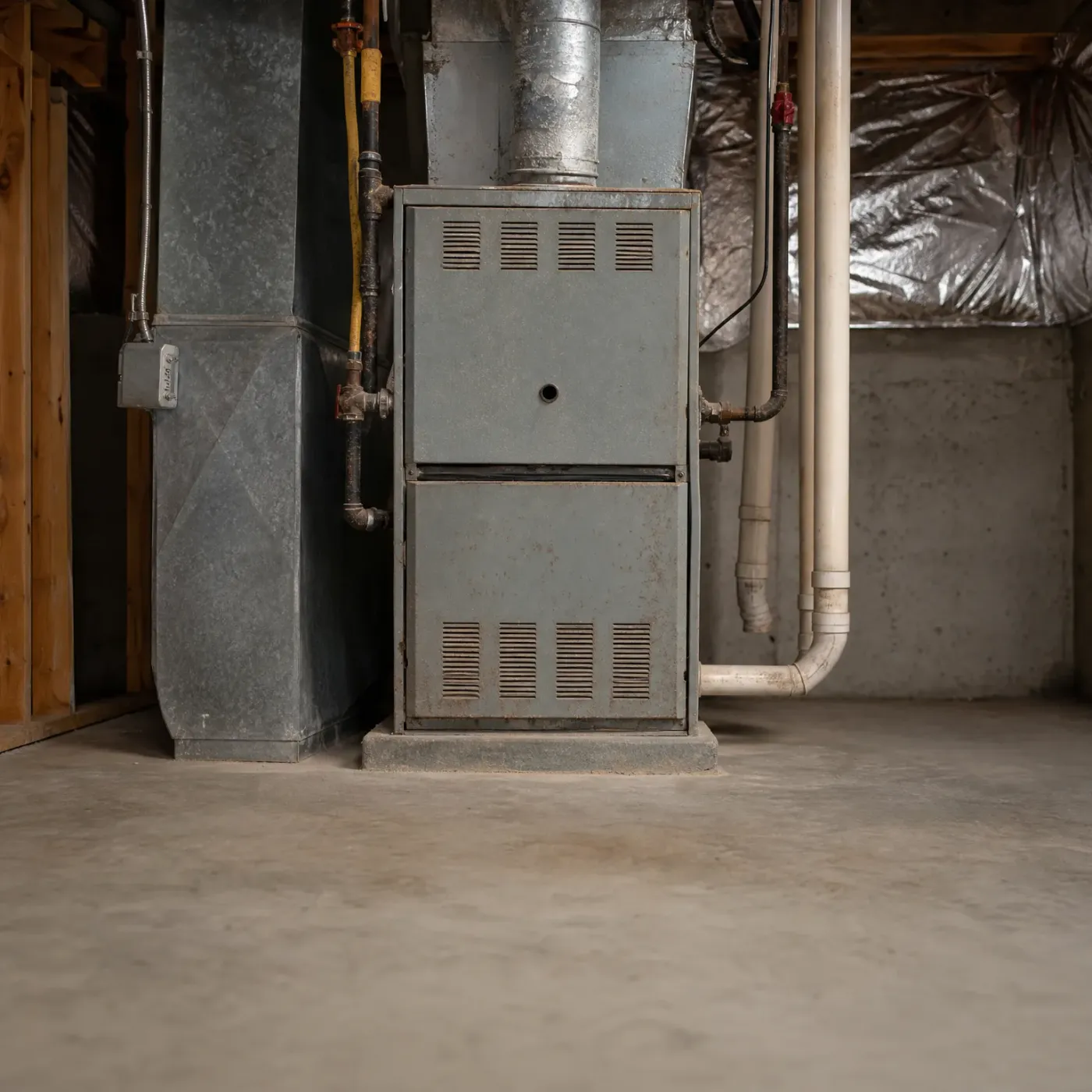
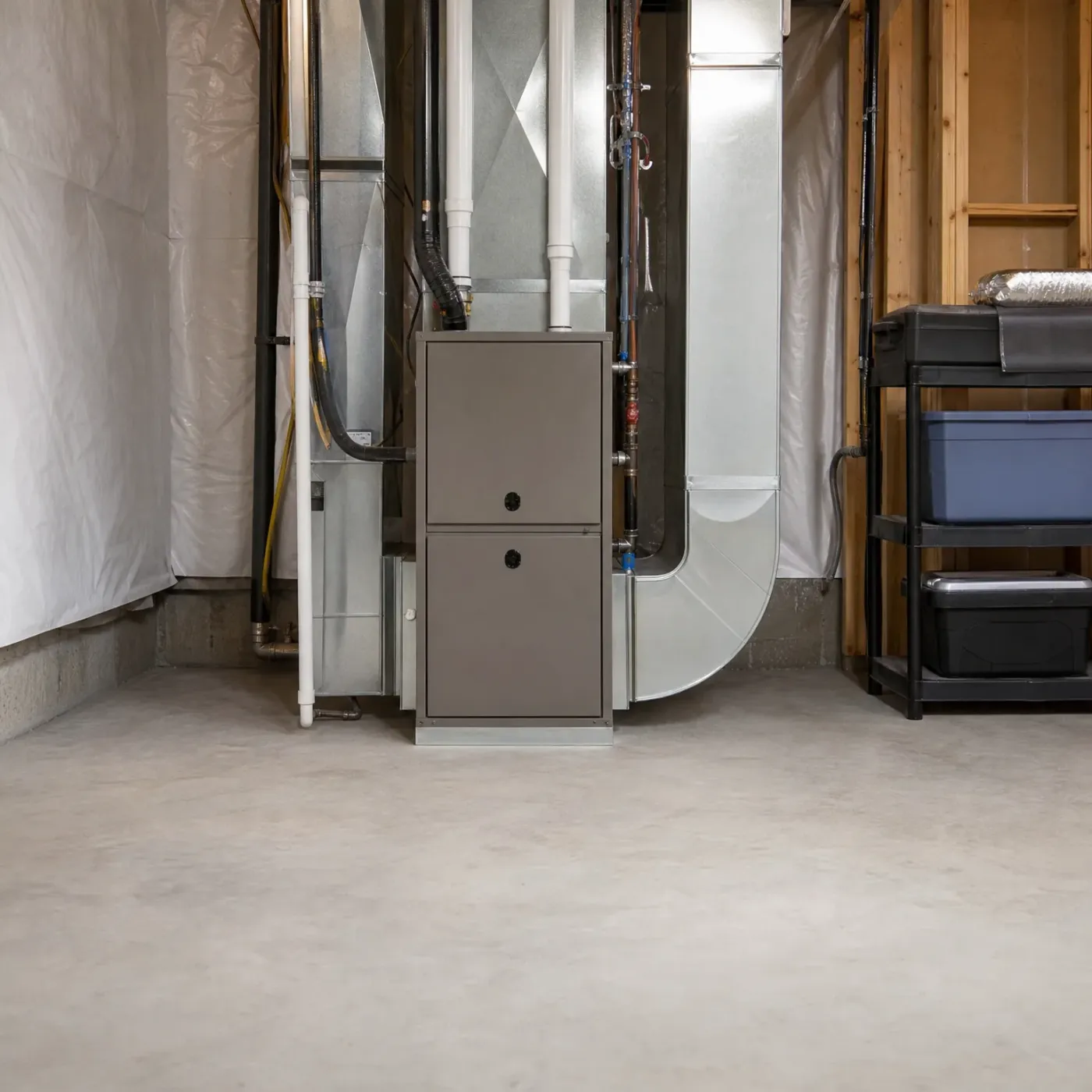
An oil furnace starts differently than a gas one. There's no standing pilot. A ceramic igniter sets off a jet of fuel, and if that igniter fails, the furnace won't fire at all. The oil itself passes through a nozzle that sprays it into the combustion chamber as a fine mist, and that nozzle collects soot faster than almost anything else in the system. Behind the burner sits a cad cell sensor, watching for flame. If it doesn't see one, it shuts the furnace down, even with a full tank of oil. That heat gets carried into your ductwork by a heat exchanger, which keeps combustion byproducts separate from the air you breathe. Soot buildup is what cracks that exchanger early. Oil burns dirtier than gas, so the flue and chimney need checking for blockage in a way a gas system never would. And the blower pushing that air through your home often runs longer stretches in an oil furnace, especially during a hard cold snap.


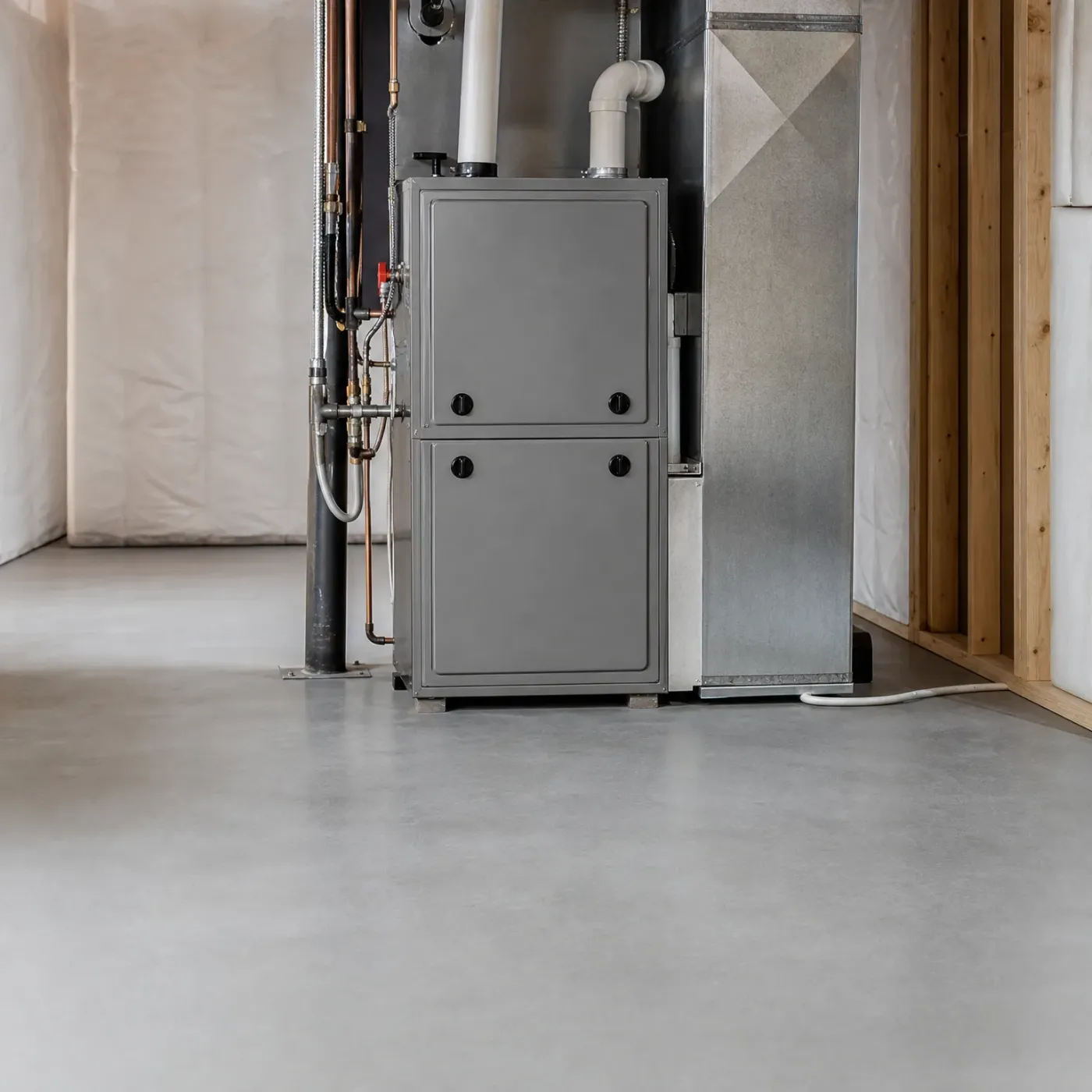
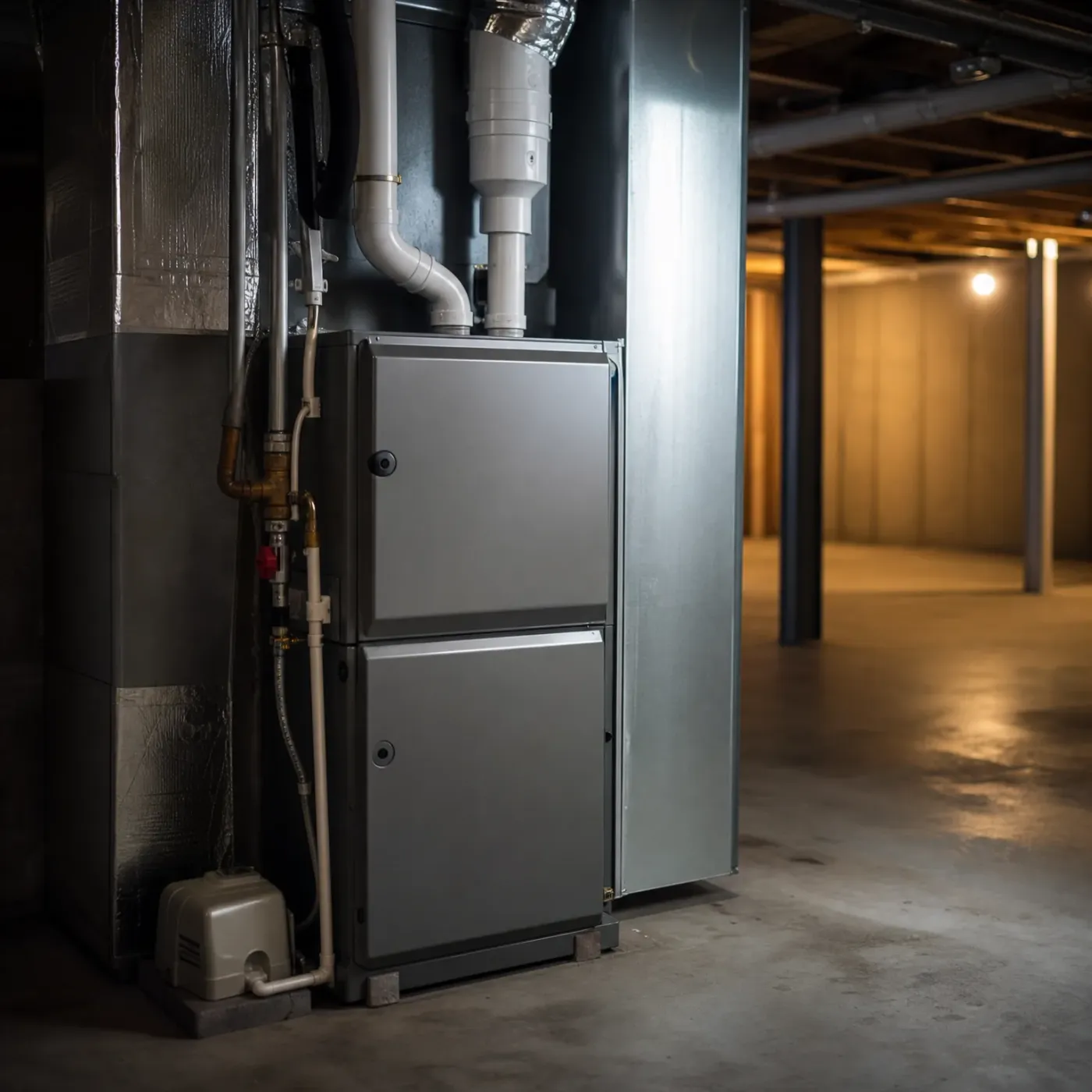
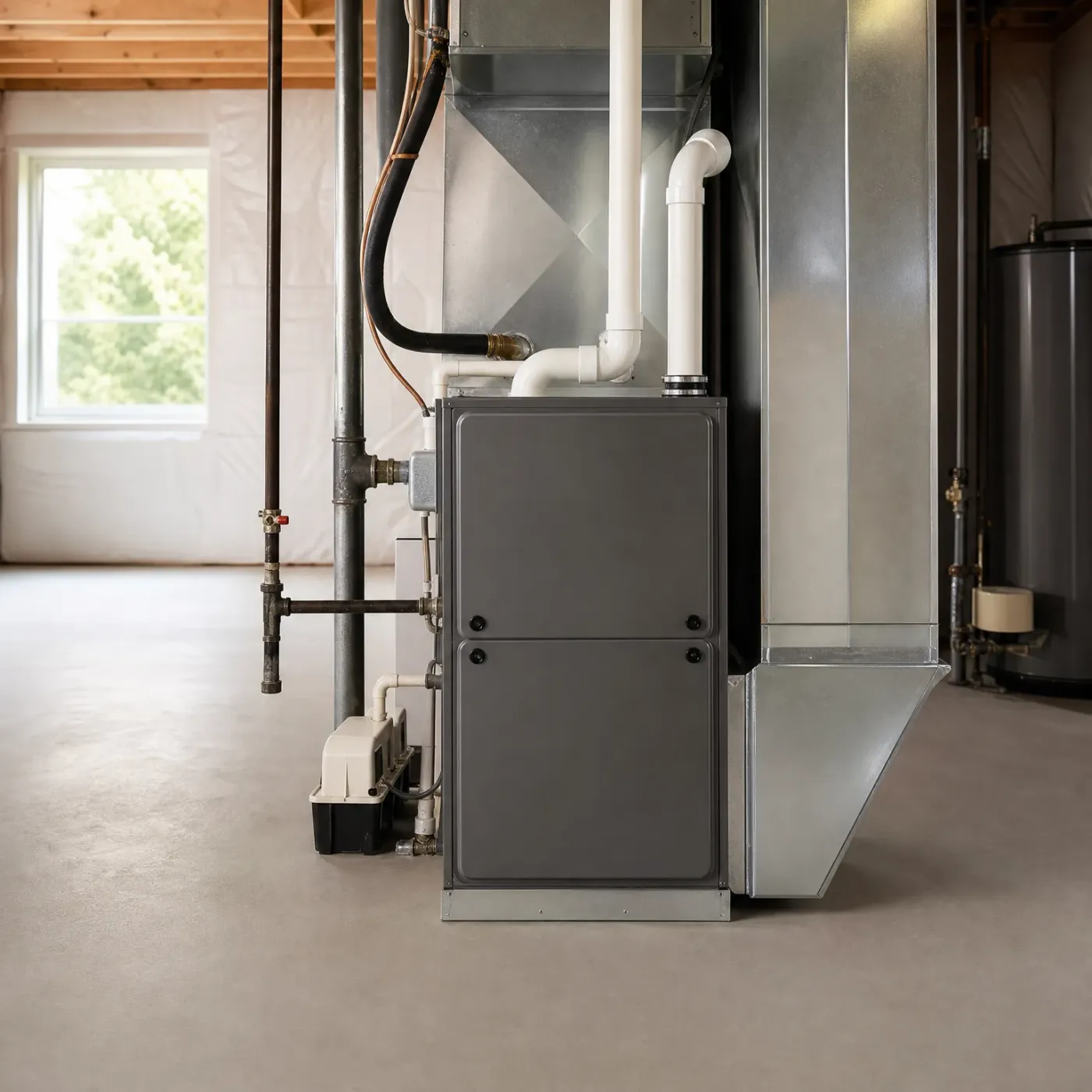
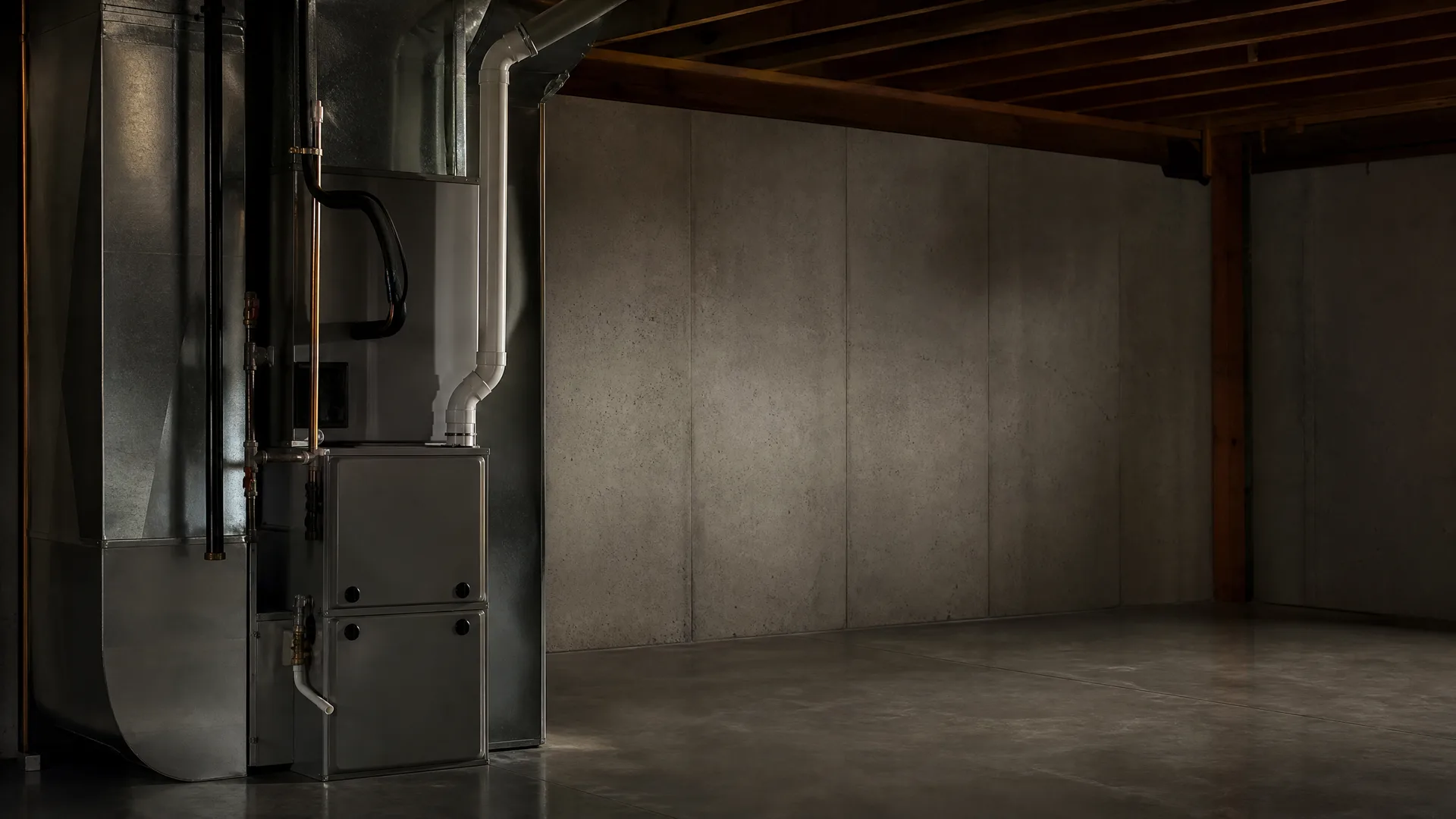
The ductwork sits tight overhead, the gas lines run clean along the wall, and the burner fires without soot building anywhere near the cabinet. A furnace like this has had its yearly oil service and nozzle change, and it shows.
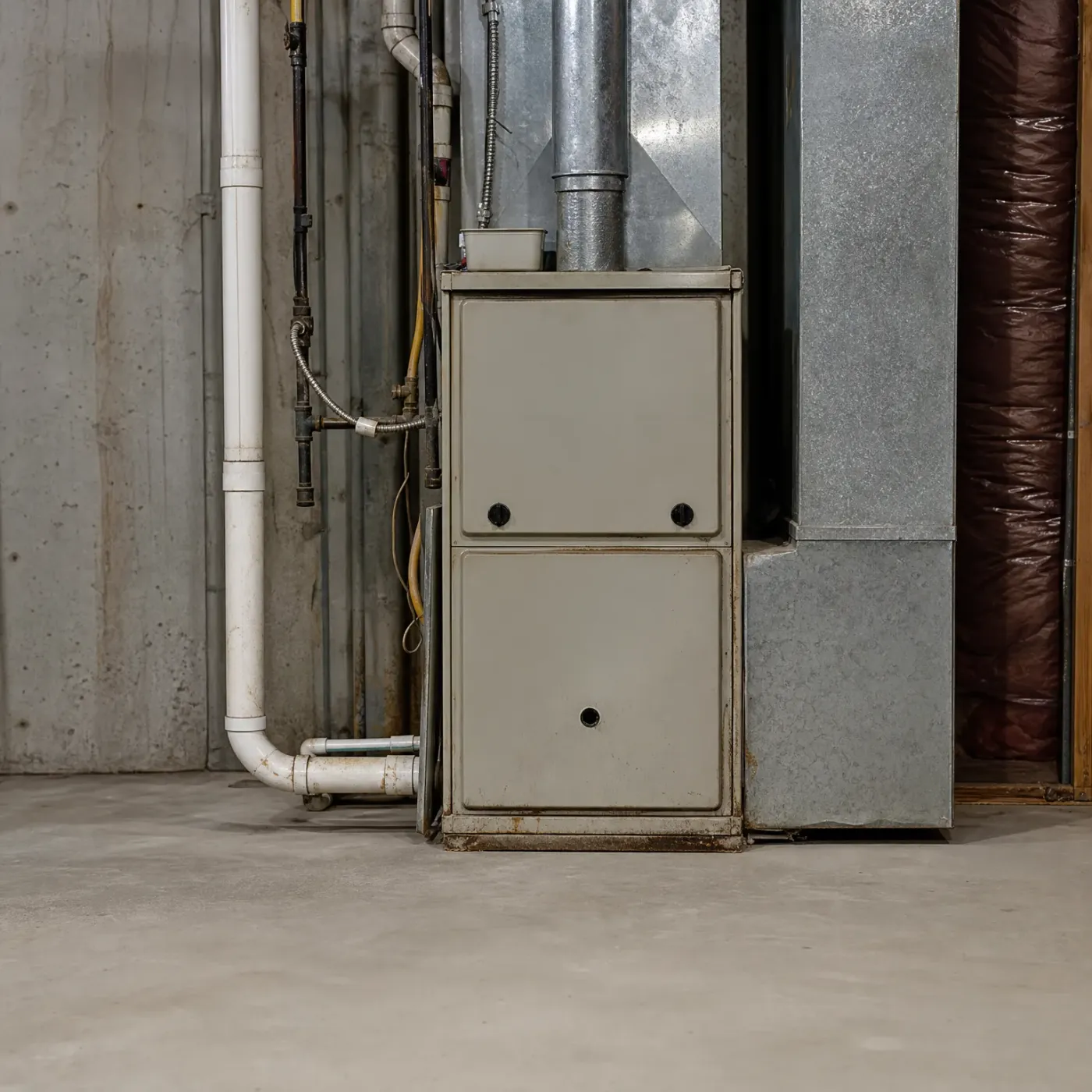
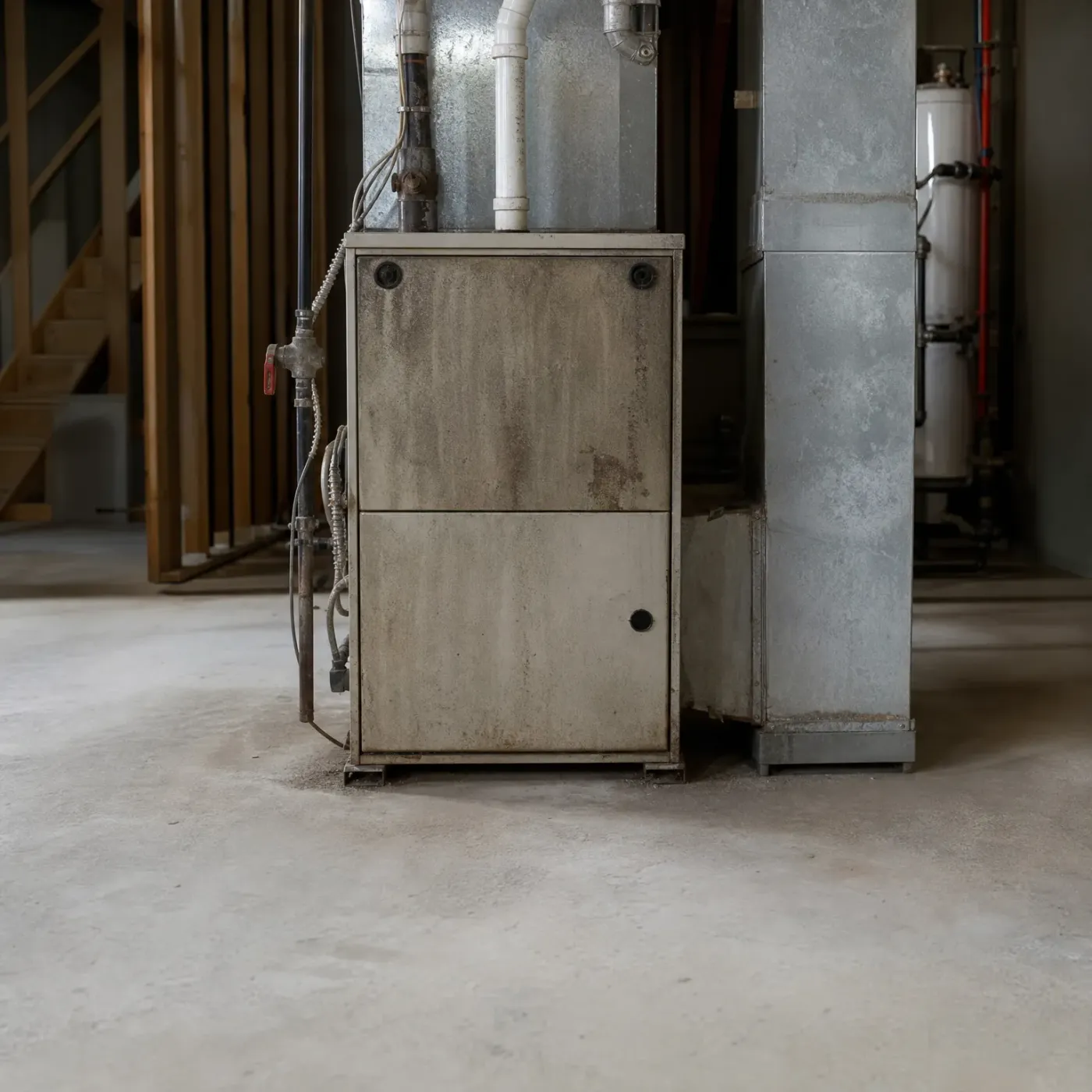
Rust has worked into the cabinet and the flue pipe shows its age. A furnace that looks like this has likely missed a service or two, and the heat exchanger underneath has been fighting soot it shouldn't have to.
A 15°F night is a long, steady burn, not a few hard hours. Your furnace holds that output most of December through February, and an oil furnace doing that for three months straight is exactly what wears the heat exchanger down early.
NOAA nClimDiv 1991-2020 county normals weighted by homes
Oil sprays as a fine mist through the nozzle into the chamber.
The igniter fires and lights the oil spray directly.
Flames heat the metal heat exchanger surrounding the chamber.
The blower motor pushes air across the hot heat exchanger.

A New Hampshire furnace runs 15 to 20 years when it gets its yearly oil service and a nozzle change on schedule. Skip that service and the same furnace can start failing well before that window closes. The heat exchanger and the nozzle are what decide which path yours is on, and by now you know what to check and what a cracked exchanger or a clogged nozzle looks like before it becomes a cold house in February.
If your furnace is already past that mark, or close to it, and you're facing a repair bill instead of another clean winter, the next step isn't figuring out who to call. Share a few details about your furnace and your house, and a contractor who works on oil systems in New Hampshire gets matched to your situation and reaches out to you. The looking stops being your job once that happens.

Send the form and stop researching installers for the new furnace.