Clean filter, steady draft
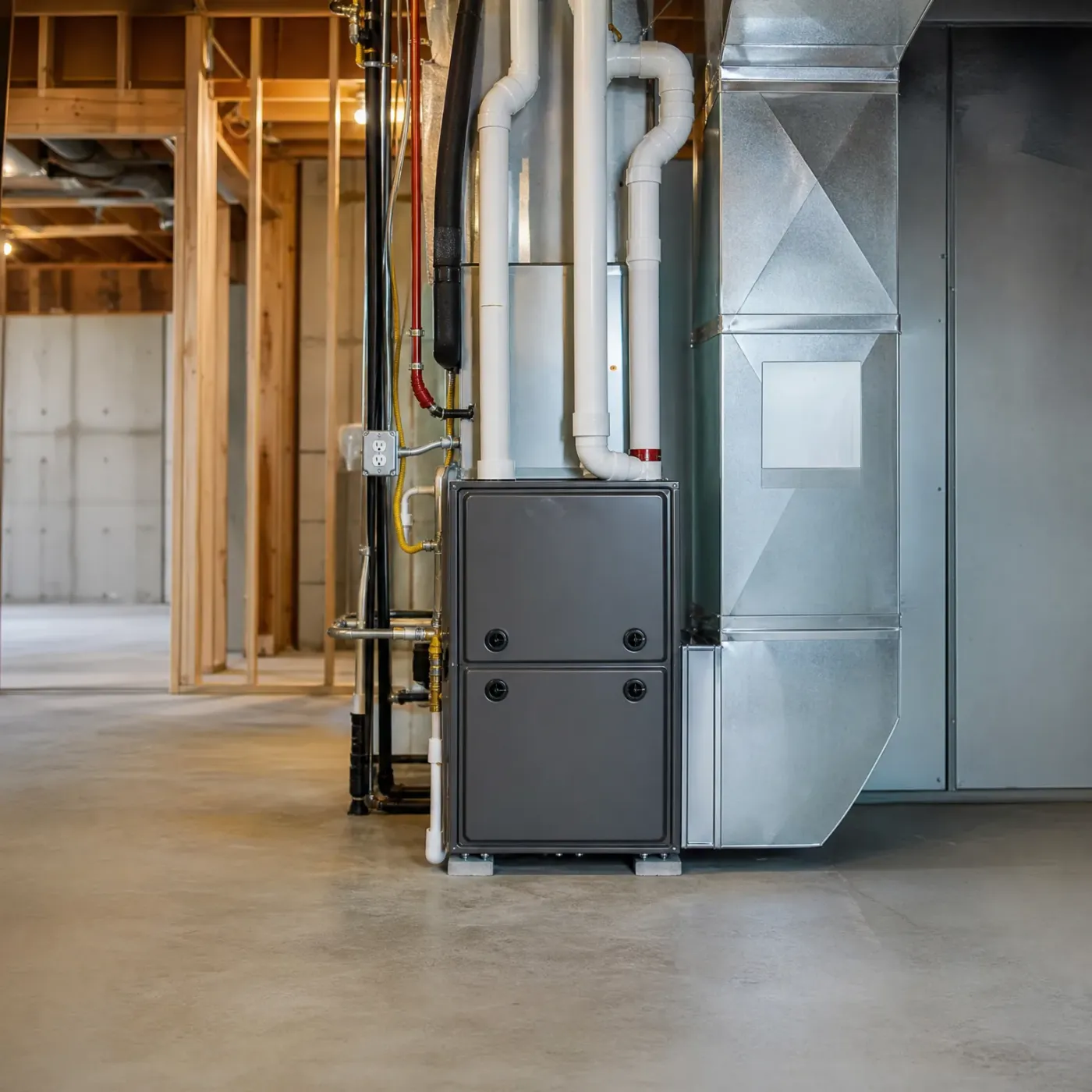
Air moves through this cabinet the way it was built to. The blower pulls steady, the burner fires clean, and the PVC flue carries exhaust out without the furnace straining to push air past a clogged filter first.
 Hand it off
Send the form and the furnace tune-up stops being something to remember.
A one-inch filter earns its keep for about a month when a furnace runs every day, so once a month is the safe check through a New Hampshire winter. Pull it and hold it to the light. If you can't see through it, it goes back in new.
Your furnace works harder than the filter shows you. Most homes here heat with oil, and an oil furnace pushes a lot of air through that filter over a long season. A filter left in too long chokes that airflow, and the furnace runs longer to put out the same heat. With power rates among the highest in the country, that's not a small thing. A clean filter is one of the few places you control what the furnace costs you to run.
Summers here are mild, nothing like the deep heat other states deal with, so if your furnace also runs the central air, the filter isn't working as hard June through August as it is in January. That's part of why the check matters more in winter than people expect. A furnace that only sees light summer use can hide a dirty filter longer. It won't hide it through a cold snap.
If the filter's been in longer than you can account for, or the furnace is short-cycling, running loud, or just not keeping up, that's worth a look from someone who services furnaces in New Hampshire winters and knows what a neglected filter does to an oil system specifically. Send the request through this page and the search is off your plate. One local contractor picks it up, not a handful of them competing for your callback, and whoever takes the job already knows this equipment and this climate before they walk in.
A one-inch furnace filter needs a look every month and most months it needs changing, since a thick filter can last two to three months but the thin standard kind rarely does. Oil heat runs long hours once the cold sets in here, and a furnace that runs long hours pulls air through that filter constantly, so dust builds up faster than it would somewhere milder. A dirty filter makes the blower work to pull air through it, and that shows up on a power bill that's already high in New Hampshire. It also means less heat reaches the rooms furthest from the furnace. Mark your calendar now, before the cold sets in, so you're not guessing in January whether it's been three weeks or three months since you checked.
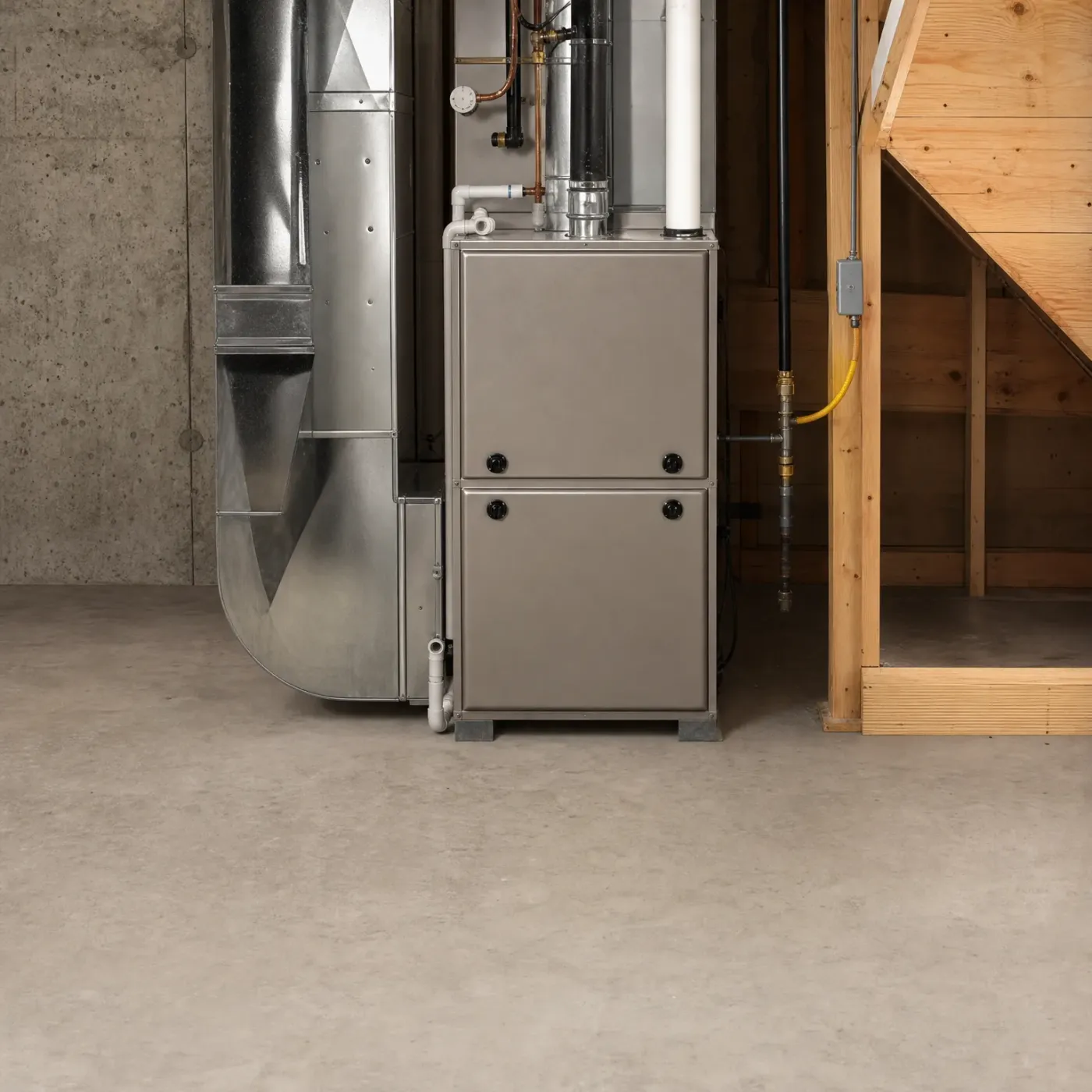
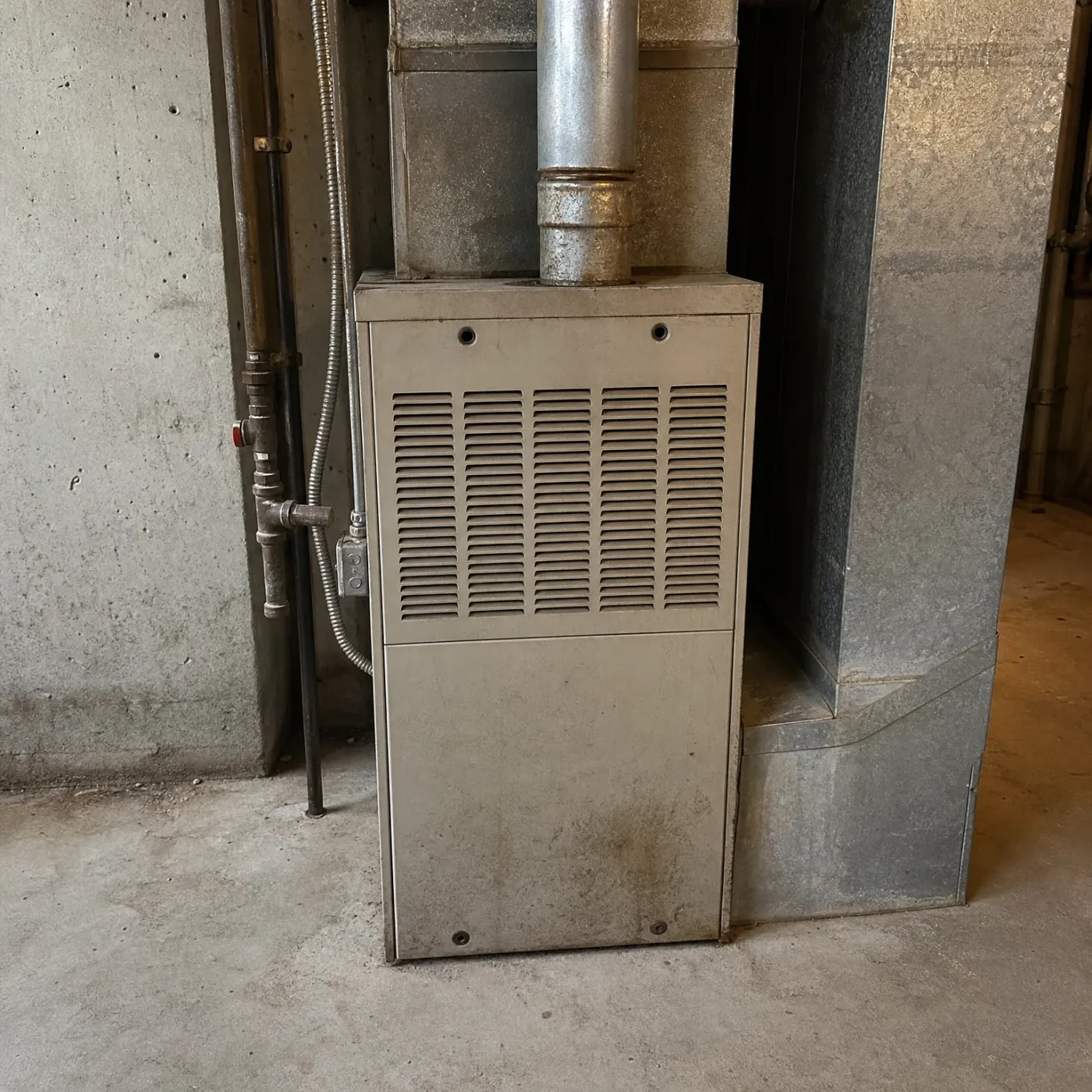
The blower pulls air through the filter on its way into the furnace, then circulates that same air around the heat exchanger before sending it back out through your ducts. It runs at a fixed speed. A clean filter lets it move the air it was built to move. A dirty one forces the motor to work harder to pull the same volume through, and that strain shows up as restricted airflow around the heat exchanger. Oil furnaces fire the burner and warm the exchanger while the blower carries house air past it, so when airflow drops, the metal runs hotter than it should. Most furnaces have a limit switch that catches this and shuts the burner off before anything gets damaged. That shutdown is usually the filter's doing, not the burner's. The filter has nothing to do with the oil side of things. It won't touch the igniter or the nozzle that fires the flame. Its only job is the air, and a filter that's turned gray or matted is already choking that airflow before it looks fully blocked.




A furnace that runs this many hours a winter earns a real look at what's feeding it air. Oil furnaces push long, steady cycles once it's cold, and a filter that's choking that airflow is making the burner and blower work against themselves for weeks before anyone notices the bill. Checking it monthly is easy to put off when the house feels fine. What's harder to see is a furnace running rough because of it, or an igniter or blower motor wearing out ahead of schedule. Power costs enough here that a furnace working harder than it needs to is money you're not getting back. If you'd rather have someone who services oil furnaces in this state look at yours and tell you straight what shape it's in, and what else is worth checking while they're there, that's a quicker way to know than guessing with a flashlight every few weeks. One local contractor gets your request, someone who sees this exact furnace and this exact filter problem all winter long.
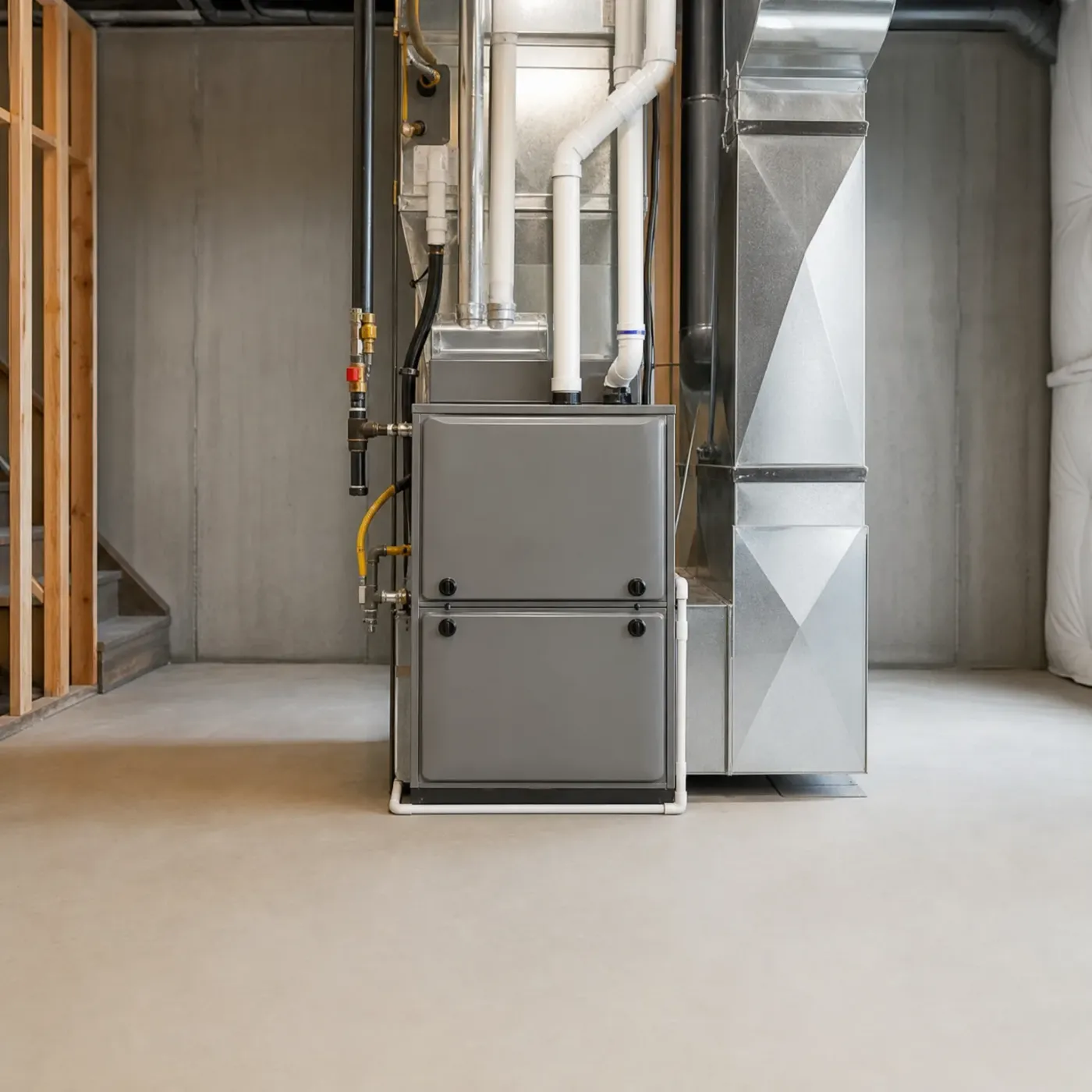
Air moves through this cabinet the way it was built to. The blower pulls steady, the burner fires clean, and the PVC flue carries exhaust out without the furnace straining to push air past a clogged filter first.
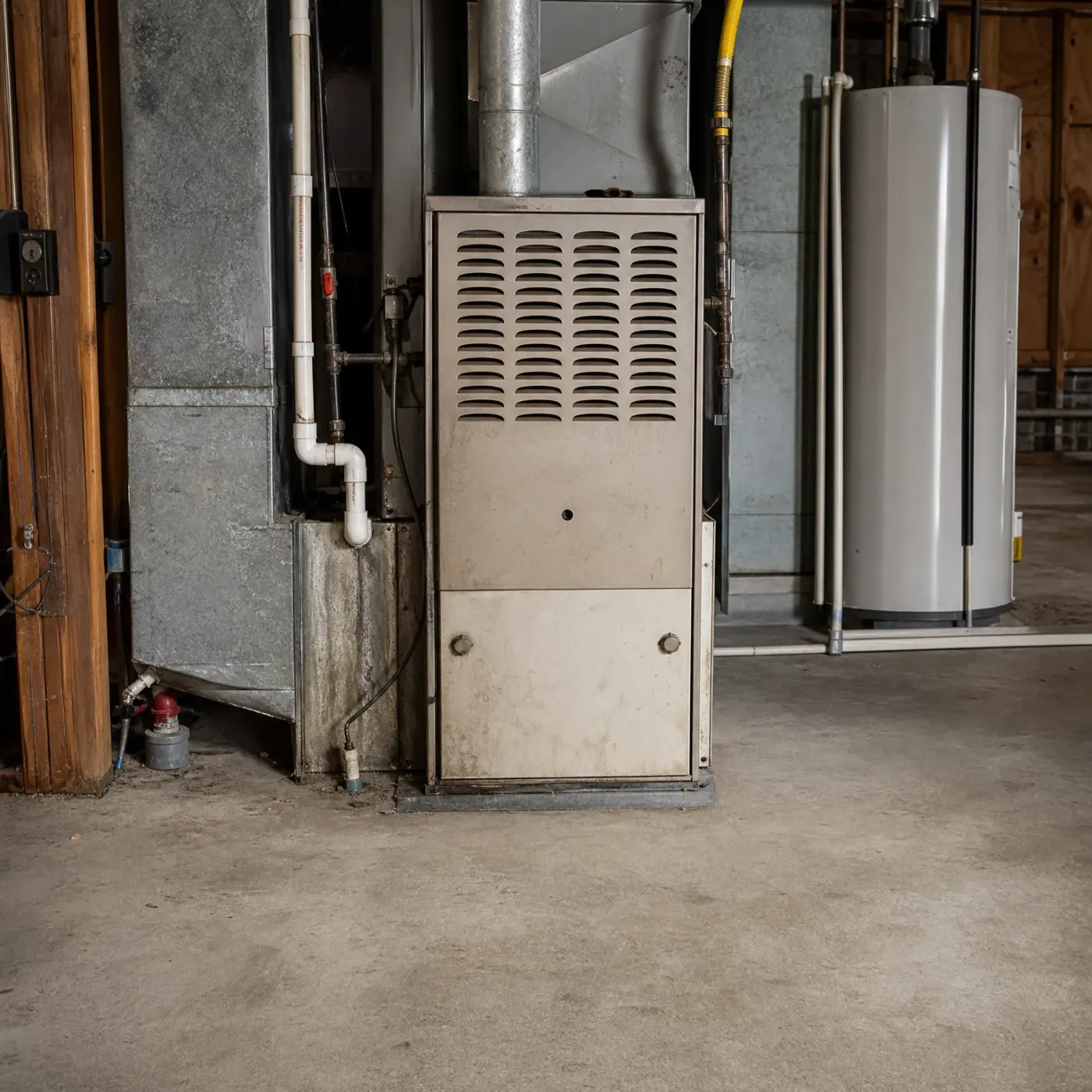
This furnace can't tell you its filter is packed. It just keeps pulling against it, cycle after cycle, running longer to push the same heat down that ductwork while the blower strains behind a louvered vent you'd never think to check.
You've noticed your oil tank running down faster than it used to, and you're wondering if the furnace itself is to blame or if something simpler is going on. A dirty filter sounds too small to matter against a whole tank of oil, but the way a furnace is built, it isn't.
The burner doesn't know the filter is dirty. It only knows the air coming back isn't carrying away heat the way it should, so the heat exchanger runs hotter and the furnace shuts off sooner on its high limit switch, short of actually warming your house. Then it has to fire again sooner than it would with clean airflow. Each of those extra cycles burns oil to get the burner lit and the exchanger back up to temperature before it can do any useful heating. Over a long New Hampshire winter, with oil already priced the way it is and the furnace running for months straight, those extra cycles add up to real oil burned for no heat delivered.
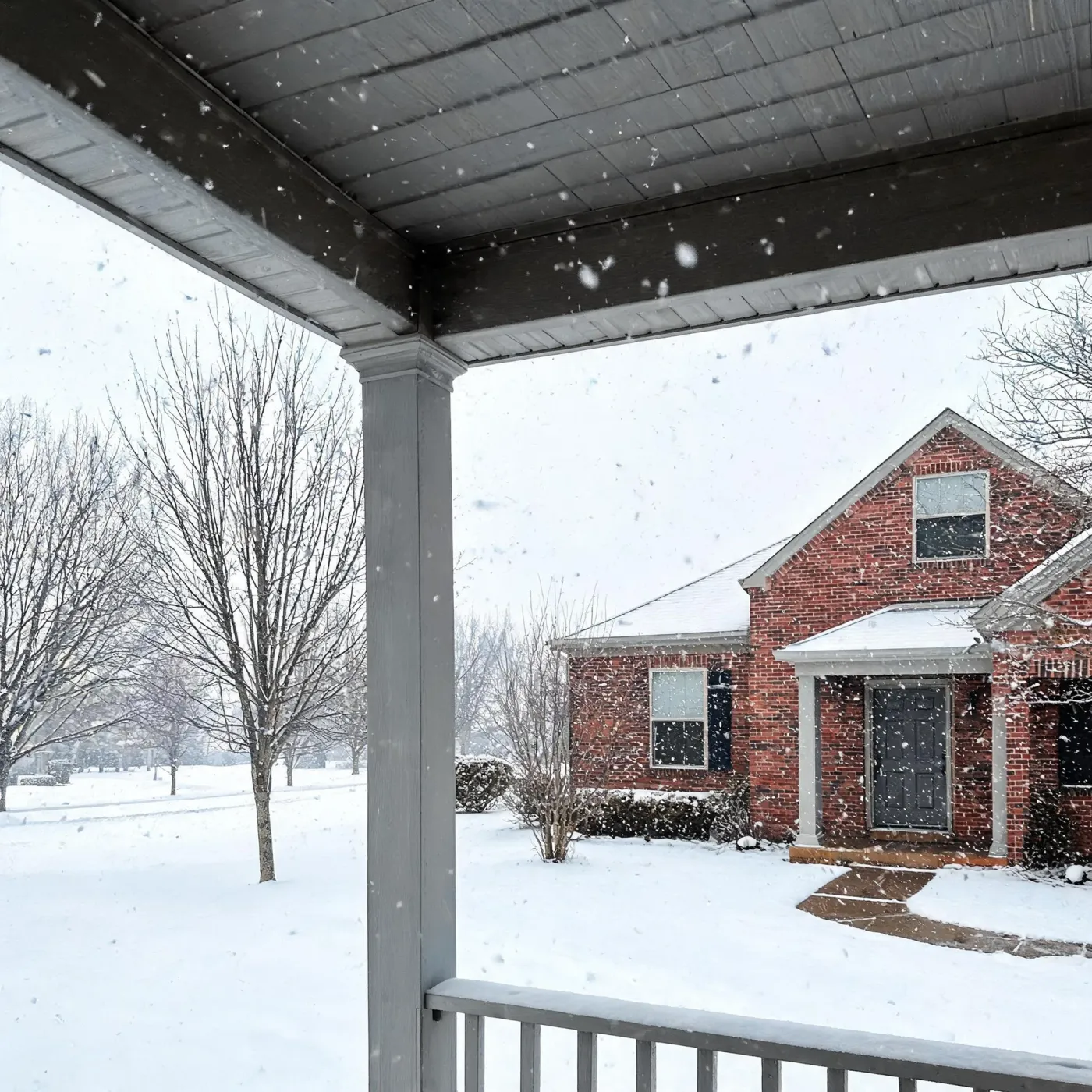
Winter nights statewide average 15°F, by National Weather Service data, and a furnace fighting that kind of cold doesn't idle. It runs long, steady stretches to keep up, pulling return air through that filter for hours at a time. A filter that's packed with dust turns those hours into a fight, and with oil prices what they are, that's oil you're paying for and not getting heat from. You'll notice it as rooms that take longer to warm or a furnace that seems to run and run without the house catching up. A filter check costs you five minutes. A winter of forcing air past a clogged one costs more than that.
NOAA nClimDiv 1991-2020 county normals weighted by homes
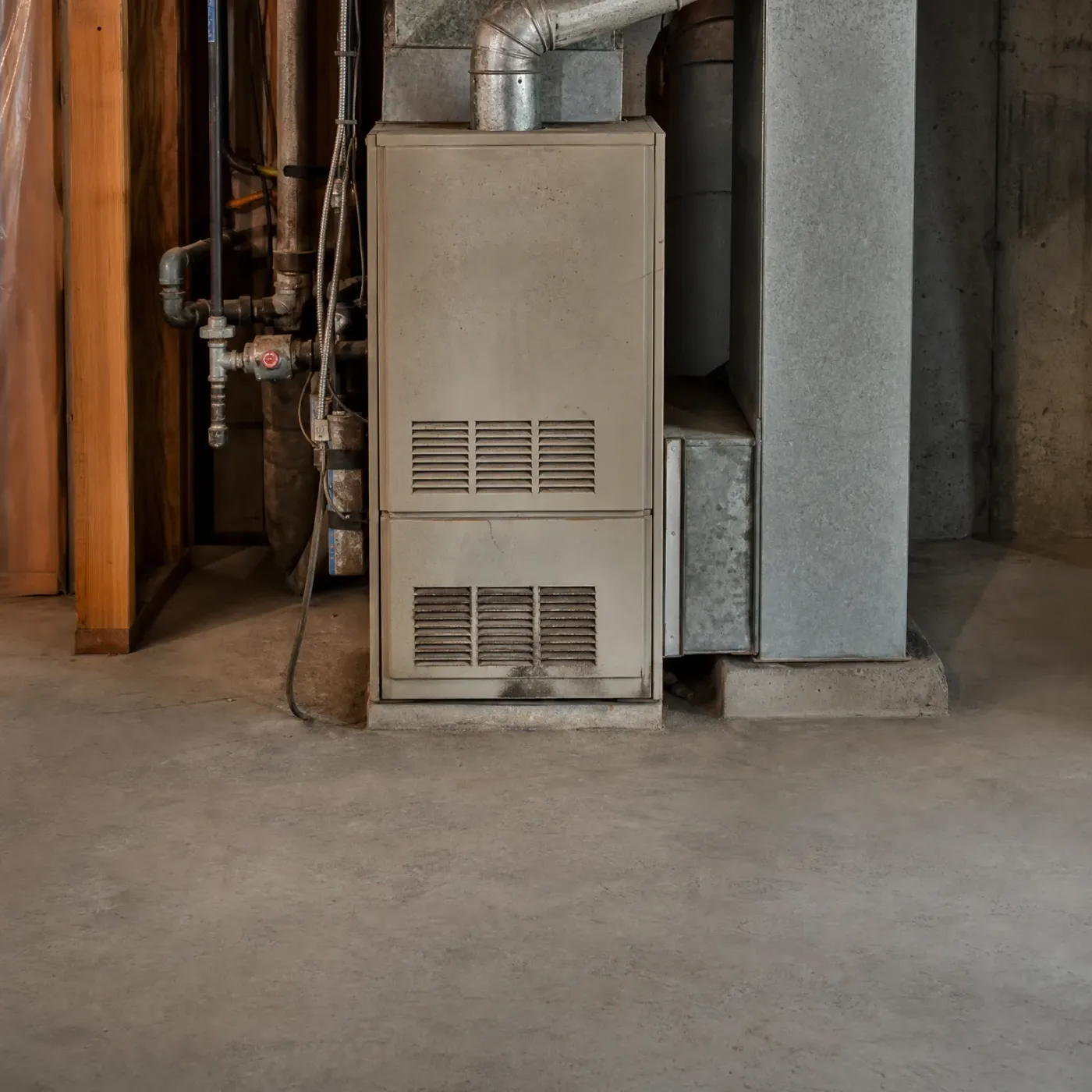
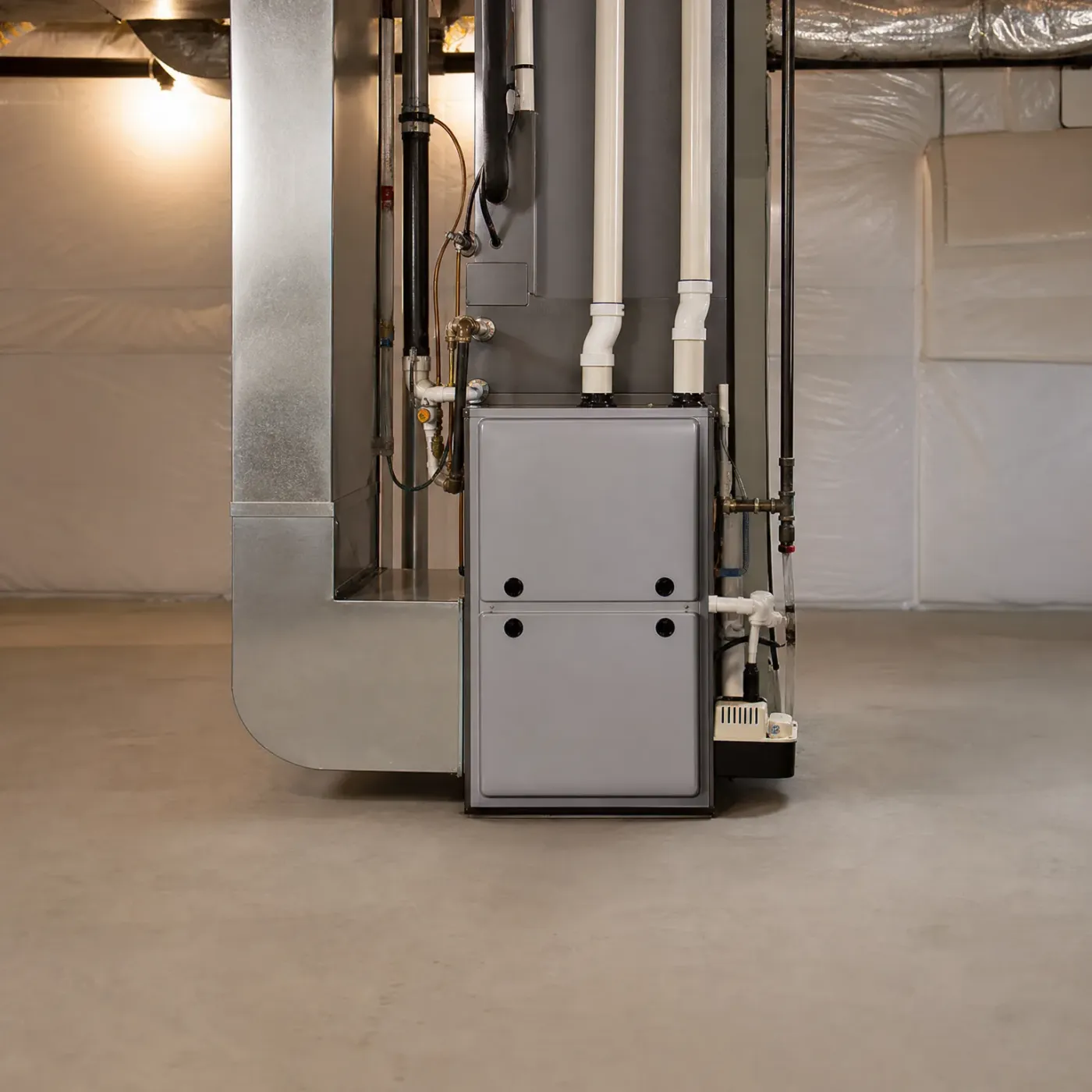
Ductwork stays clear and the blower pulls air the way it was designed to. The burner fires on schedule, the condensate line drains the way it should, and the furnace holds a steady oil draw through a cold stretch instead of climbing.
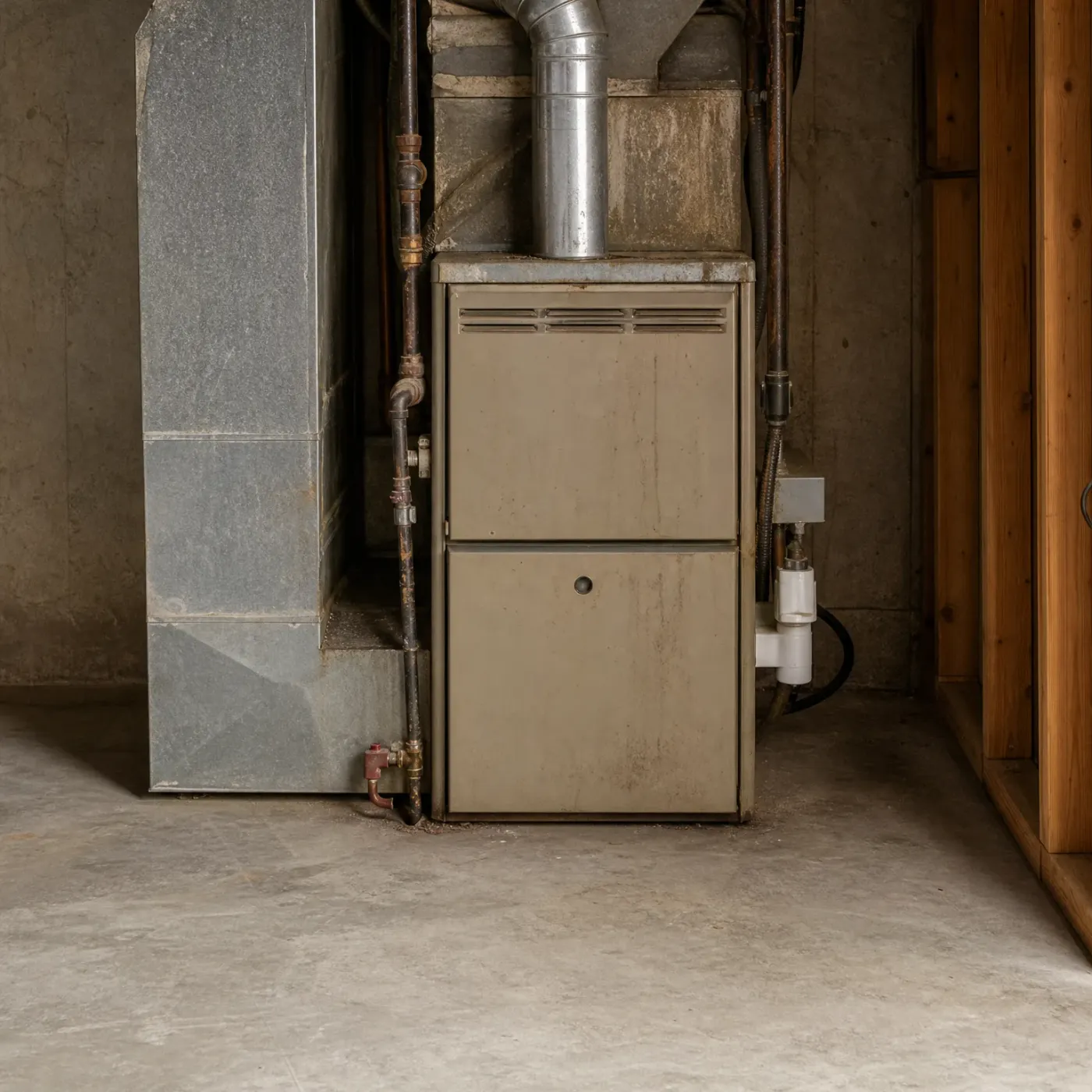
Dust builds up until the blower strains to pull air past it. The furnace runs longer to push out the same heat, those panels and flue work harder than they should, and the oil tank drops faster than a January cold snap accounts for.
At 15°F, your furnace isn't cycling, it's running. Long stretches of steady burn pull air through that filter for hours without a break. A dirty one makes the blower work against itself the whole time the cold holds.
NOAA nClimDiv 1991-2020 county normals weighted by homes
A one-inch filter in a New Hampshire furnace needs checking every month once the cold sets in, and most months it needs swapping. That holds whether you're running the thin standard filter or the thicker pleated kind, since the pleated one buys you extra weeks but not a free pass through the whole winter. The reason comes down to how your furnace actually runs here. Oil heat doesn't cycle lightly once the temperature drops. It settles into long, steady burns, pulling return air through that filter for hours at a stretch, and a filter that's packed with dust makes the blower fight for every bit of that air. That fight shows up in two places: the blower working harder than it should, and an oil tank that drains faster than it used to. Neither is dramatic on its own, but they add up over a season of real New Hampshire cold, the kind where nights sit well below freezing and the furnace is running, not idling. None of this calls for guesswork. Pull the filter, hold it up to the light, and if you can't see through it, put a new one in. Do that every month and you've kept the blower, the burner and the ductwork working the way the furnace was built to, through the stretch of the year when it's working the hardest.


Send one request and you're done looking
Your request stays with one local pro.