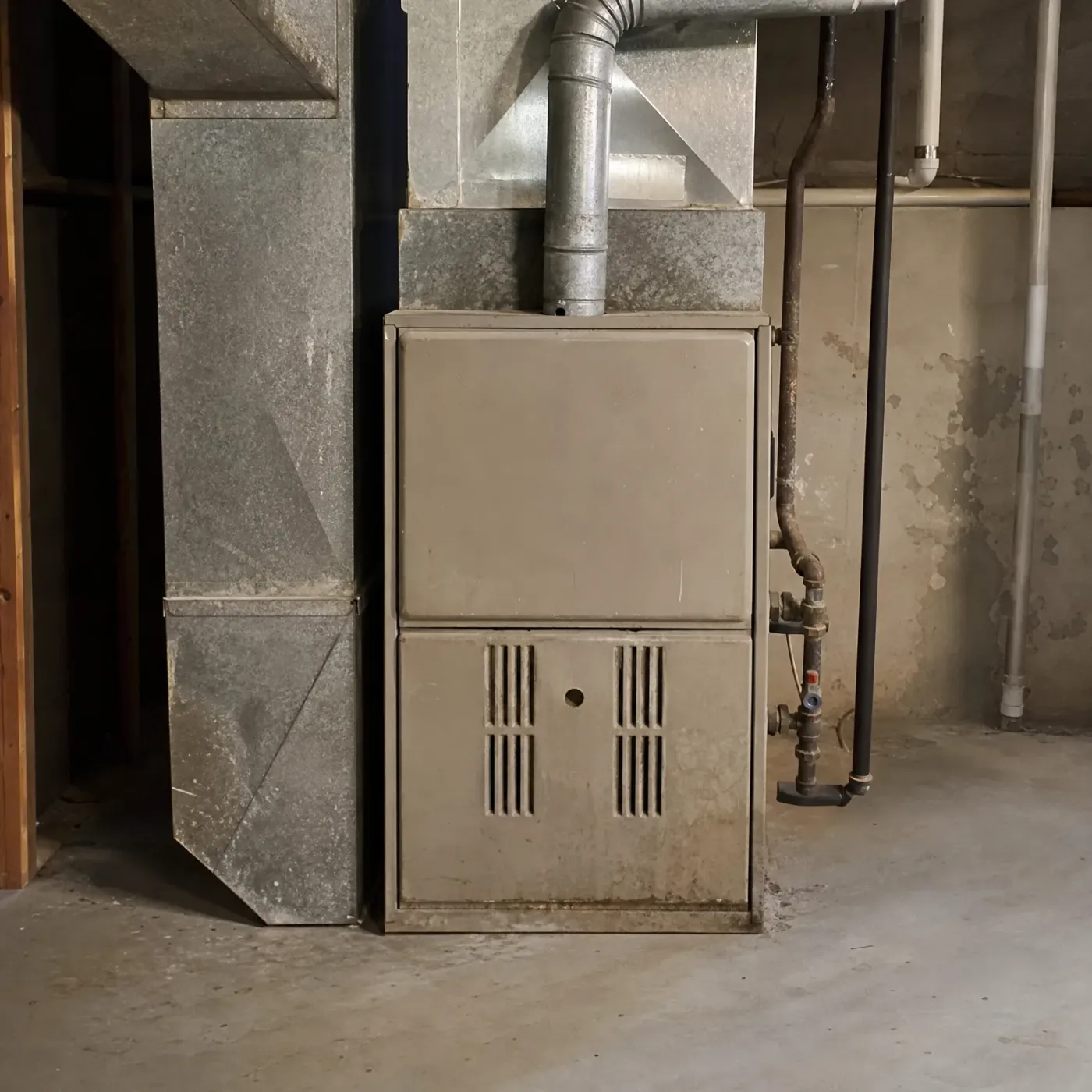
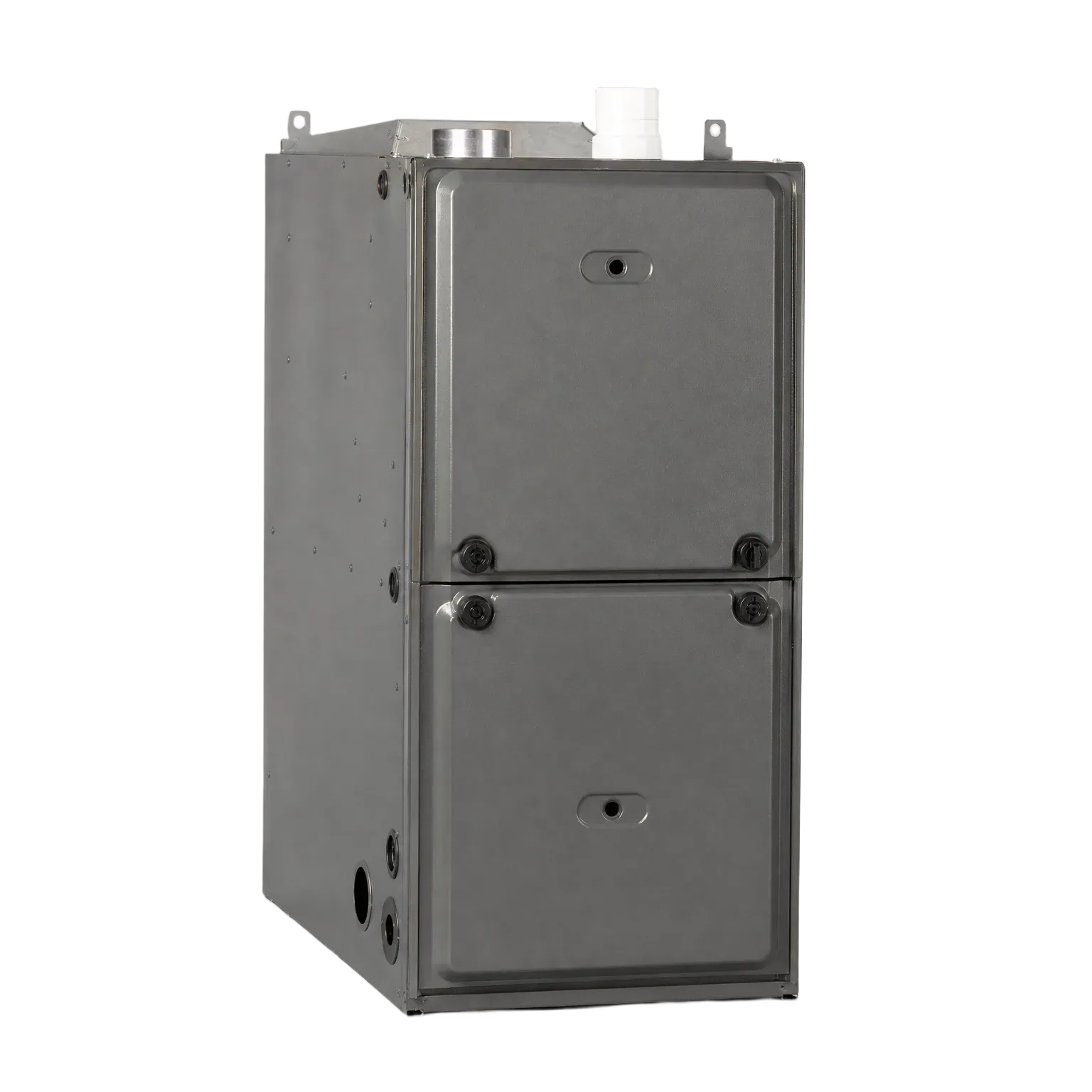
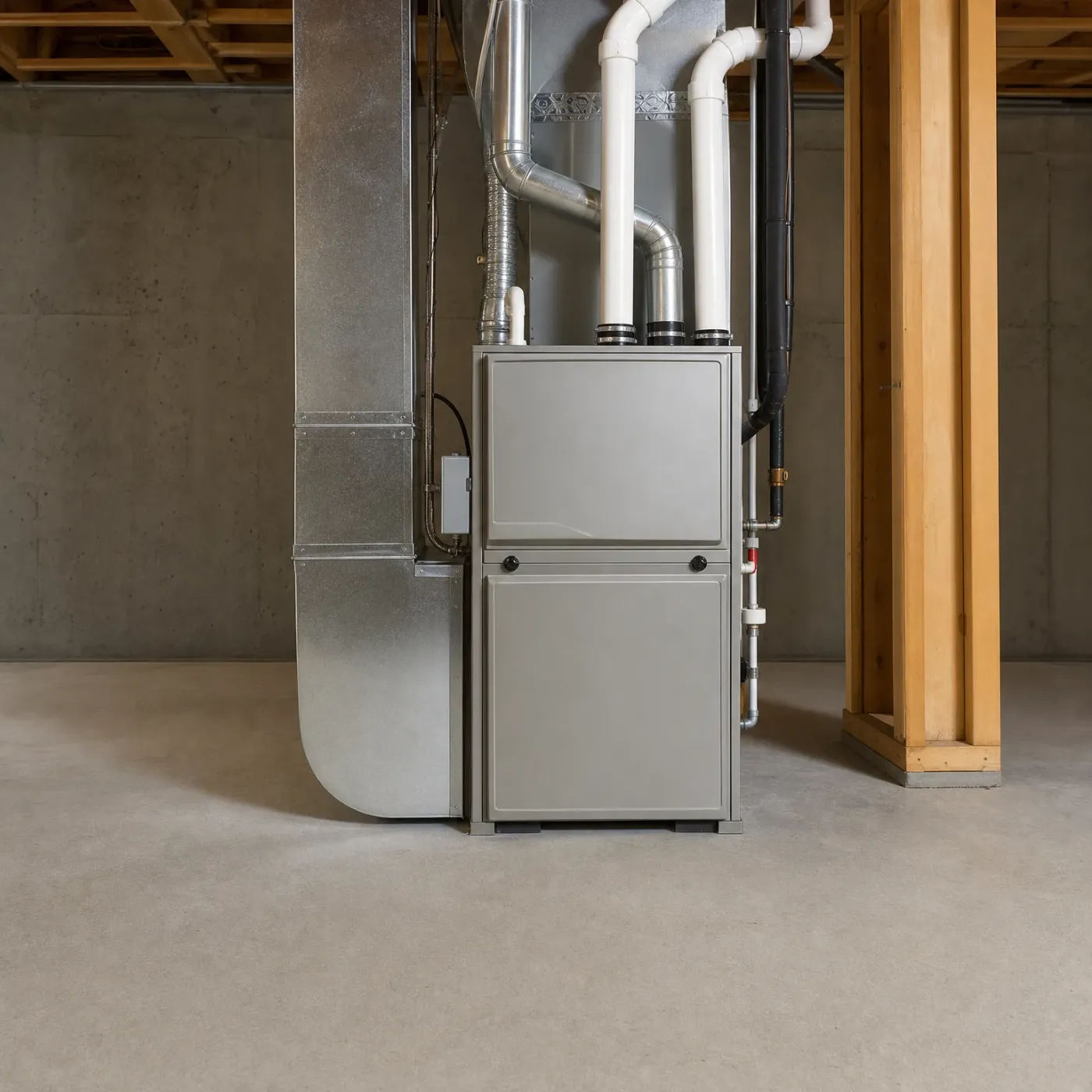
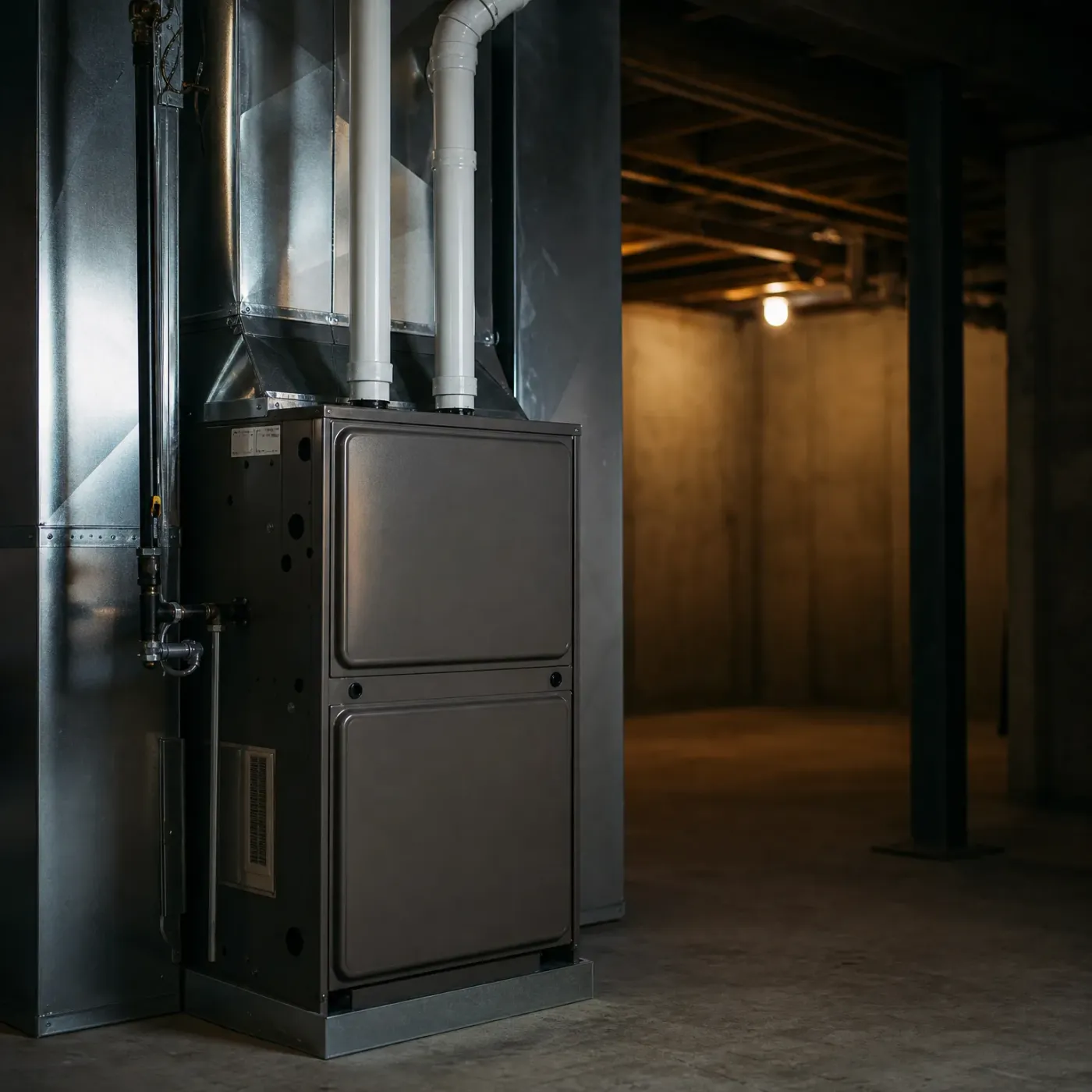
A gray high-efficiency furnace with two white PVC vent pipes stands beside galvanized sheet-metal ductwork in a dim basement with exposed joists and a concrete floor.

Get your furnace to the right pro

Repair or replace an aging furnace in New Hampshire

An old furnace gets harder to call. Keep paying to fix it, or put in a new one before a cold snap takes the decision out of your hands. With most New Hampshire homes running on oil and power costs among the highest around, that choice carries weight. This page gets into what decides it. Skip the calls to contractors around the state and get matched with one who can look at your furnace directly.

Match me with a pro

A furnace past 15 or 20 years old is worth replacing instead of repairing once the breakdowns start stacking up or a major part like the heat exchanger fails. Most furnaces in New Hampshire run on oil, and an oil furnace that age has usually lost efficiency, so it burns more fuel to put out the same heat. A new furnace fixes that, and it also means you are not gambling on a system that could quit during a stretch of single digit nights. Repair still makes sense if the furnace is younger and the failure is a single part, like an igniter or a blower motor. The call usually comes down to how often it is failing now and whether the next repair is likely to be the last one before something bigger goes. A furnace that is still under 10 years old with one isolated problem is a different situation than one that is into its third repair this winter.

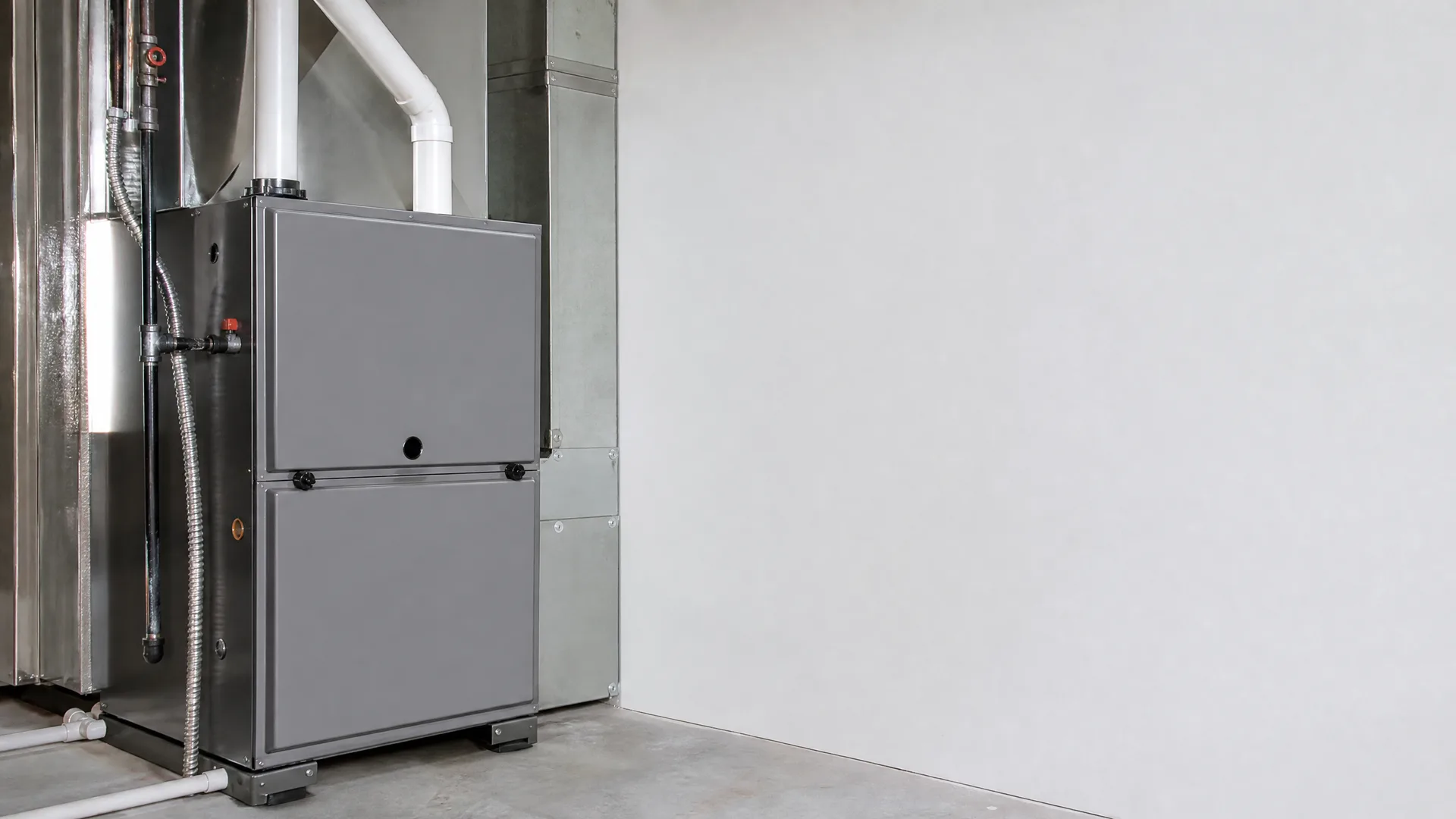
A gray high-efficiency furnace with two access panels stands in a bare basement corner, connected to sheet-metal ductwork, white PVC vent pipes, and flexible gas and electrical lines.

What a cracked heat exchanger means

The heat exchanger is the metal chamber that separates the flame from the air moving through your ducts. Once it cracks, a furnace can push exhaust into the house along with the heat, and that's a safety problem, not a comfort one. Technicians check it on every service call for this reason. If yours has a crack, replacement isn't optional. No oil furnace runs forever, and this part is usually what ends its life.

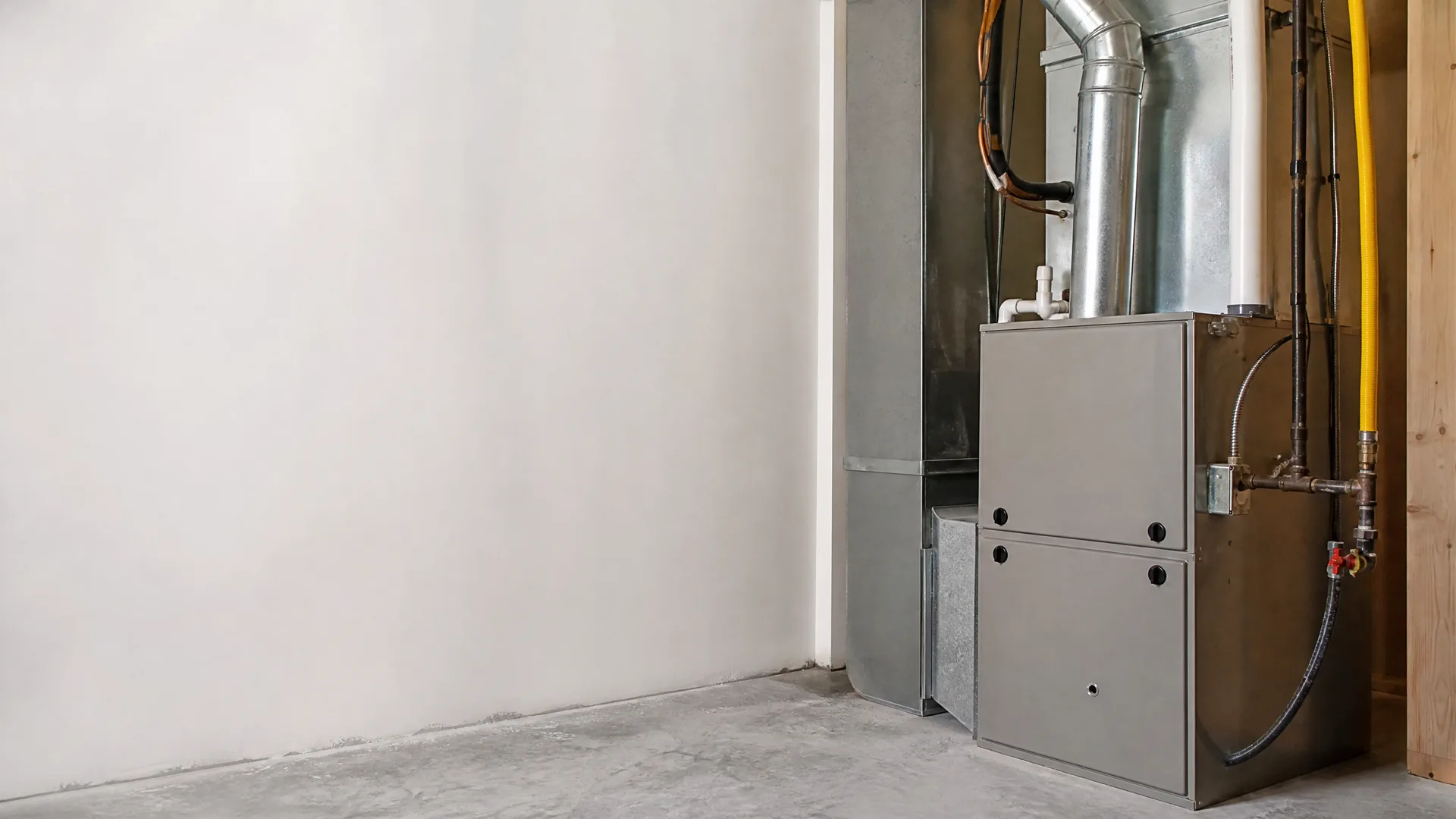
A gas furnace with metal ductwork, copper and yellow gas piping stands against a wall in an empty room with a bare concrete floor.

Why oil furnaces lose efficiency over time

An oil furnace fires a burner that has to atomize fuel cleanly to burn it fully. Nozzles wear, soot builds on the heat exchanger surfaces, and the burn gets less complete year by year even with regular cleanings. That soot layer acts like insulation, holding heat inside the exchanger instead of letting it pass into your ductwork. A furnace running at reduced efficiency burns more oil to produce the same heat, and in a state where oil heats most homes, that loss shows up directly on your fuel bill.

Is your furnace telling you something?

You might hear it before you see anything wrong. A furnace on its way out runs longer to hit the same temperature, so you notice the burner cycling more than it used to, or rooms that stay cool while the thing keeps running. Some oil furnaces start putting off a stronger smell on startup, or soot shows up around the cabinet. The burner might kick on with a bang instead of a smooth catch. None of that is normal wear to live with. An oil furnace working harder than it should is burning more fuel to do it, and with oil heat and high power costs both working against you in New Hampshire, that shows up on the bill fast.

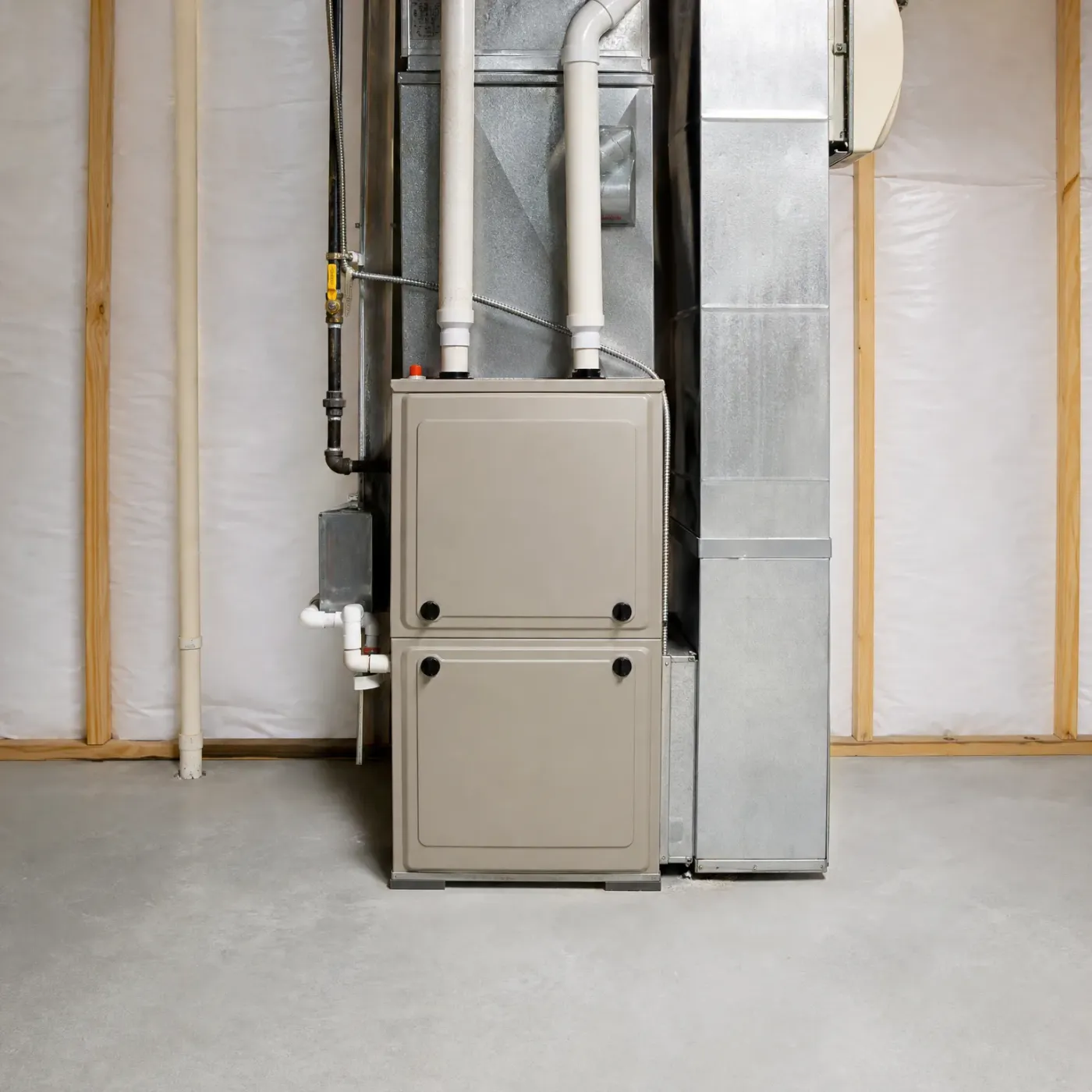
A beige high-efficiency furnace stands on a concrete basement floor beside sheet-metal ductwork, with white PVC vent pipes and a gas line running along an insulated wood-framed wall.

Running the way it should

A furnace that's keeping up shows it. The burner cycles on, heats the house, and shuts off. The flue pipes and gas line stay sealed and dry, and the cabinet around the air handler stays clean. Nothing about it demands your attention.

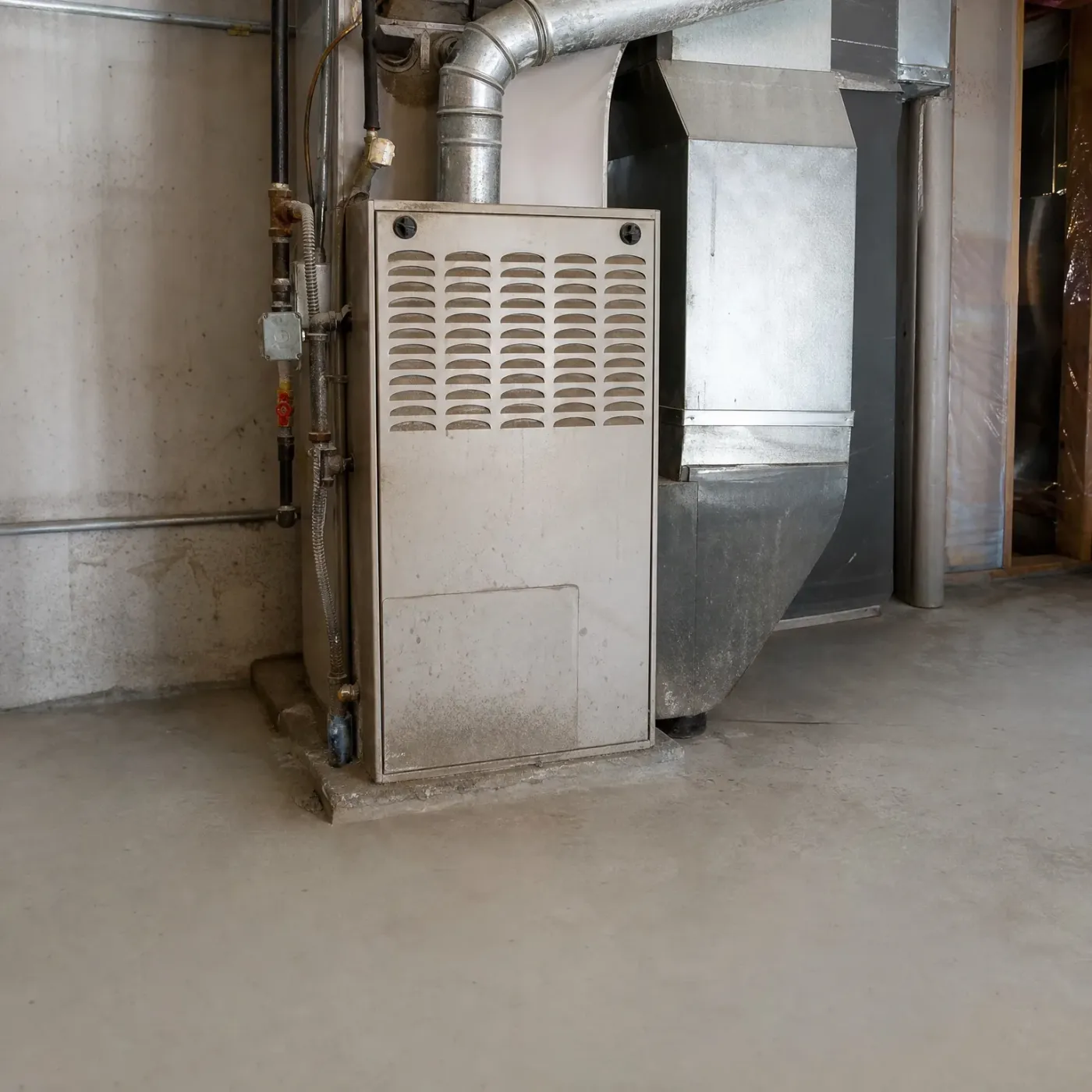
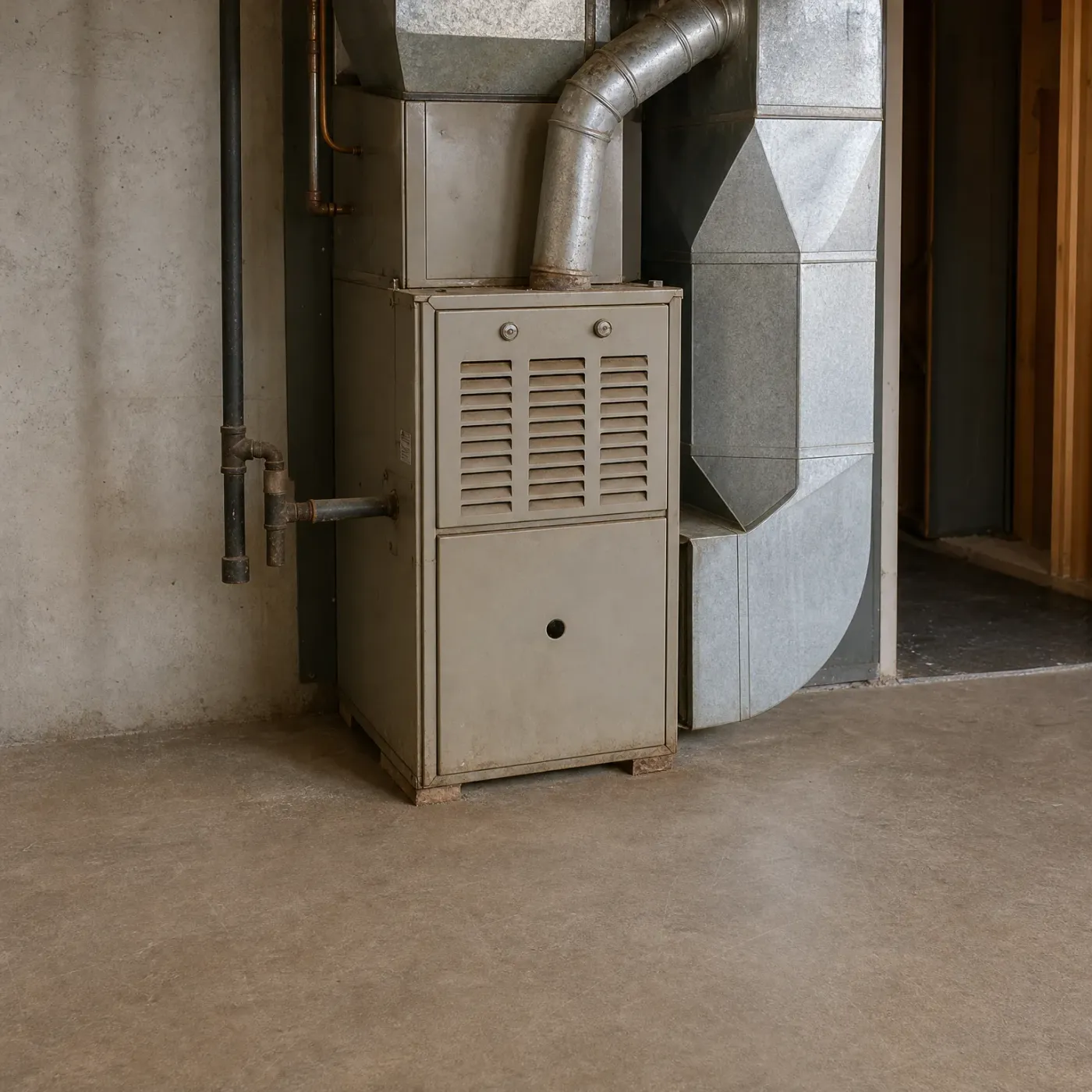
An older metal furnace with a louvered front panel stands against a concrete basement wall, connected to sheet-metal ductwork and a flue pipe, with copper and steel pipes running alongside.

Running on borrowed time

Dust on the cabinet and a tired-looking front panel don't cause problems by themselves, but they tell you the unit has logged a lot of winters. Pair that age with rising repair calls and you're looking at a furnace closer to its last season than its first.

Repair It or Replace It

Repair

  • A single repair, like an igniter or a blower motor, can cost a few hundred dollars and buy you another winter.
  • Repairing makes sense if the furnace is under 15 years old and this is the first real problem it's had.
  • You keep the oil furnace you already know how to run, with no changes to the tank, the lines, or the venting.
  • If the heat exchanger is still sound, most other furnace parts can be swapped out without touching the cabinet.
  • A repair this year doesn't rule out replacing next year once you've seen how the furnace holds up through a full winter.

Replace

  • A new furnace comes with a warranty on parts that a 20 year old oil furnace no longer has.
  • Replacing ends the pattern of paying for a repair every heating season instead of once for a system that works.
  • A cracked heat exchanger means replacement, not repair, since that part isn't meant to be fixed in place.
  • Newer furnaces burn oil more efficiently, which matters where power and oil both cost more than in most of the country.
  • You set the timing yourself instead of replacing it in a hurry after it fails during a cold snap.
  • Installation takes planning: sizing the unit to your house, scheduling the work, and coordinating with your oil supplier if the setup changes.
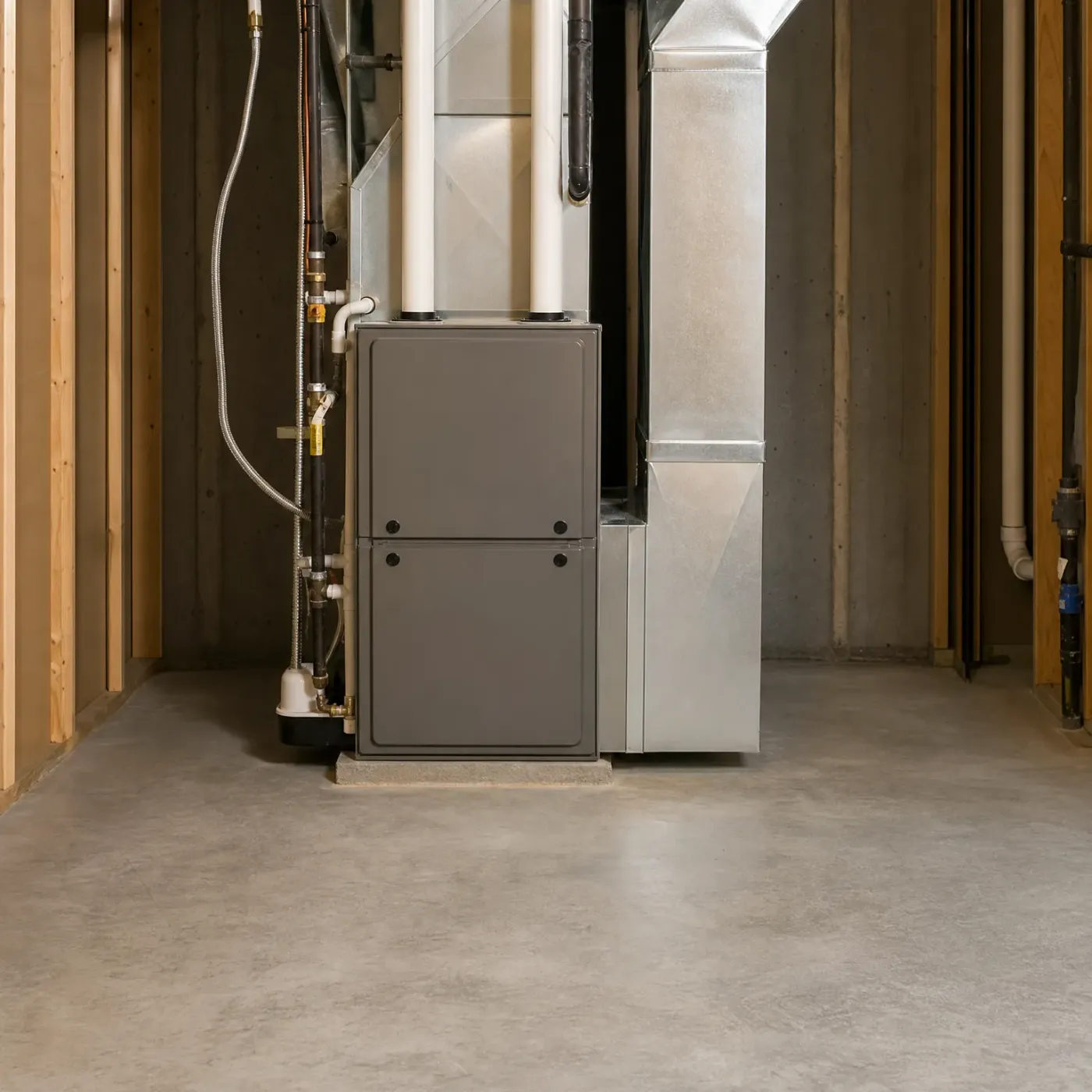
A gray high-efficiency furnace with white PVC vent pipes stands on a concrete pad in a basement, beside sheet-metal ductwork, copper piping and a poured concrete wall with wood framing at left.

Holding its own

A furnace like this one is doing its job. The cabinet is clean, the flue and gas lines are dry, and the ductwork overhead is tight. If this is what's running in your basement, a repair is likely all it needs, and a contractor can confirm that before you spend on anything more.

A beige gas furnace in a basement with a metal flue pipe, galvanized sheet-metal ductwork to its left, and gas and water pipes along the concrete wall to its right.

On its way out

This is an older unit, and the signs are there if you look: the flue pipe, the exposed valves, the general wear on everything around it. A furnace like this is the one that tends to fail on the coldest night of the year. Finding out now beats finding out then.

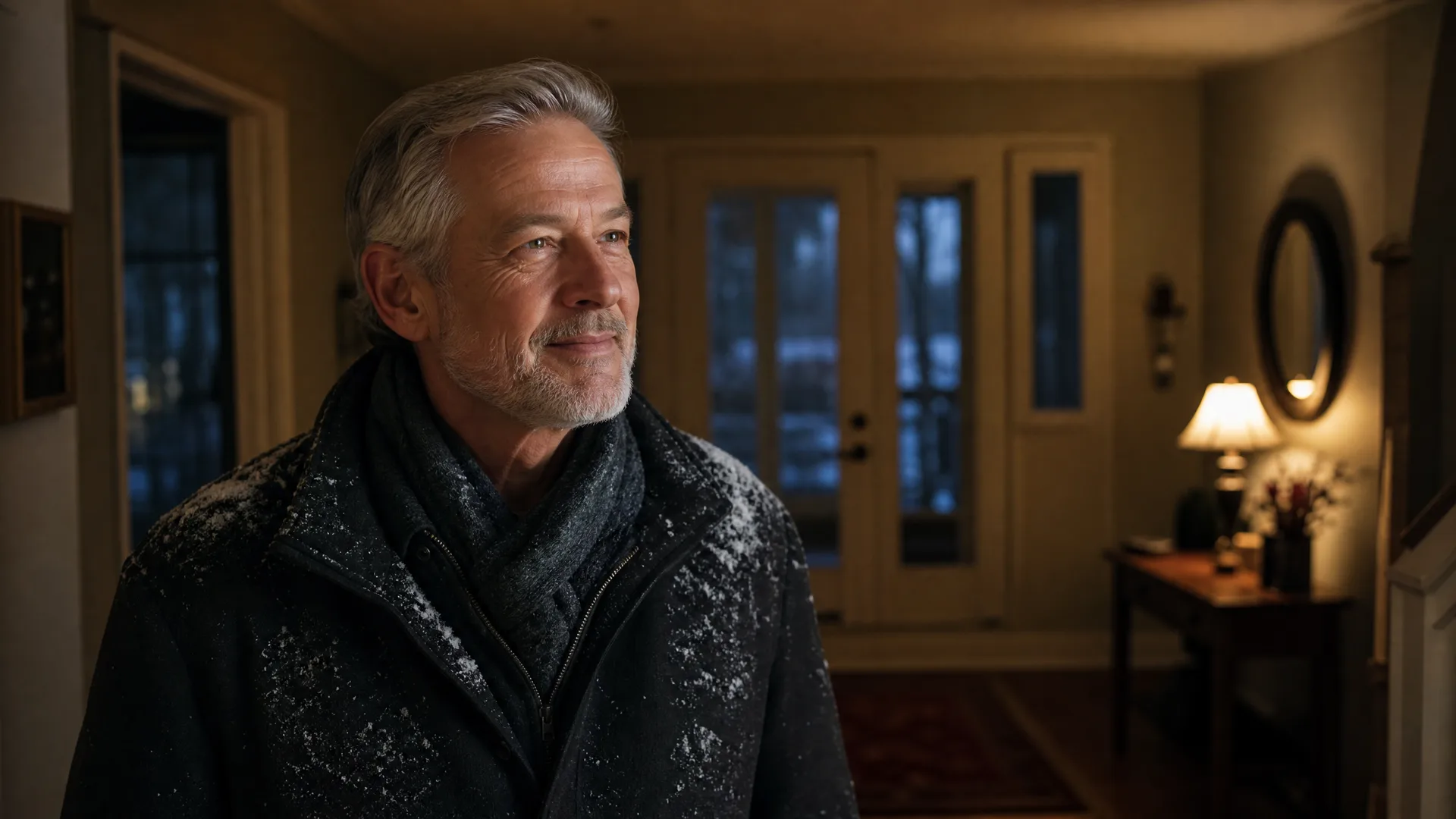
A gray-haired bearded man in a dark coat and scarf dusted with snow stands smiling in a dimly lit entryway with a white front door, a side table with a lit lamp, an oval mirror, and a patterned rug.
An older bearded man in a dark snow-dusted coat and gray scarf stands just inside a dimly lit home entry, with a framed picture, lit table lamp, and an adjoining room with a fireplace behind him, and snow visible through the open door.
A gray-haired, bearded man in a dark snow-dusted coat stands smiling in a dimly lit entry hall with a staircase, a lit table lamp, a framed picture, and a living room visible through a doorway.
An older man with gray hair and a beard, wearing a dark jacket dusted with snow, stands smiling in a dimly lit hallway with lamps and a living room visible behind him.

The right pro for this job

Skip collecting and comparing quotes for the new furnace.

No charge to send it. You decide if you hire them.

How an oil furnace actually fires

  • An oil furnace fires the burner first, then starts the blower a short delay later once a fan limit switch senses heat.
  • Oil needs a steady spray pattern from the nozzle, and a clogged nozzle or dirty filter throws off that pattern and wastes fuel.
  • The aquastat and the limit control shut the burner down if the plenum gets hotter than it should, which protects the heat exchanger.
  • A furnace nearing the end of its life often needs the nozzle and filter changed more than once a season instead of once.
  • Soot building up inside the heat exchanger acts like a blanket, so the furnace burns more oil to push the same heat through the ducts.
  • The igniter or electrodes have to spark hot enough to light the oil spray within seconds, and a weak spark means delayed or failed ignition.

An oil furnace works in a set order, and when something's off, it's usually one step in that order falling behind. The burner fires first. Oil gets pumped to the nozzle, which has to throw a fine, steady spray into the combustion chamber. The igniter sparks that spray, and it has to light within seconds or the furnace locks out and tries again. Once the flame's established and the plenum heats up, a fan limit switch tells the blower to start, which is why you'll hear the burner running a moment before air comes through the vents. The aquastat and limit control are watching that whole time. If the plenum gets hotter than it should, they shut the burner down before the heat exchanger takes the damage.

Every part of that sequence depends on clean oil flow and a clear path for heat. A clogged nozzle or a dirty filter throws off the spray pattern, so the furnace burns oil without converting all of it to heat. A furnace near the end of its life often needs that nozzle and filter swapped more than once a season, where a newer one goes a full season between changes. Soot is the other half of it. As it builds up inside the heat exchanger, it acts like a blanket between the flame and the air moving through your ducts, so the furnace has to run longer and burn more oil to reach the same temperature. None of this shows up as one dramatic failure. It shows up as a furnace working harder to do what it used to do without trying.

A beige metal furnace with a louvered front panel stands on a concrete floor against a concrete wall, connected to galvanized sheet-metal ductwork and a metal pipe.
Before you get your furnace installation
A gray high-efficiency furnace stands on a concrete basement floor beside sheet-metal ductwork, with white PVC vent pipes and a black flexible line running up to exposed wood floor joists, next to a wood-framed post against a concrete wall.
After you get your furnace installation
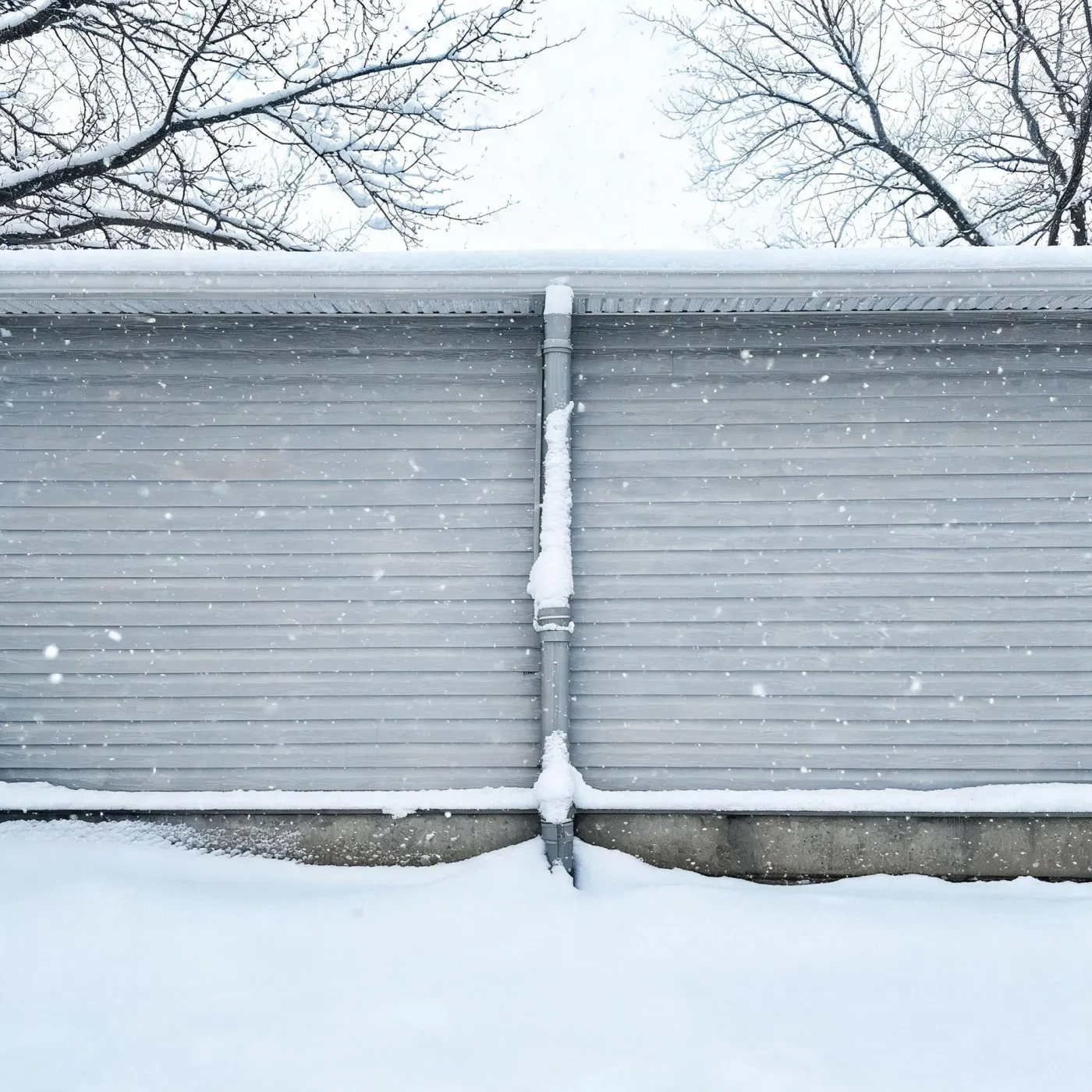
Exterior of a gray horizontal-lap-sided building with a snow-covered roof edge and a central downspout, seen during falling snow with deep snow on the ground and bare tree branches above.

Winter nights here average 15°F statewide, according to NOAA climate data, and that's the kind of cold an oil furnace has to answer for hours at a stretch. At that temperature the burner isn't cycling on and off anymore, it's running close to straight through the night to hold the house at a normal setting. An aging furnace feels that differently than a new one does. The blower runs longer, the oil tank drains faster, and a weak heat exchanger or a tired igniter gets pushed harder right when you need it least. If your furnace is already struggling on a mild 30-degree evening, a 15-degree night is where that shows up as a cold bedroom or a furnace that won't quit running.

NOAA nClimDiv 1991-2020 county normals weighted by homes

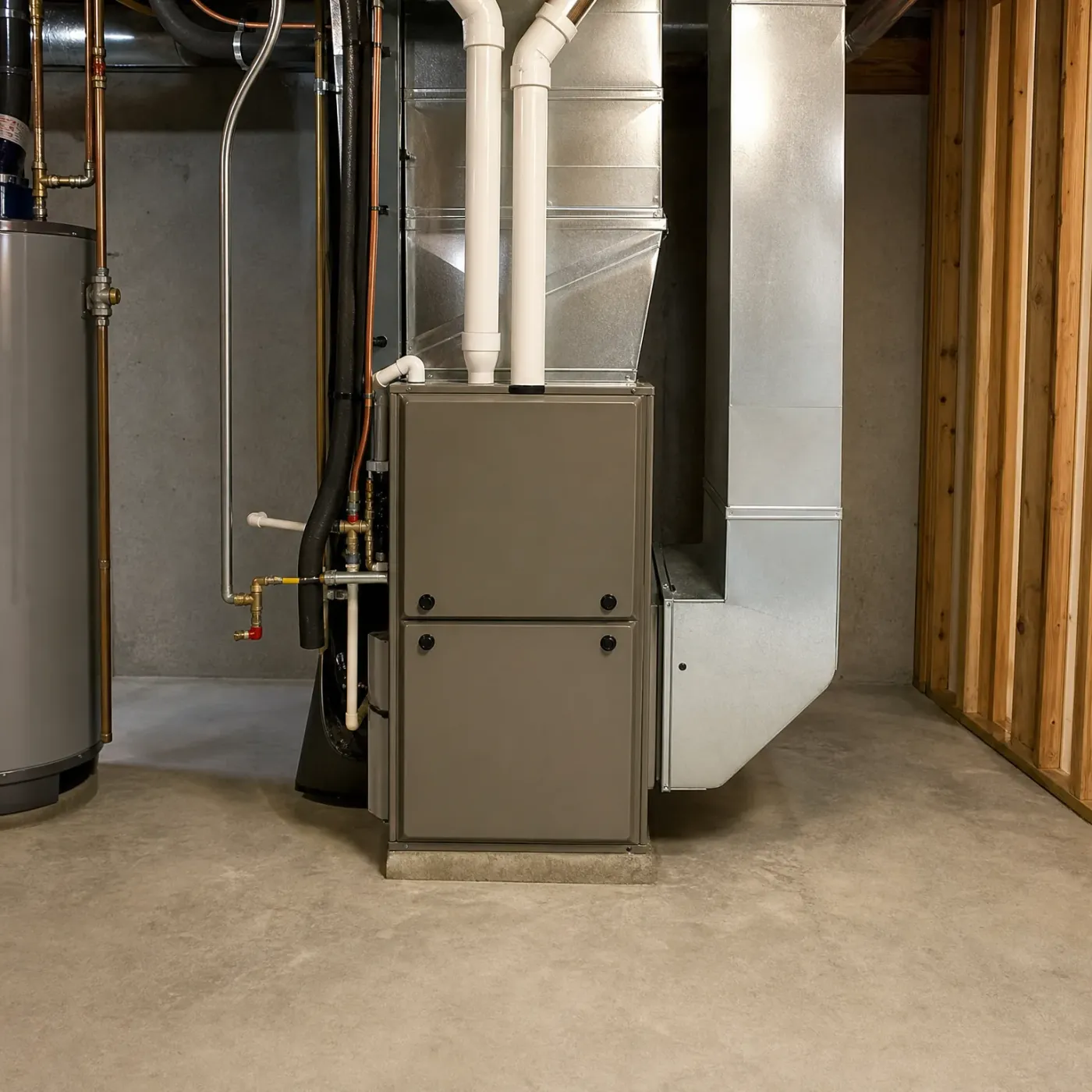
A gray high-efficiency furnace in a basement with PVC vent pipes, sheet-metal ductwork, copper and insulated pipes, a water heater at left, and an unfinished wood-stud wall at right.
The PVC pipe and clean sheet metal point to a furnace installed in the last several years, still matched to the house.
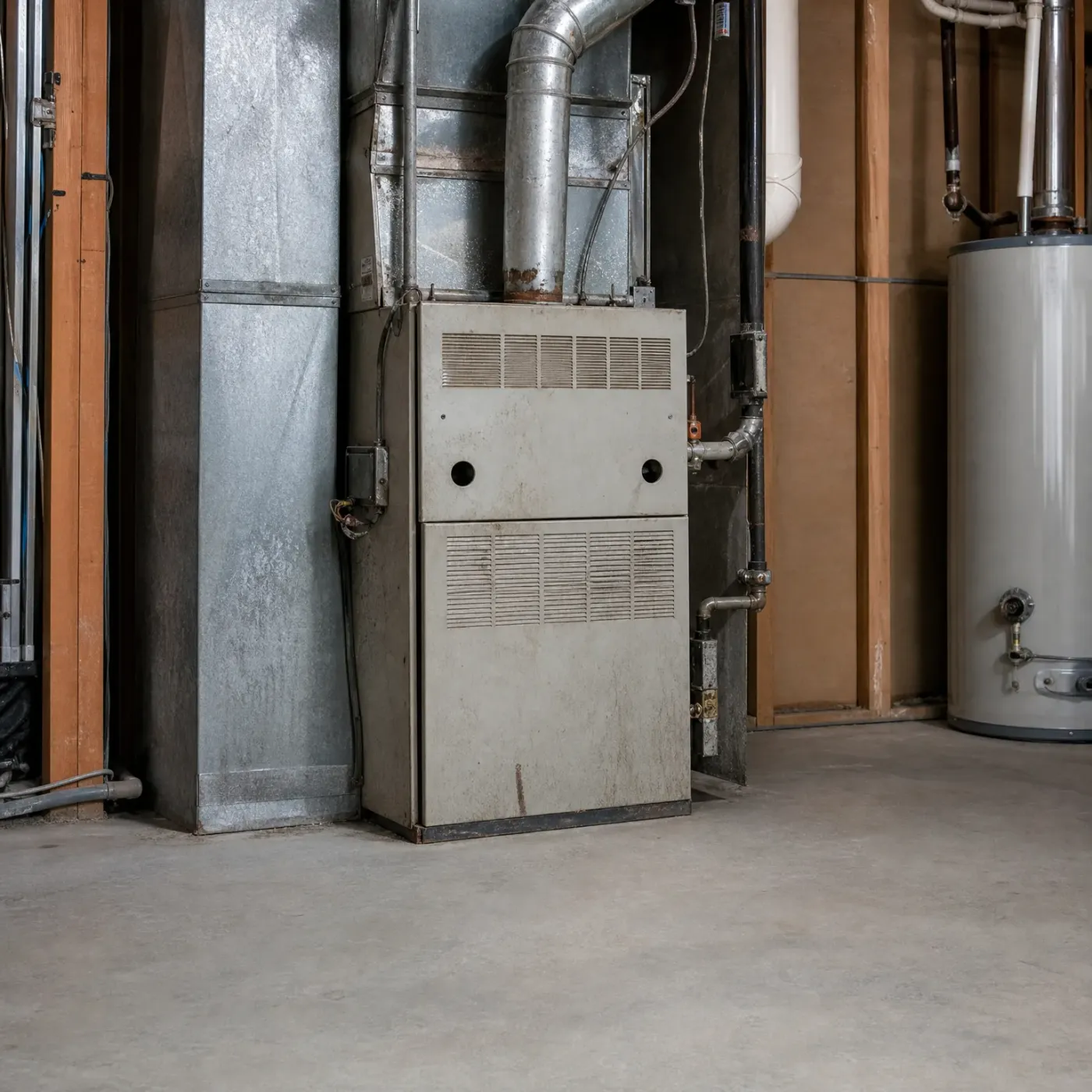
An older beige furnace with louvered front panels stands on a concrete basement floor beside galvanized ductwork, metal and plastic pipes, exposed wood framing, and a cylindrical water heater at right.
Galvanized flue pipe and older ductwork like this often mean a furnace original to the house, with its hardest years ahead.

Winter nights average 15°F statewide

At 15°F, your furnace is running most of the night, not cycling off and on. An older unit spends those hours working harder to hold the house at temperature, and that shows up on your oil bill before it shows up as a breakdown.

NOAA nClimDiv 1991-2020 county normals weighted by homes

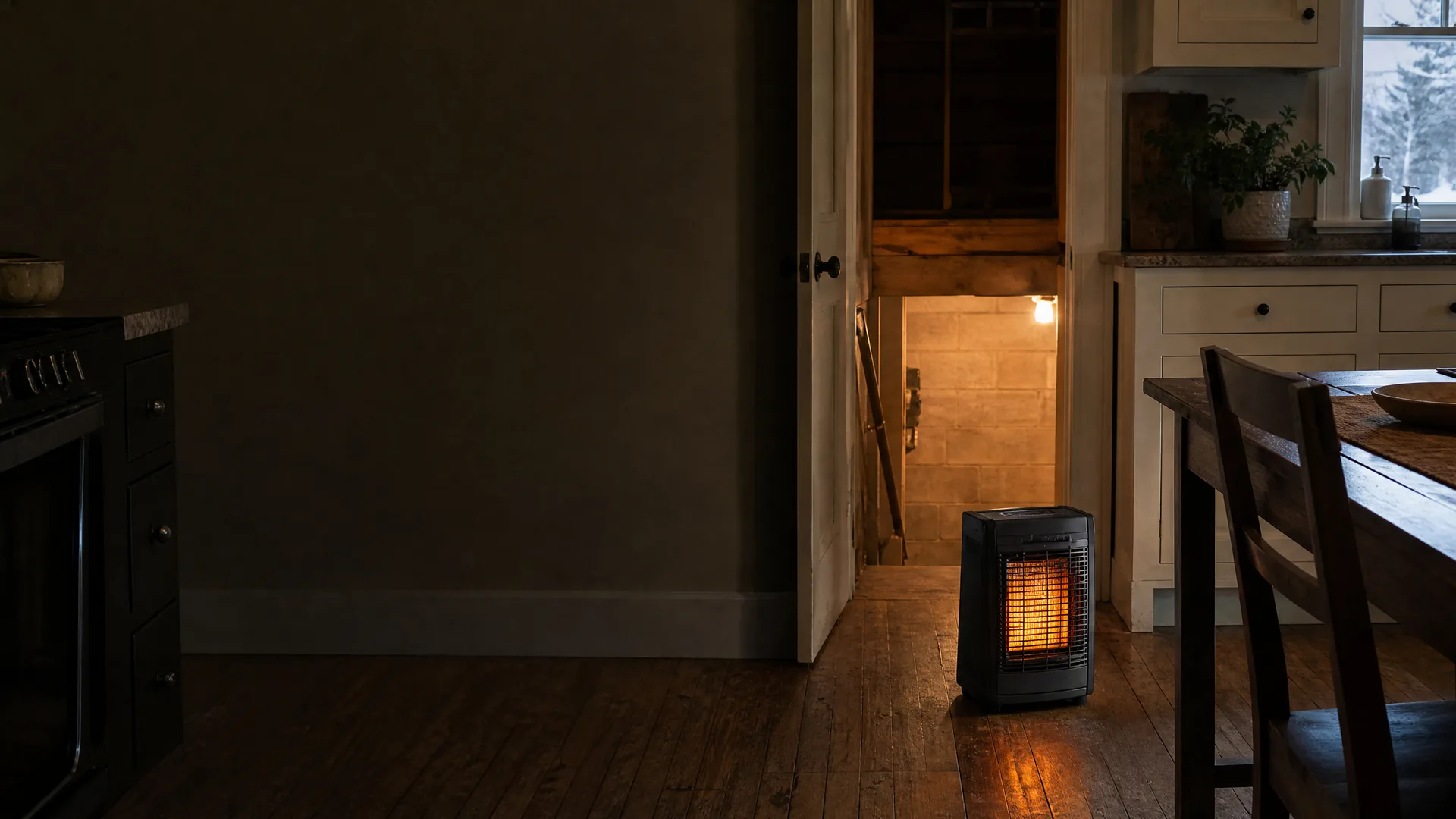
A dimly lit interior with wood plank flooring where a small portable heater with a glowing orange element sits near an open doorway, with a stove at left, kitchen cabinets and a potted plant at right, and a wooden table and chair in the foreground.

It's just past six on a February morning, still dark past the kitchen window. The space heater sits by the table, its coils orange, humming the only warmth in the room. You've got a sweatshirt on over your pajamas. The basement door is open behind it, and you can hear the furnace trying down there, a long low run that never quite shuts off. You keep the heater close to your feet while you wait on coffee, doing the math on how many more mornings you can start this way before the oil bill or the furnace itself forces your hand.
A man in a dark blue shirt stands in an open front doorway of a stucco and wood-clad house, facing a blond woman seen from behind in the foreground on a stone walkway.

Where that leaves you

A furnace near the end of its life doesn't need a guess, it needs someone to look at the heat exchanger, the burner, and the flue and tell you plainly which side of that line you're on. If it's a repair, you'll know what part failed and why. If it's a replacement, you'll know before a cold night makes the call for you.

Either way, you don't have to be the one who finds that person. Instead of searching through contractors, calling a few, and explaining the same furnace problem over and over while you wait on quotes, you get matched with a contractor who works on furnaces like yours in New Hampshire, and they reach out to you directly. What happens with your furnace from there is between you and them.

Interior corner with a beige sofa holding a dark green and a light cushion and a textured throw, a potted small-leaved tree beside a white-framed window, and a dark shallow bowl on a wooden coffee table in the foreground.
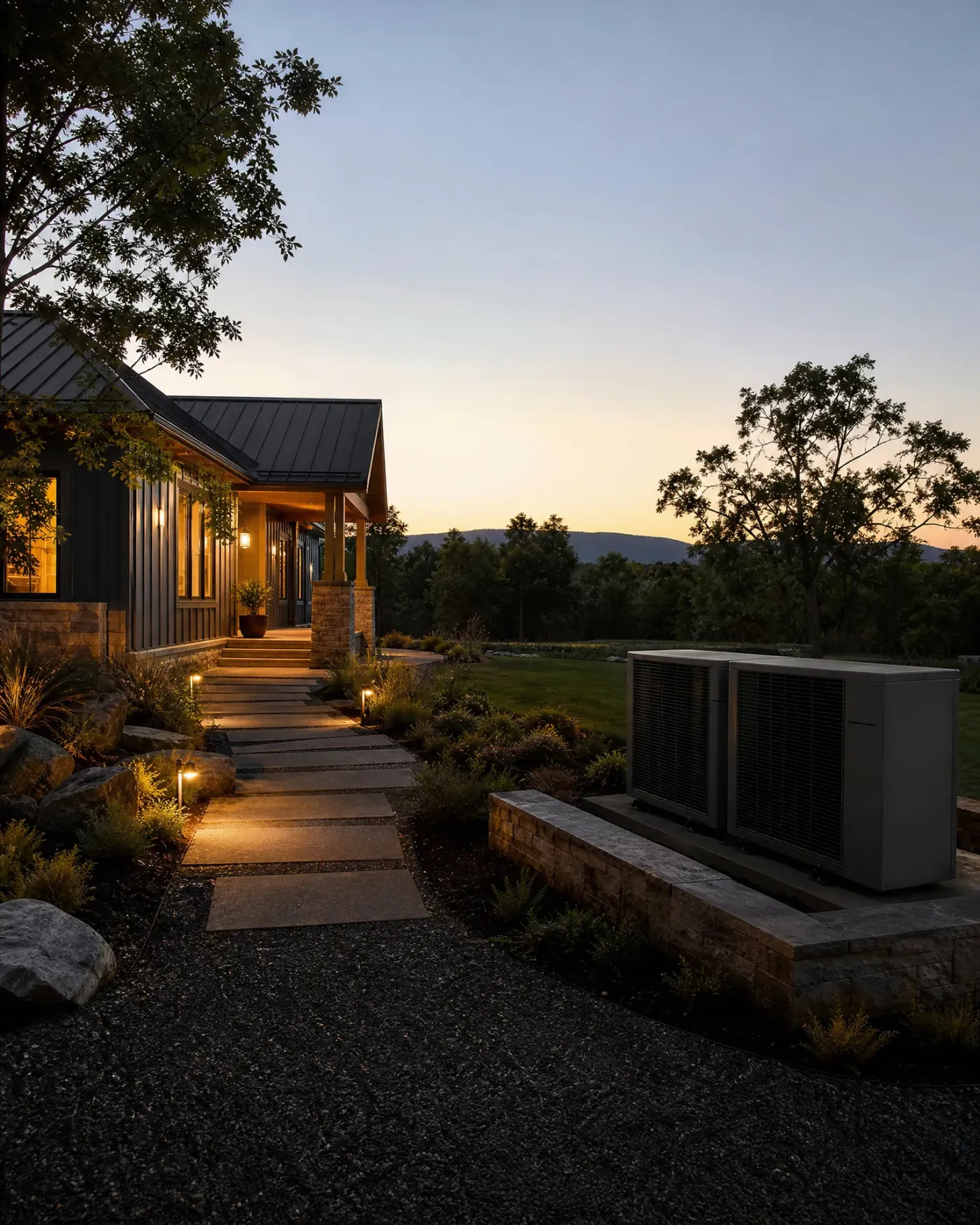
At dusk, a dark board-and-batten house with a standing-seam metal roof and lit entry walkway of stone pavers, with two large outdoor heat pump units on a stone-walled pad at right and trees and hills in the background.

Furnace Installation

Matched to your furnace job

Step 1 of 3: Equipment
  • A corner of a room with an upholstered wood-framed armchair holding a floral pillow, a round side table with a ceramic lamp, books and a vase of greenery, a framed landscape painting on the wall, a patterned rug, and a sunlit multi-pane window.
    • Describe your furnace job, and a local pro who handles it gets in touch.
    • Say what's going on with your furnace, and a pro who works on them reaches out.
  • Interior corner with a wood-framed window showing green foliage outside, a framed landscape print on a beige wall, and a rounded stone vase of leafy branches on a wooden cabinet.
    • Send the form and the search for an installer is over.
    • Send the form and stop researching installers for the new furnace.
  • A pale ceramic vase holding olive branches sits on a dark wooden countertop beside a carved wooden dough bowl, next to a wood-framed window and a light painted plank wall.
    • Describe the project once instead of to every installer.
    • Describe your furnace job once, to one pro.
  • A dark wood round side table holding a brass lamp with a cream shade, a blue-and-white patterned bowl, and a white textured pot of greenery, beside an upholstered chair with a gray patterned cushion and a white-framed window showing green trees and flowering shrubs.
    • One installer gets your project, so there's no bidding war over it.
    • Your request stays with one local pro.