






What a furnace tune-up covers before a New Hampshire winter

Send the form, and lining up the furnace tune-up stops being yours to chase.

Hand it off

A furnace tune-up before winter means a technician checks and cleans the parts that let your furnace run safely and keep up once the cold sets in. Most furnaces here run on oil, and that means a nozzle, filter, and strainer that need checking, since a clogged one can cut your heat output or shut the burner down on a January night. The technician tests the ignition, checks the heat exchanger for cracks, and makes sure the flue is drafting properly so exhaust leaves the house instead of backing up. They'll also check the thermostat response and airflow through the ducts. None of this takes long, but skipping it means finding out something's wrong when you're already cold. A furnace that's been checked before the season starts is far less likely to quit on you in February.

A smiling man in a dark navy sweater sits on a light sofa in a living room, with a glass bowl of popcorn on a wooden coffee table and bookshelves behind him.
A smiling man in a dark green sweater sits on a tan leather sofa in a dimly lit living room, with a bowl of popcorn in the foreground and a kitchen area blurred behind him.
A smiling middle-aged man in a dark shirt sits on a gray sofa in a living room, with a bowl of popcorn on a side table and shelves, a window and kitchen area behind him.
A smiling bearded man in a dark gray t-shirt sits on a gray couch in a living room, with a large glass bowl of popcorn on a wooden table in the foreground.

Is your furnace ready for another New Hampshire winter?

You might have noticed the burner taking longer to catch, or a faint oil smell near the unit that wasn't there before. Maybe the furnace short cycles, running a few minutes and shutting off before a room warms up. Soot around the burner door or on the filter is worth a look too. A clogged nozzle or a dirty strainer makes the furnace work harder for the same heat, and on a cold January night that's when a worn part finally gives out. With oil prices and electric rates both high here, a furnace burning dirty or cycling wrong costs you more every month it runs that way, and a breakdown means days without heat while you wait on a repair.

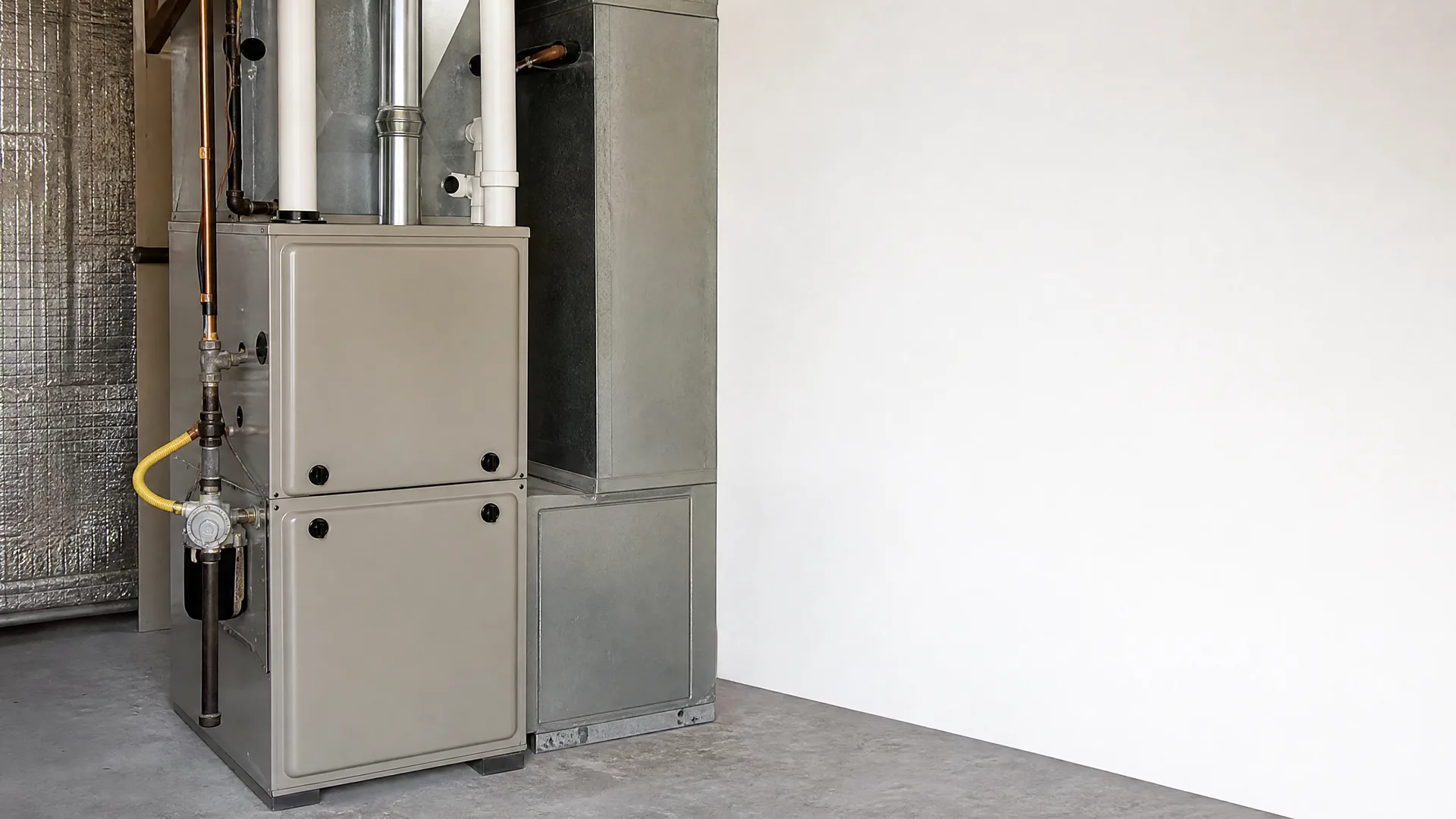
A beige residential gas furnace with white PVC vent pipes, copper and yellow gas lines, and adjacent sheet-metal ductwork stands on a concrete floor beside a plain white wall.

What an oil furnace tune-up checks

A technician pulls the nozzle and inspects it for wear, since a worn nozzle sprays oil unevenly and burns dirty. The filter and strainer get cleaned or replaced so sludge from the tank doesn't starve the burner. The electrodes get checked for the right gap, because a bad spark means hard starts or a furnace that won't fire at all on a cold morning.

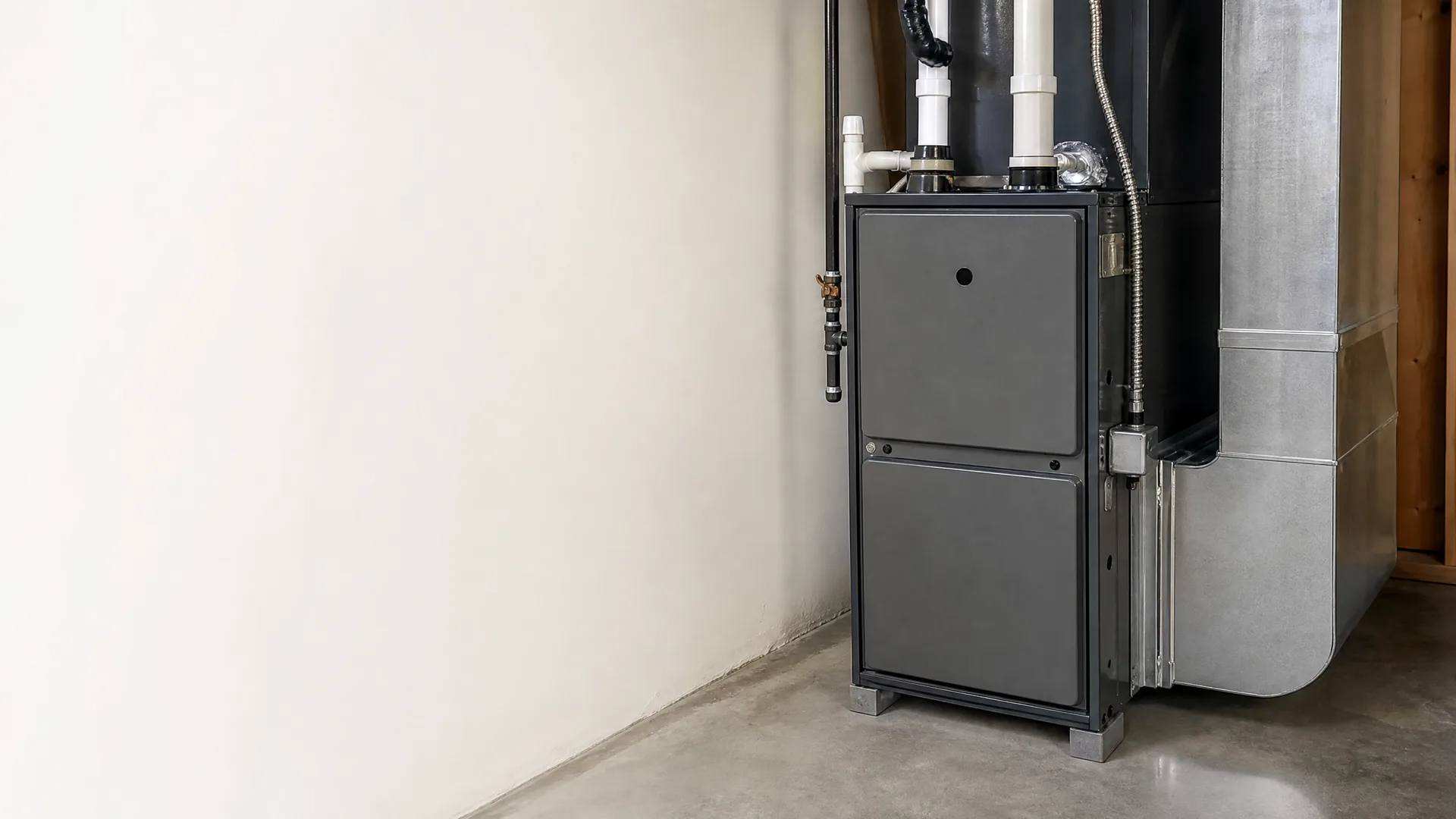
A gray high-efficiency furnace with white PVC vent pipes and metal ductwork stands on a concrete floor beside a plain off-white wall in a basement.

Why the heat exchanger matters most

The heat exchanger gets checked for cracks or soot buildup, since soot acts like insulation and keeps heat from moving into your ductwork even when the burner is running fine. A cracked exchanger can let exhaust mix with the air headed into your rooms. Combustion is tested too, checking that the mix of oil and air is burning clean instead of wasting fuel as soot and unburned fumes.

Why does the technician check the heat exchanger during a tune-up?

You've probably heard that a cracked heat exchanger is serious, maybe from a neighbor or a news story about carbon monoxide. You're not sure what it looks like or why a tune-up would catch it before it becomes a problem. It's the kind of thing you'd want checked before you're running the furnace every day through a New Hampshire winter.

A cracked heat exchanger can leak exhaust into the air your furnace blows through the house

The heat exchanger is the metal chamber that separates the flame from the air circulating through your ducts. It heats up and cools down every time the furnace cycles, and over years that stress can open a crack in the metal. Once that happens, combustion gases, including carbon monoxide, can mix with the air headed into your living room instead of going out the flue. A technician checks it with a camera or a flashlight, looking for cracks, rust-through, or separated seams. It's not something you can see or smell on your own most of the time, which is why it gets checked every year rather than waited on.

A woman with dark hair in a bun reclines on a sofa with her eyes closed, wrapped in a cream fleece blanket, a closed blue hardcover book resting in front of her, with a lit lamp and a vase of dried flowers in the background.
A smiling bearded man in a navy sweater sits at a candlelit dinner table with a glass of red wine, a bowl of salad, and plates of food in the foreground.

Send one request and you're done looking

Skip searching for a furnace pro and answer a few questions instead.

Asking costs nothing, and the choice to hire stays yours.

Get the tune-up done now

A technician cleans the nozzle, checks the strainer, and tests the safety controls before the first cold snap hits. If something's worn or clogged, it gets caught while the furnace isn't under load yet. You're not standing in a cold house waiting for a part. Booking ahead also means you pick the day, instead of taking whatever slot is left once everyone else's furnace has already quit. Oil furnaces work harder once temperatures drop into the teens and below, and a tune-up done in October or November means the furnace is already proven out before it has to run for hours at a stretch.
Wait and see what happens

Some furnaces run through a New Hampshire winter without a tune-up and nothing goes wrong. But if the nozzle's worn or the strainer's clogged with sludge, you won't know until the furnace is struggling to keep up on a night in January. That's also the night every other oil furnace in your town might be failing for the same reason, and contractors get booked out fast. A furnace that's never checked is also burning oil less efficiently the whole time, and with power costs what they are here, a furnace working harder than it needs to shows up on the bill whether you notice it or not.

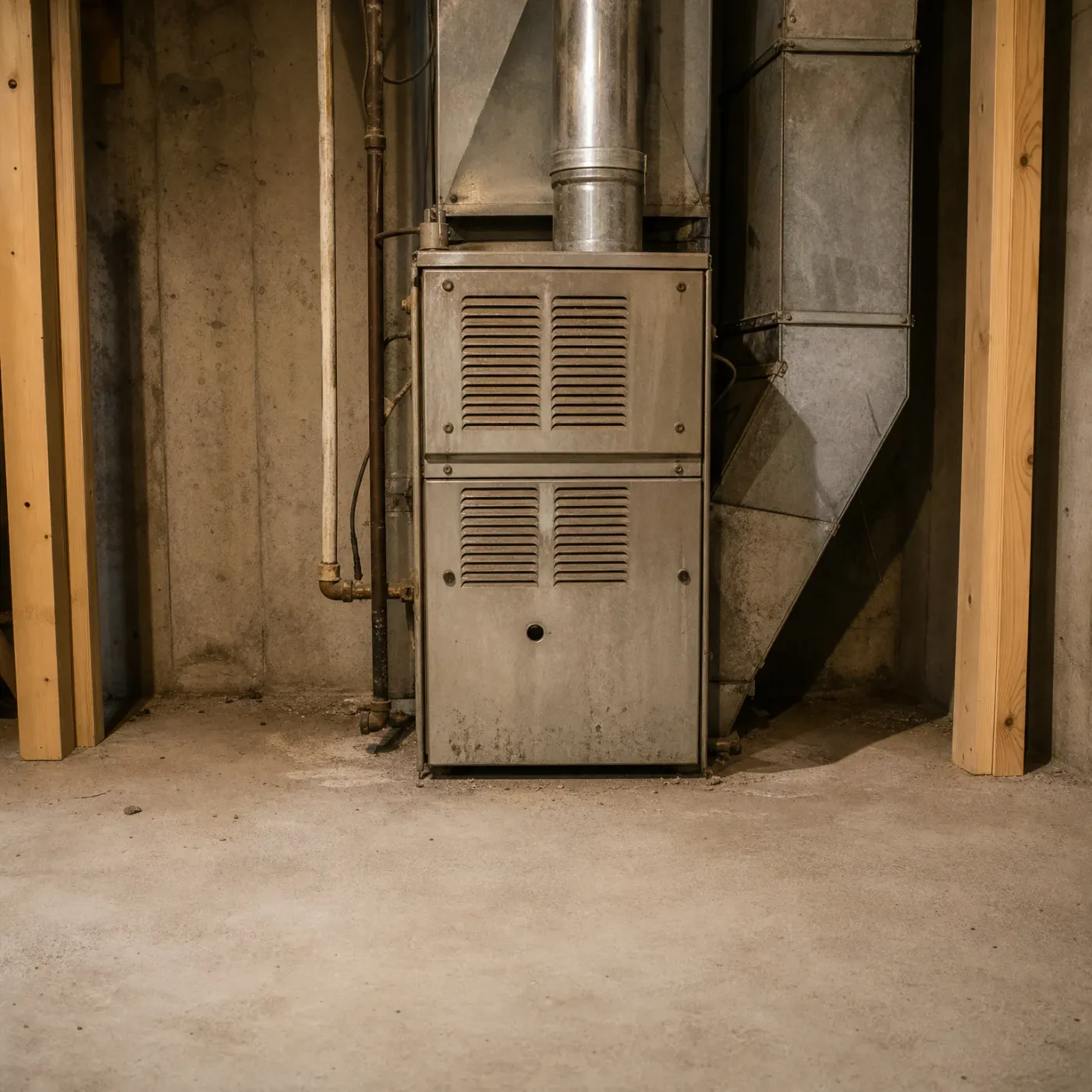
A metal furnace with louvered panels stands against a concrete basement wall, connected to sheet-metal ductwork and a round flue pipe, with wooden framing posts and a pipe nearby.
Before you get your furnace maintenance
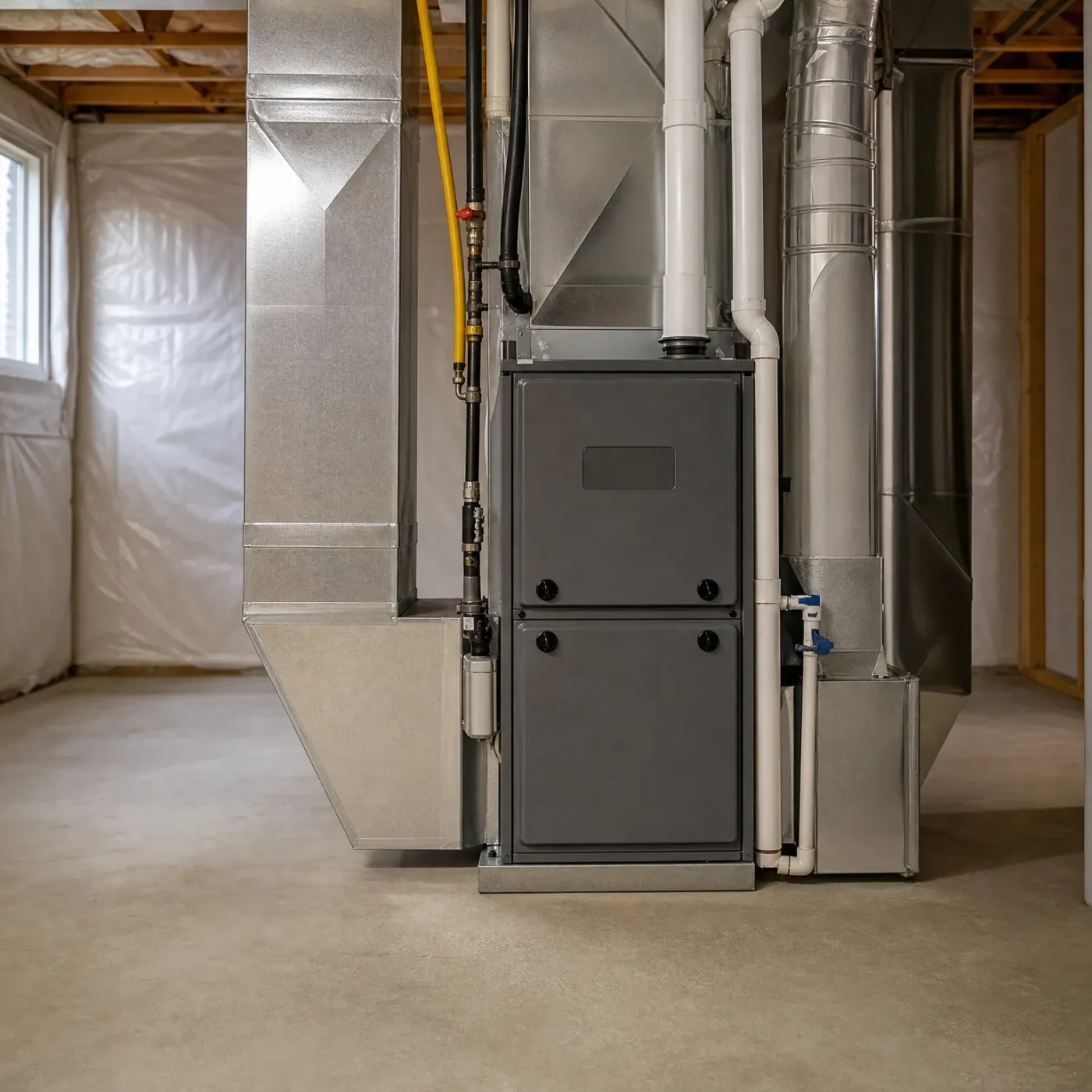
A gray gas furnace stands on a concrete basement floor, connected to sheet-metal ductwork, white PVC vent pipes, and a yellow gas line, with plastic sheeting covering the walls.
After you get your furnace maintenance

Skip the tune-up

You're the one calling oil companies and furnace repair shops, explaining the short cycling each time, then comparing quotes while the house gets colder.

Send my request

Send one form

A technician gets matched to your furnace and your address. No more calls to make, no more explaining the oil smell twice.

Send my request

Winter nights average 15°F statewide

Once those December nights settle near 15°F, your furnace stops cycling on and off and starts running long stretches just to hold the house steady. That's when a worn nozzle or a dirty strainer shows up as rooms that won't quite warm or an oil bill that jumps.

NOAA nClimDiv 1991-2020 county normals weighted by homes

Where that leaves you

  • A tune-up checks and cleans the nozzle, filter, strainer, and safety controls before the furnace has to run long stretches in the cold.
  • Catching a worn nozzle or clogged strainer now means fewer rooms that won't warm and less chance of a surprise oil bill in January.
  • A cracked heat exchanger gets found during the tune-up, before it becomes a carbon monoxide problem later in the season.
  • Sending one form replaces calling around to oil companies and repair shops and repeating the short cycling story to each one.
  • You skip comparing quotes while the house gets colder, since the matching happens once and the technician already knows your address and your furnace.
  • Once a technician is matched to the job, finding help stops being something you have to manage yourself.

A furnace tune-up before a New Hampshire winter comes down to a handful of parts: the nozzle, the filter, the strainer, the safety controls, the heat exchanger. Each one gets checked and cleaned while the furnace still has an easy load, so anything worn or clogged turns up now instead of on a 15 degree night in December. That's the whole job. It doesn't make the furnace new, and it doesn't make the oil bill disappear, but it catches the things that turn into cold rooms, carbon monoxide risk, or a repair call in the middle of January.

What changes once you send the form is what you don't have to do anymore. You don't call three oil companies and two repair shops to see who can come out. You don't explain the short cycling to each one, or try to describe the oil smell near the unit, or wait on hold while the house keeps losing ground. You don't sit with a stack of quotes trying to work out which one is fair. A technician gets matched to your address and your furnace, and from there it's their job to find the worn nozzle or the clogged strainer, not yours to find them first. The furnace still needs the work it needs. What's gone is the part where you had to manage finding someone to do it.

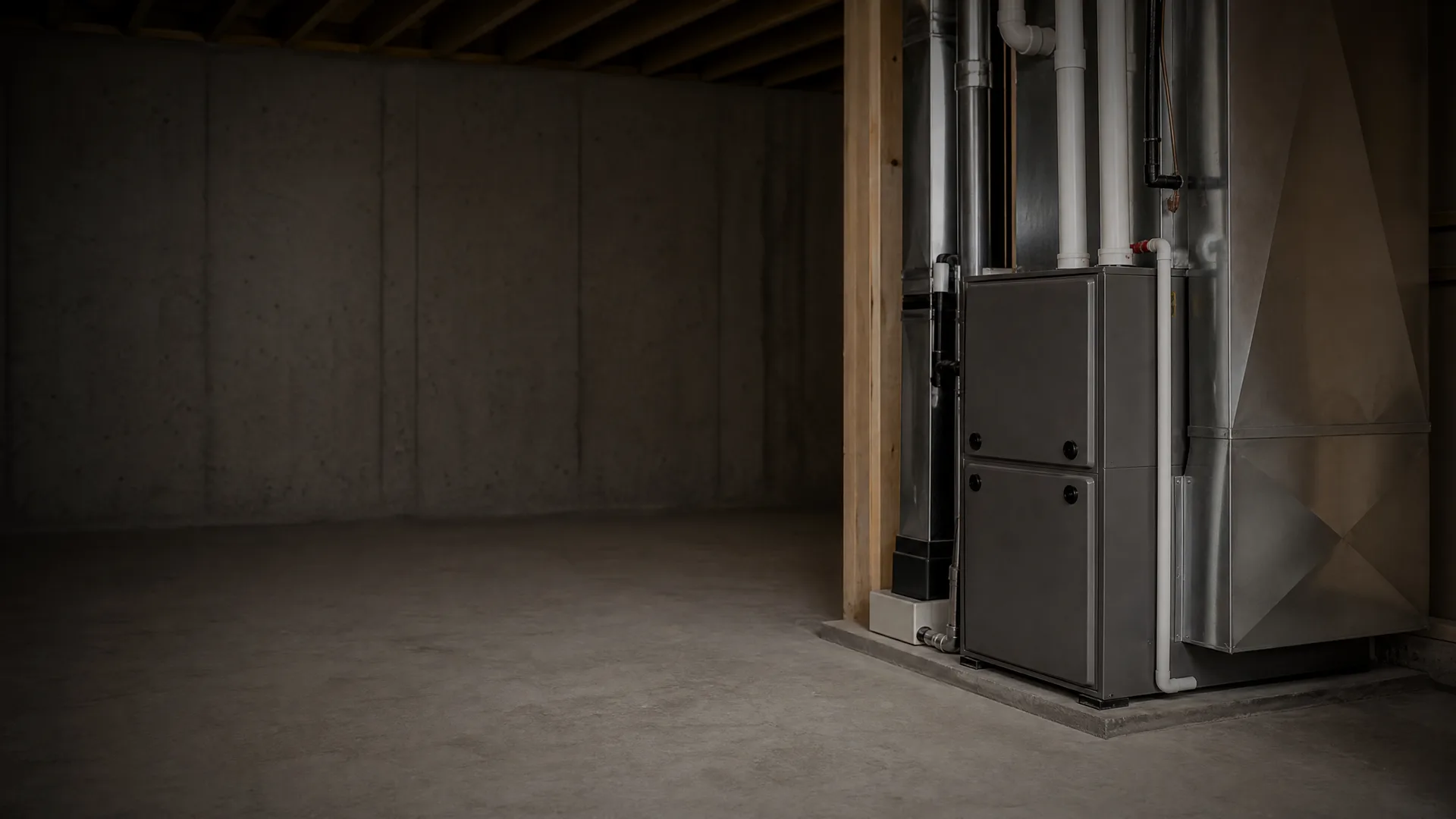
A gas furnace with attached PVC and metal piping and sheet-metal ductwork stands on a concrete pad in a dim unfinished basement with concrete walls and exposed floor joists.

Let someone else find the pro

Skip calling around to set up a furnace tune-up.

Step 1 of 3: Equipment