
What size furnace a New Hampshire home needs
Skip collecting and comparing quotes for the new furnace.
What size furnace do I need for my house in New Hampshire?
You want a straight number before a contractor shows up, not a guess. A furnace that's too big cycles on and off and never runs long enough to warm the house evenly. One that's too small runs constantly and still can't keep up when it's really cold out. With most homes here on oil and power costing what it does, getting the size right matters more than picking a brand.
It comes from a heat loss calculation, not your home's square footage
There's no chart that tells you the right size from square footage alone. A contractor figures it by calculating how much heat your house actually loses on the coldest days, which depends on your insulation, your windows, your ceiling height, and how the place is laid out. Two homes the same size can need different furnaces. New Hampshire winters push houses hard, so a furnace sized too small will run nonstop and still leave rooms cold, and one sized too big will short cycle, wearing out parts faster and heating unevenly. Getting the number right the first time matters more here than in milder places, since a furnace that's wrong for your house will cost you every winter it's in.

A contractor measures every room, window, and door to figure your home's heat loss.
That heat loss number, not square footage alone, sets the BTU output your furnace needs.
Your ductwork gets checked, since undersized ducts choke even a correctly sized furnace.
If you're on oil, the contractor also matches the burner nozzle to the new furnace's firing rate.




Get the size wrong in a New Hampshire winter and you feel it fast. An oversized furnace heats your living room in a hurry, shuts off, then kicks back on twenty minutes later, so the air near the thermostat swings warm and cool while the bedrooms down the hall stay cold. Each of those short cycles stresses the igniter and the blower motor, and with oil and electric rates here among the highest in the country, that waste shows up on your bill every month, not just the one time you notice the house feels uneven. Undersized runs the other direction. It never catches up on the coldest nights, so it runs for hours straight trying to close a gap it can't close, and that's the furnace most likely to need a repair call in February when a contractor's schedule is already full. A correctly sized furnace, matched to your home's actual heat loss, just runs long and steady and keeps every room close to the same temperature without you having to think about it.
No phone calls to make
One installer gets your project, so there's no bidding war over it.
No fee to send it, and nothing to sign.
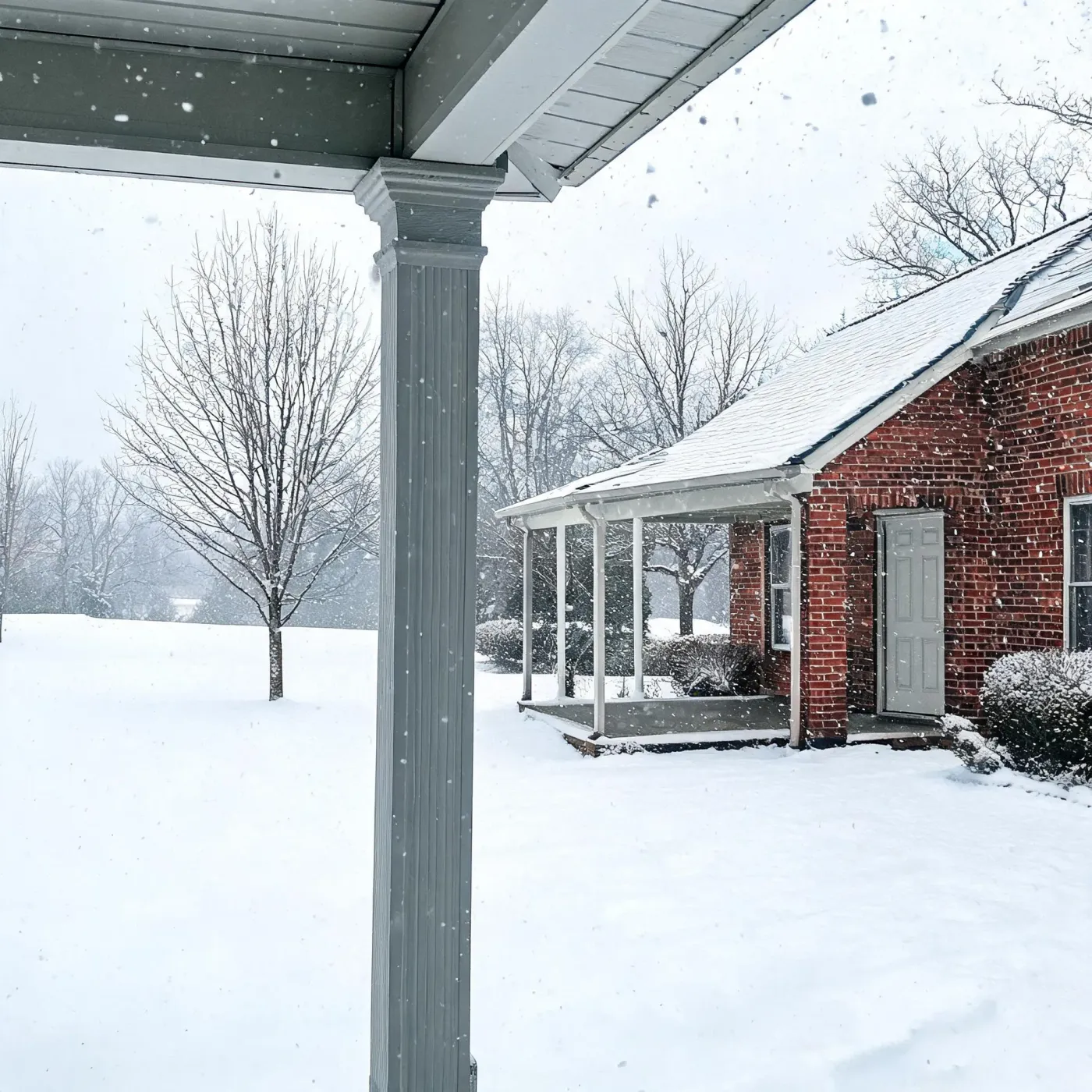
On a January night your furnace is fighting to hold the house against a statewide average of 15°F, and that's just the average, not the cold snaps that drop below it. A correctly sized furnace will run long and steady on a night like that, keeping warm air moving through the ducts for most of the evening instead of shutting off and on. If yours is undersized, you'll feel it as a house that never quite catches up: the thermostat reads your set temperature but the far rooms stay cool until morning. With oil heat and some of the highest power costs in the country, running the wrong size furnace through nights like these adds up fast. Source: NOAA climate normals
NOAA nClimDiv 1991-2020 county normals weighted by homes
Is your furnace actually sized right for your house
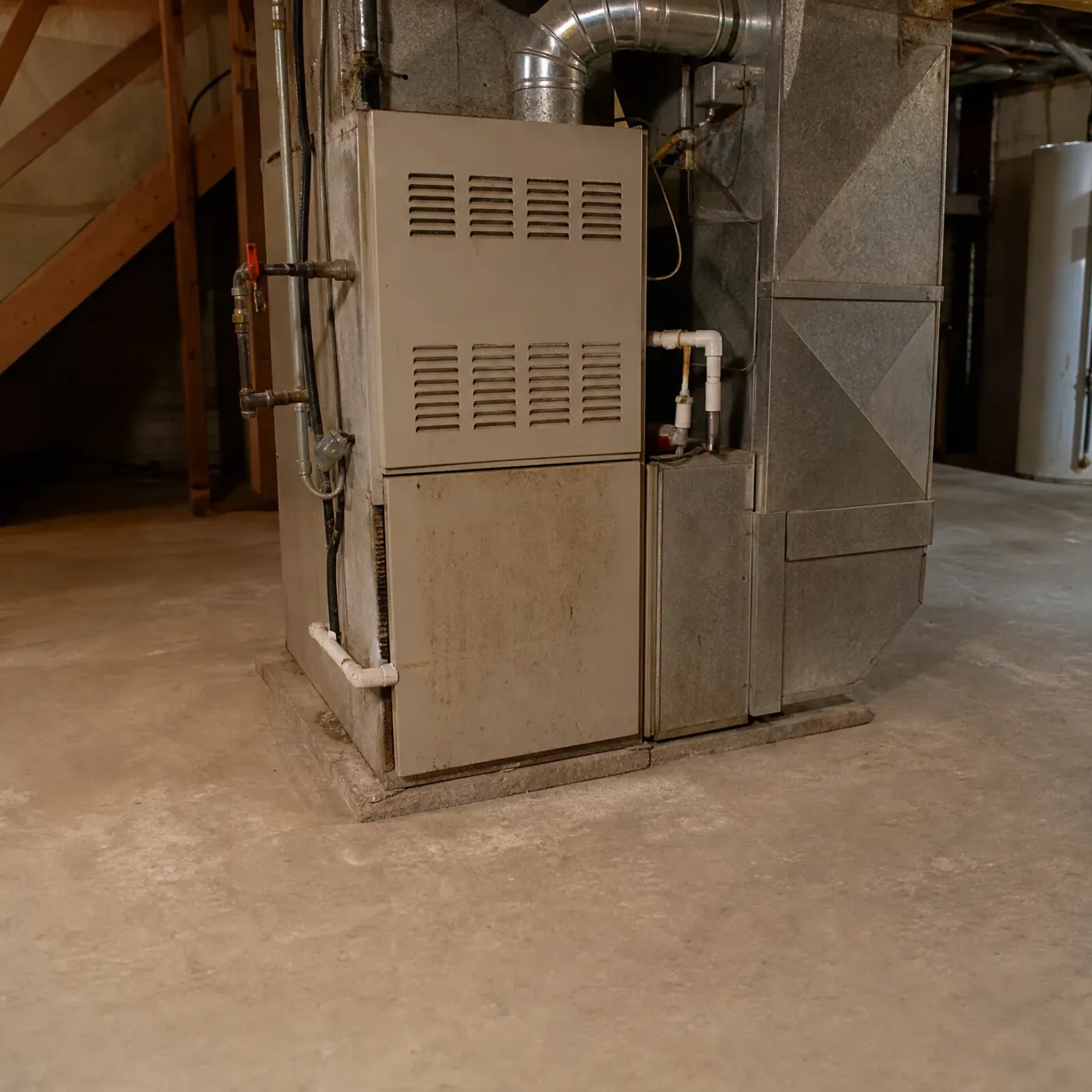
You probably already have a guess, just from living with it. Maybe one room runs cold no matter what the thermostat says, or the furnace clicks on, blows hard for a few minutes, then quits before the chill is gone. Maybe it runs almost nonstop on the coldest nights and the oil tank empties faster than it used to. You might hear the blower cycling more than it seems like it should, or notice the air coming out of the vents doesn't feel as warm as you'd expect. None of that is normal wear. It's the furnace working against its own size, burning more oil than it needs to and still leaving parts of the house underheated through a New Hampshire winter.


The right size, installed once
- A heat loss calculation, not square footage, is what determines the right BTU output for your furnace.
- Oversized or undersized, either one leaves rooms uneven and the furnace working against the house instead of with it.
- On the coldest nights a correctly sized furnace runs long and steady rather than short-cycling or struggling to keep up.
- A contractor who installs furnaces in New Hampshire homes all winter has seen what sizing mistakes do to oil systems and electric bills here.
- Working with one local contractor on this means one set of eyes on your ductwork and heat loss, not several opinions to sort through.
The answer to what size furnace your house needs isn't on a chart matched to square footage. It comes from a heat loss calculation that accounts for your windows, your insulation, your doors, the whole house as it actually sits. That number is what a furnace installation should be built around, not a rough guess based on the size of the last one. Get it wrong in either direction and you'll feel it: a furnace too big for the house short-cycles and leaves rooms uneven, one too small runs flat out on the nights you need it most and still can't keep up. Since most homes here heat with oil and power costs what it does in New Hampshire, a mismatch doesn't just mean an uneven house, it means paying for heat the system isn't using well. A contractor who installs furnaces in New Hampshire winter after winter has already seen what undersized and oversized systems do to oil use and to electric bills in homes like yours, because that's the work, not a guess made once and forgotten. That's who gets matched to the job, one licensed local contractor who looks at your actual ductwork and heat loss number, not a handful of companies giving you a handful of different answers to sort through on your own. You end up with one straight answer about the size your house needs, from someone who has to stand behind the install once it's running.

One form, no calling around
Only one pro gets your request, so you hear from one company.
Sending the form costs nothing.