Burning clean
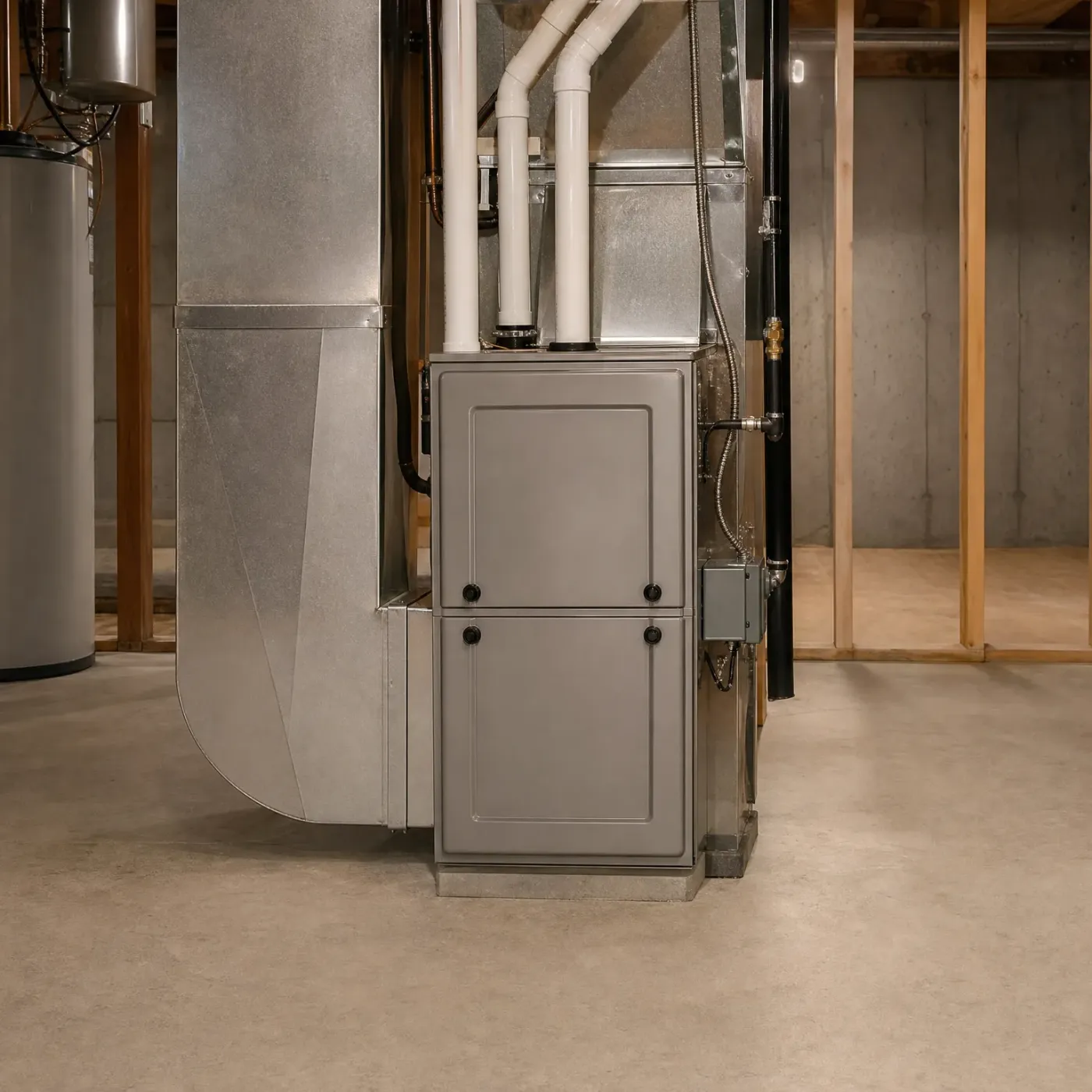
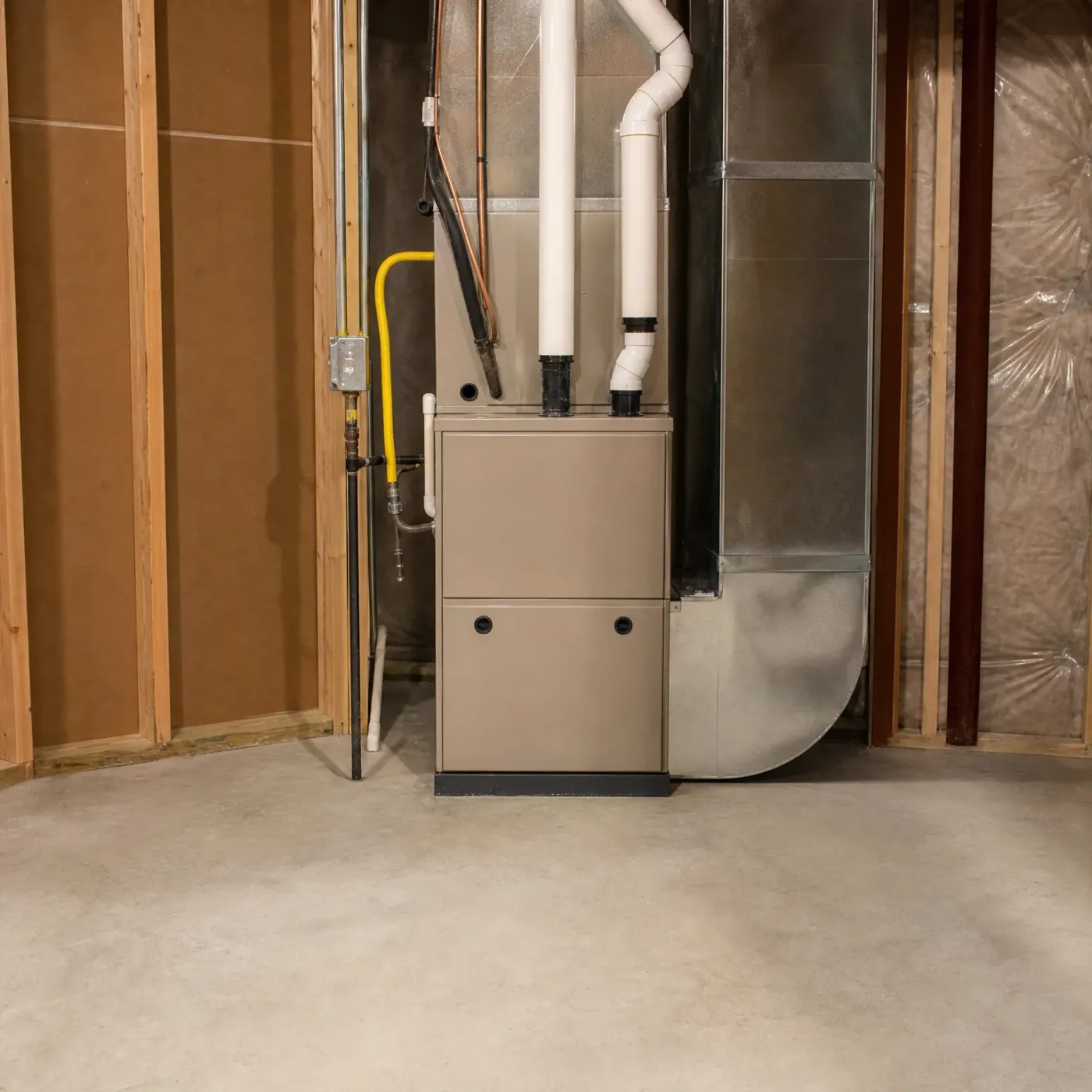
A furnace with a clear flame and a tight cabinet holds whatever number you set on the thermostat. The ductwork and gas lines stay dry, the PVC vent pipes draft the way they're supposed to, and the unit cycles on and off without strain.

Most people here keep the thermostat between 68 and 70 during the day and drop it to 62 or so at night. That range keeps the furnace running in steady, shorter cycles instead of struggling to recover from a deep setback, which matters when outside temperatures sit in the teens or below for weeks at a time. Going much lower overnight sounds like savings, but a furnace working to pull a cold house back up to 68 on a frigid New Hampshire morning runs longer and harder than one holding a steady temperature. If you heat with oil, those long recovery cycles burn through your tank faster than most people expect. A programmable or smart thermostat set for a modest nighttime drop, rather than a dramatic one, tends to work better here than anywhere milder. Whatever setting you land on, the furnace needs to be able to keep up with it, and that comes down to how well it's been maintained going into the season.


An oil furnace doesn't hold a single flame at low simmer. It fires the burner, heats the air to a set point, shuts off, and waits for the house to drop far enough to call for heat again. That gap between shutoff and restart is the thermostat differential, usually just a degree or two. A furnace holding steady at 68 is doing short, easy cycles all day. Ask it to climb back from 62, and the burner runs long and hard until it closes that gap, which eats into the savings a deep setback is supposed to give you. This is why a small overnight drop, a degree or two for several hours, often costs less than a sharp drop for just an hour before someone wakes up and cranks it back. A programmable or smart thermostat helps here, because it can start the climb an hour before you're up instead of all at once. It's also worth knowing the thermostat only reads one room. If your ductwork runs through a cold basement or an unheated attic on its way to a bedroom, that room can run several degrees behind whatever the thermostat says. And if the house will sit empty for a stretch, don't chase savings down past the mid-50s. Oil systems still need to keep pipes from freezing, and that floor matters more than the bill.




Your oil furnace doesn't care what the thermostat says in theory. It cares how hard it has to work to get there. Hold it steady through the day and it cycles on and off in short bursts, which is the cheapest way to run it. Chase it up and down and you're asking it to recover from a cold start twice a day, and that recovery is where the oil goes. You'll see the difference less in the house and more on the delivery slip after a cold week. Watch the rooms too. One that stays cold no matter the setting is usually telling you something about the ductwork or the insulation above it, not asking for a higher number on the wall. And on the nights that drop near zero, don't let the setback go too low. A furnace recovering from 60 degrees on a night like that can leave pipes on an outside wall sitting cold for longer than you'd want. If the furnace is running nonstop and the house still isn't catching up, that's worth having looked at before it quits on you.
You've already got the thermostat where it should be. What keeps an oil furnace holding that number without guesswork is a technician who's been inside the burner, checked the nozzle and the draft, and confirmed the limit switch is doing its job before a cold snap finds it first. Oil furnaces don't give much warning when they're about to short-cycle or soot up, and with heating oil priced the way it is in New Hampshire, a furnace running inefficiently costs you more every week it goes unchecked. Finding someone to look at it usually means calling a few numbers, explaining the same thing three times, and waiting to hear back while the temperature outside keeps dropping. Submitting a request here means one contractor who services your area gets in touch with you directly, so you're not stuck chasing quotes while your house sits at whatever temperature the furnace can actually manage, instead of the one you set.
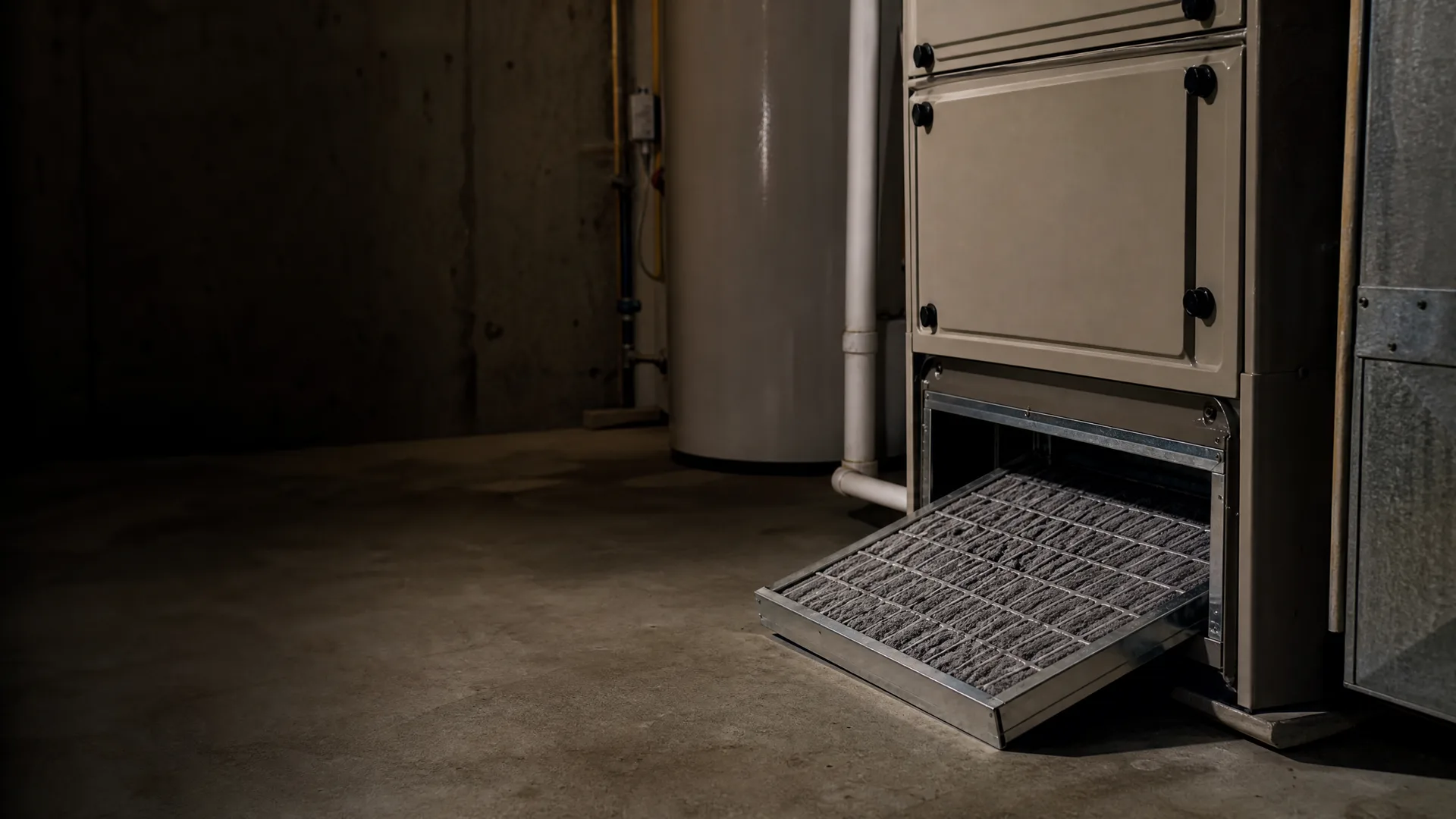
You're down in the basement on an October afternoon, filter half out of the slot, and it's grey all the way through with dust. The furnace has been running since you nudged the thermostat up a few weeks back, and you only came down to check a smell. Upstairs the house reads 68, steady, same as it has for days. Down here you're holding a filter that hasn't been changed since before the weather turned, and the unit's pulling air through it anyway, working harder than it needs to for the same 68 you set. You slide it back in for now and make a note to deal with it before the cold really settles in.
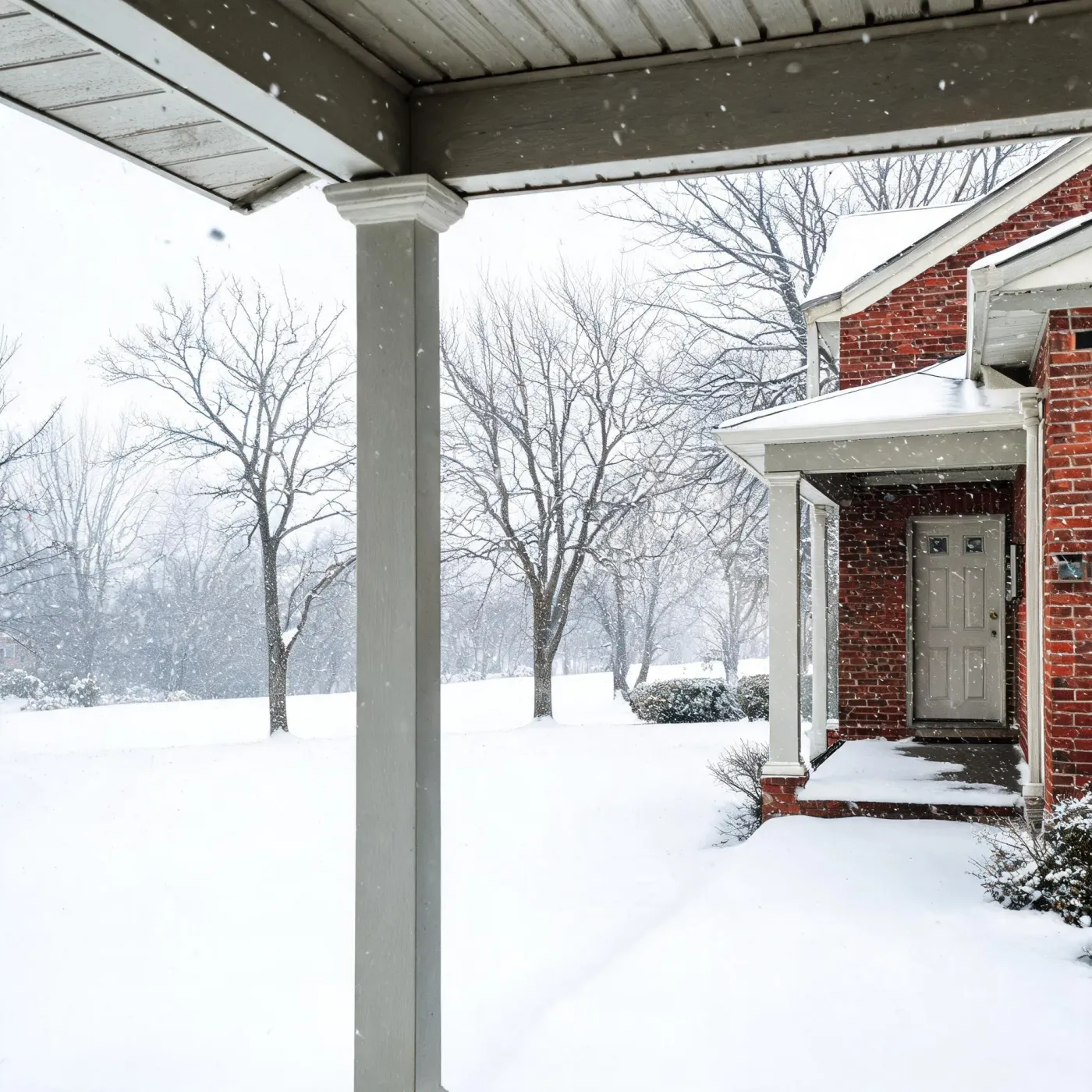
Winter nights here average 15°F across New Hampshire, according to NOAA climate data. That's the number your furnace works against on most nights from December through February, not just on the handful of bitter cold snaps. At 15 degrees outside, a furnace set to hold 68 is cycling on often, recovering heat the house loses through the night. You'll notice it most if you're up late or get up before the thermostat kicks back up at 6: the floors are cooler, the burner sounds like it just caught. That's normal for a furnace doing its job at that setting. What it shouldn't be doing is running longer than it used to just to reach the same number.
NOAA nClimDiv 1991-2020 county normals weighted by homes
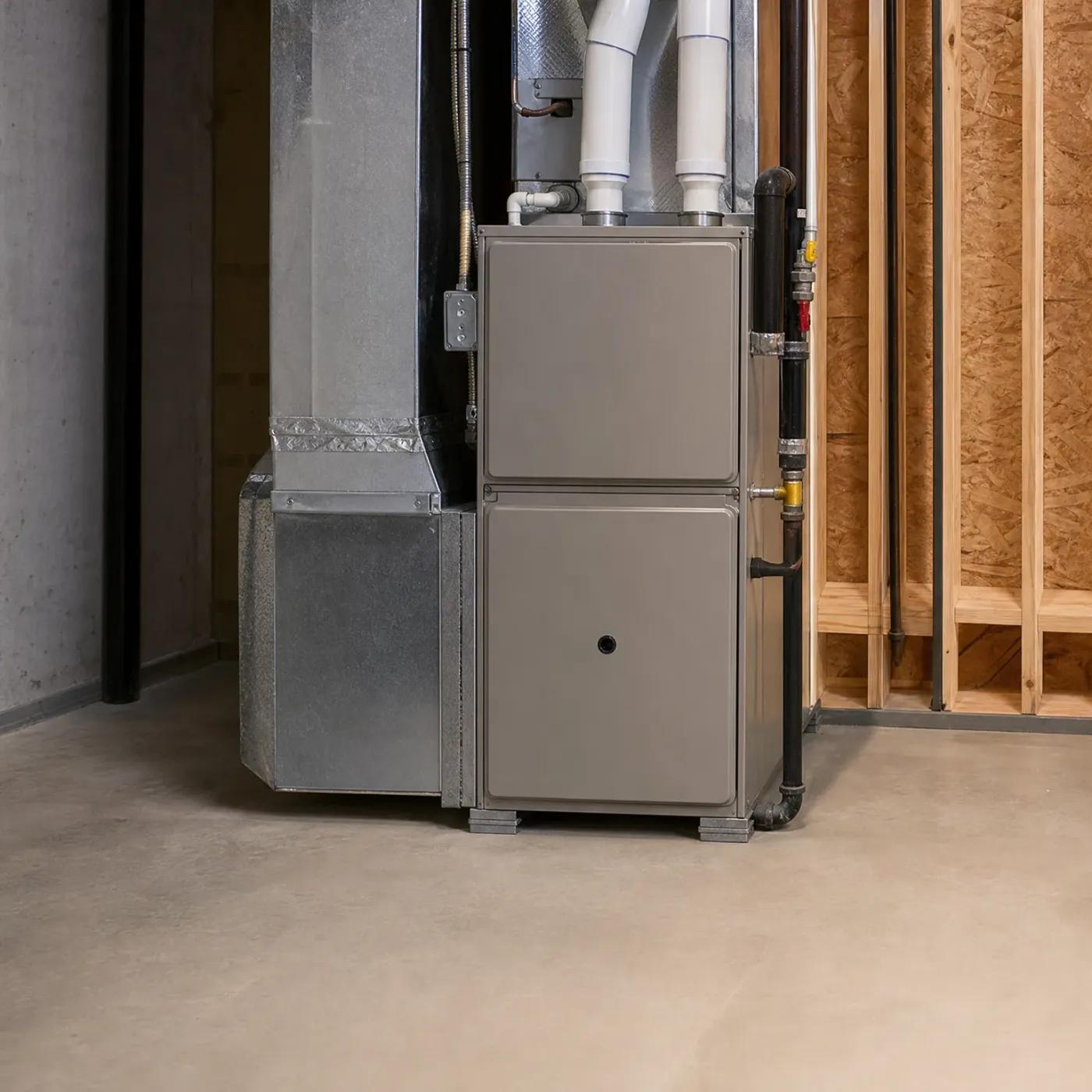
A furnace with a clear flame and a tight cabinet holds whatever number you set on the thermostat. The ductwork and gas lines stay dry, the PVC vent pipes draft the way they're supposed to, and the unit cycles on and off without strain.
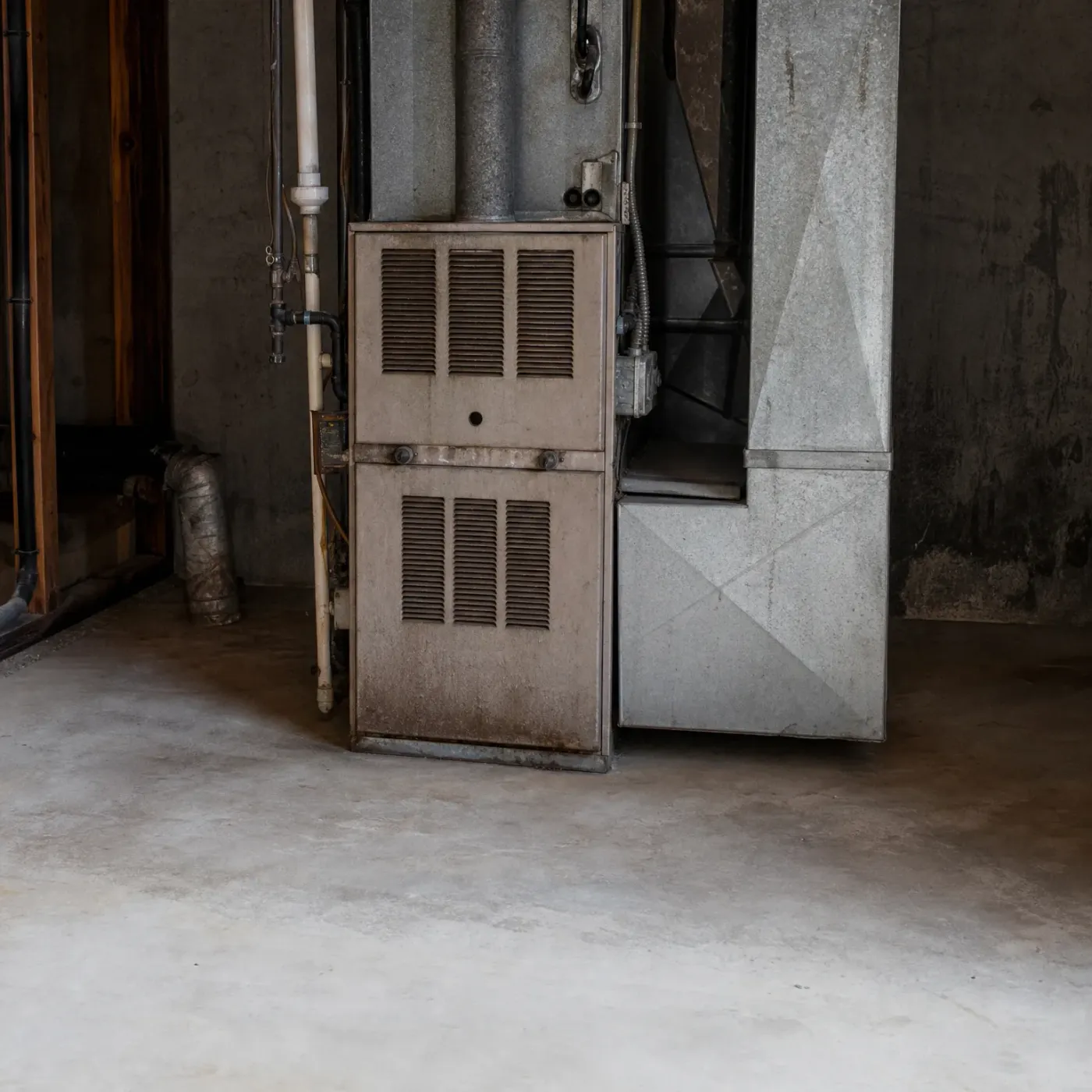
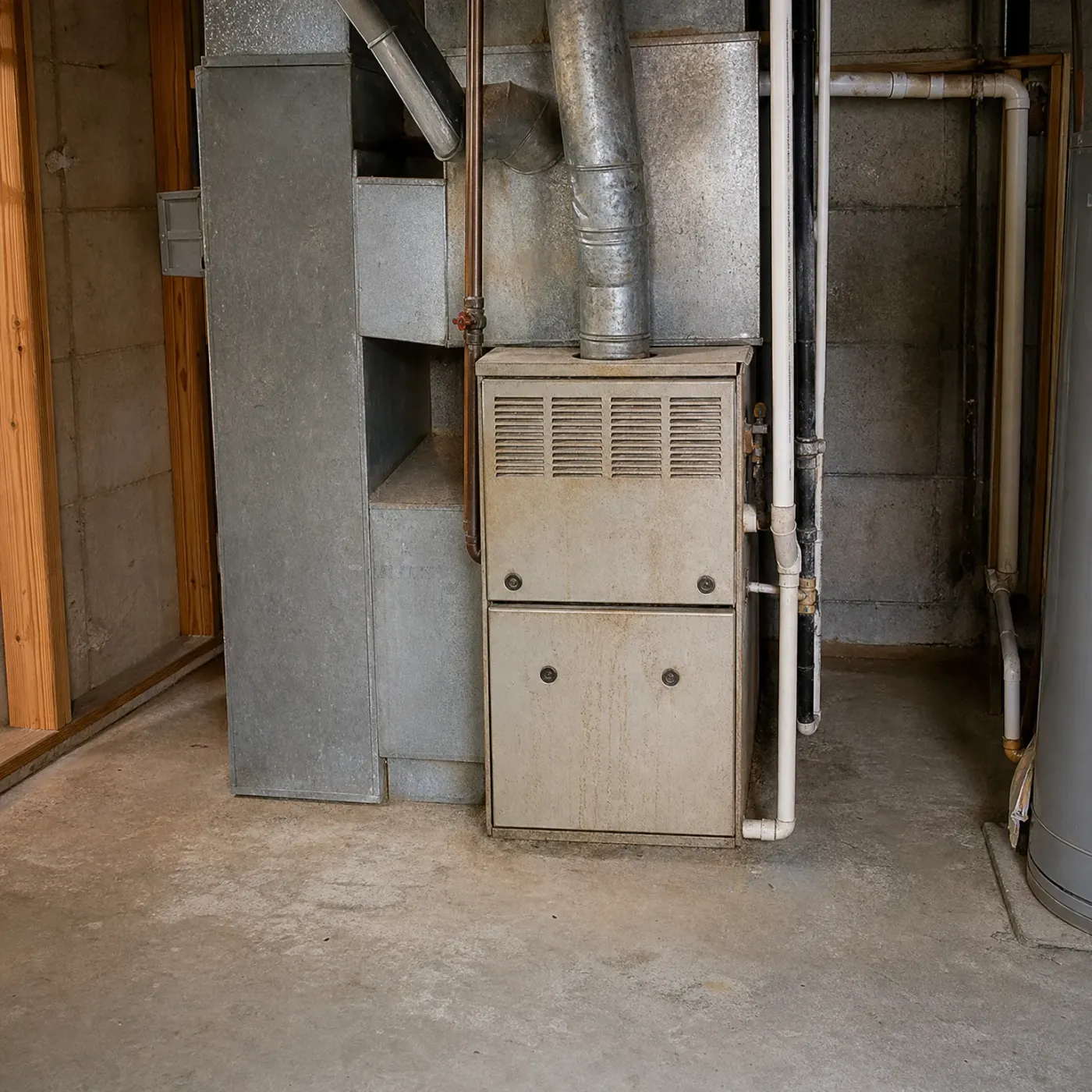
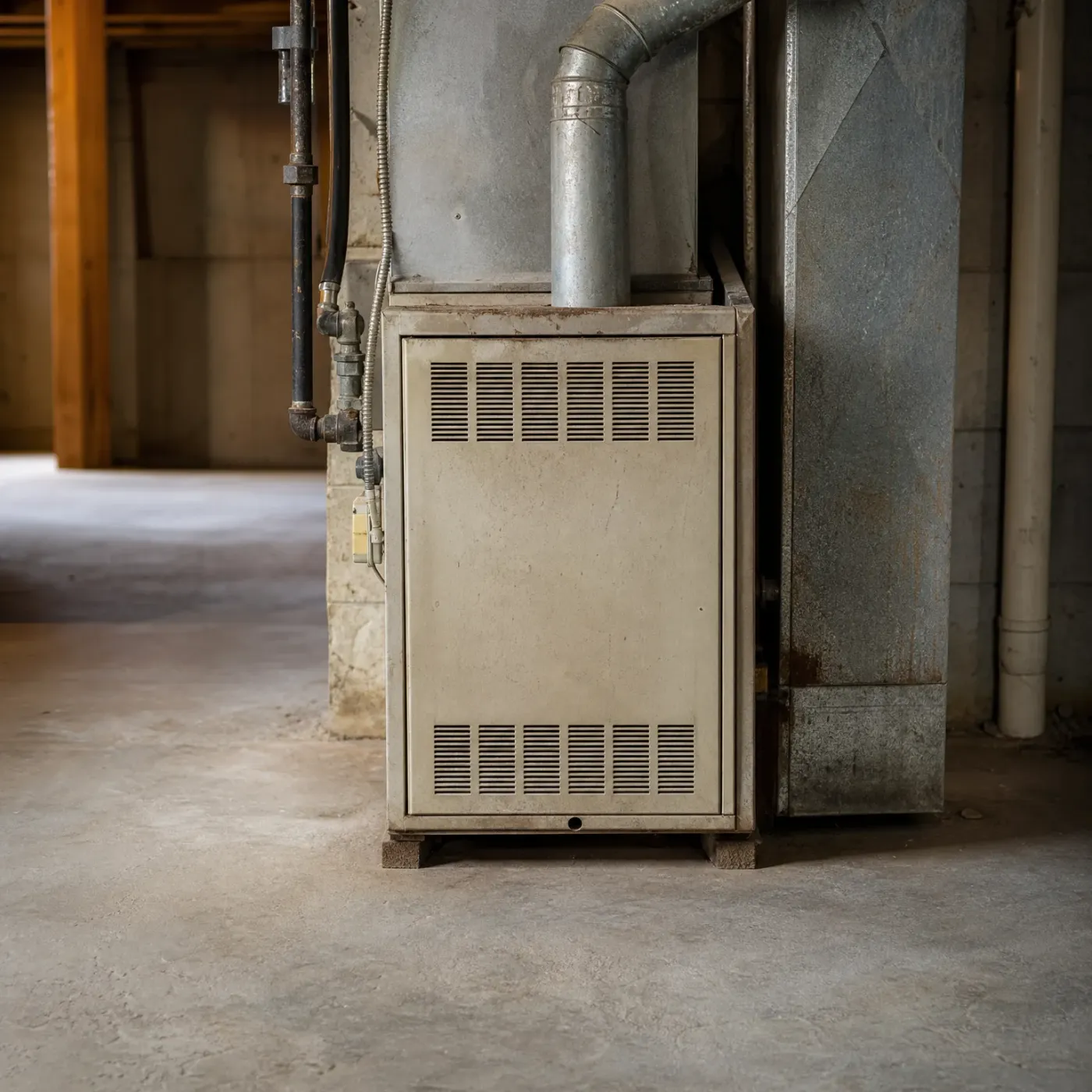
An older furnace with moisture staining on the walls around it is working against more than the cold outside. Rust and damp air near the cabinet point to a draft or condensate problem, and a unit fighting that will run longer to hit the same setpoint you picked.
That 15 degree average isn't the worst of it, it's the typical night. Your furnace is sized to hold 68 or 70 against that kind of cold for months, not just for a stretch of bad weather. A nozzle or draft problem shows up on an ordinary night, not just the coldest one.
NOAA nClimDiv 1991-2020 county normals weighted by homes
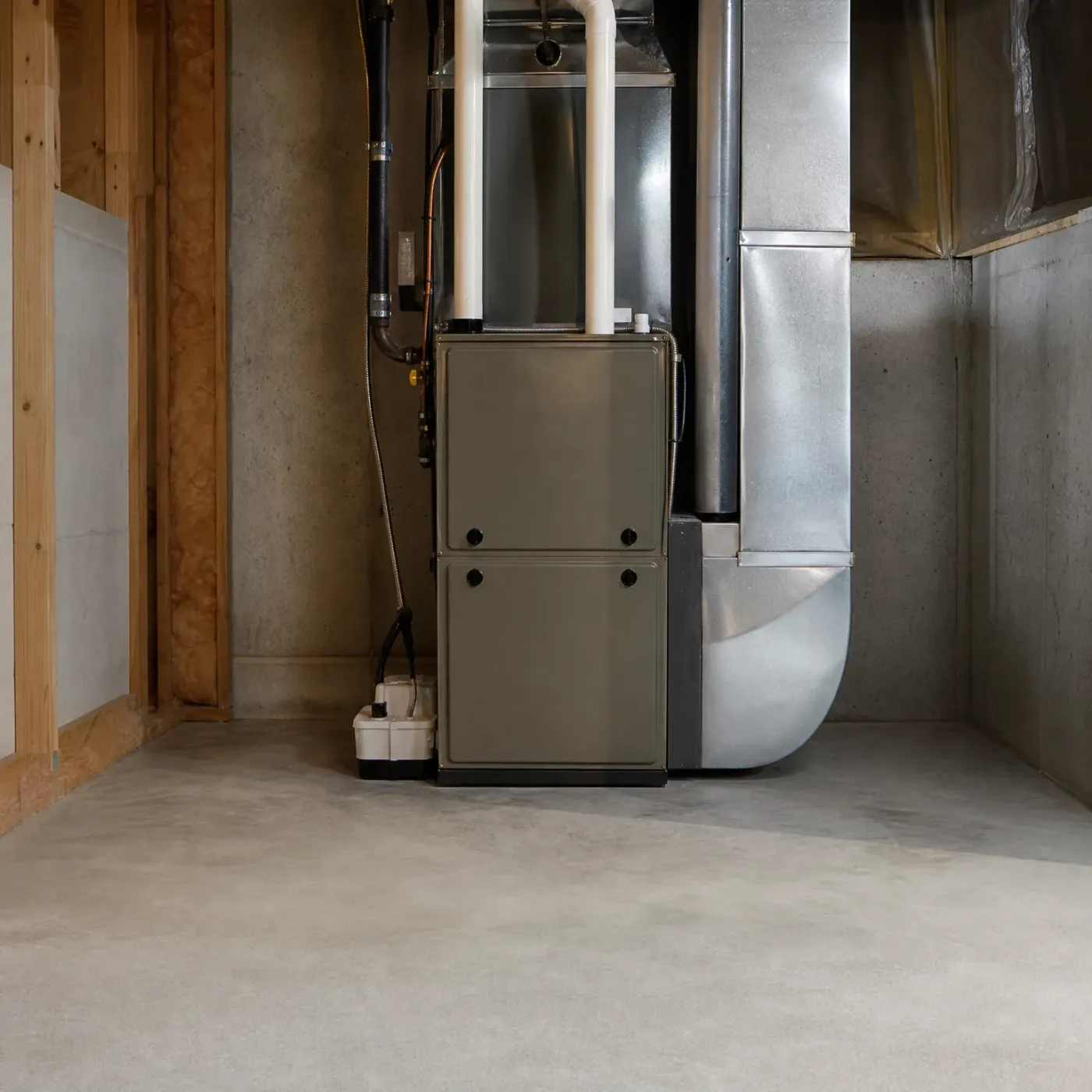
This is what holds your thermostat number without a fight: a clear flame, a dry condensate pump doing its job, flue pipes venting the way they're built to. Set it to 68 and the burner cycles on and off in short, even runs instead of laboring. A maintenance visit is what keeps a furnace looking like this instead of drifting toward the other side.
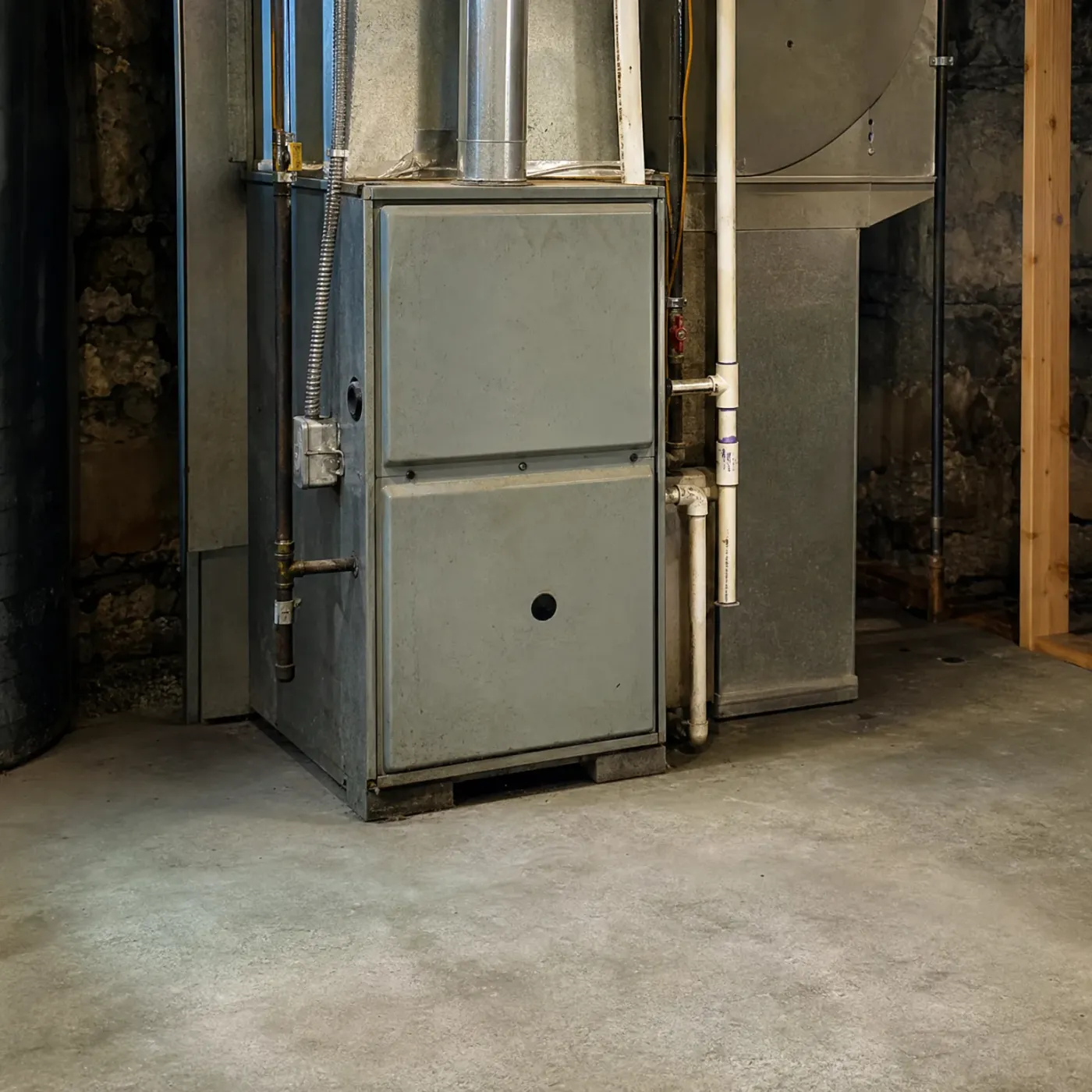
Older gas lines, corrugated tubing, and condensate pipes crowded into a stone and block basement wear differently than a newer setup. A furnace like this can still run, but a fouled nozzle or a weak draft makes it fight your setpoint all winter, burning oil to chase a number it can't quite hold, leaving a room upstairs colder than you set it to be.

That's the number. The part that decides whether your furnace holds it without strain is maintenance, not the thermostat dial. A clean nozzle, a good draft, and a limit switch that's been checked do more for your winter than any setback schedule.
You already know what it's like trying to find someone for this in January, when half the oil furnaces in your town are doing the same thing yours is. Calling around, waiting on quotes, explaining the same cold room three times to three different people. Getting matched with a contractor who knows oil systems and has you on the schedule before the hard cold sets in means you're not the one doing that legwork. You picked your number. The rest is getting someone qualified to make sure the furnace can actually hold it.

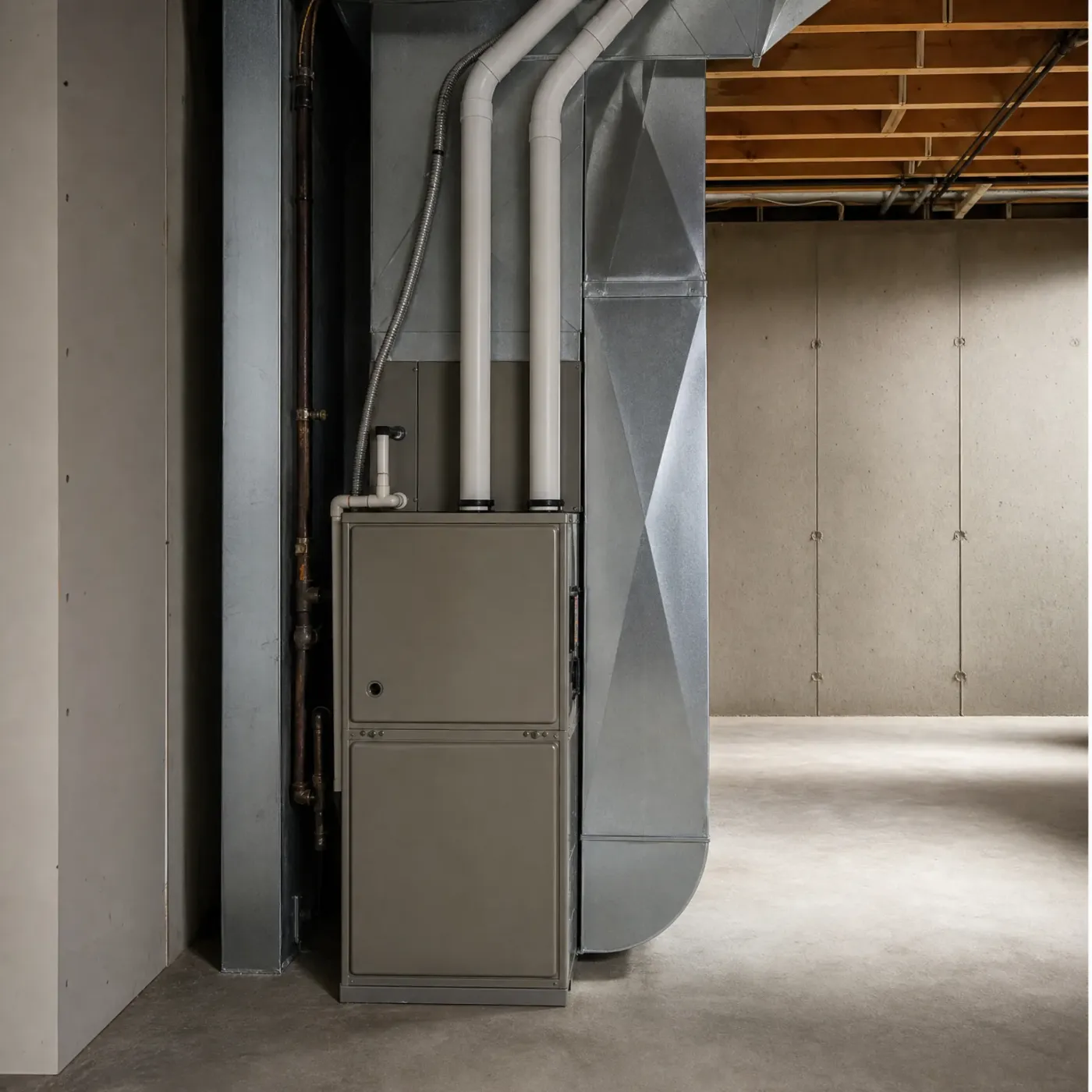
Explain the job once and skip repeating it on every call.
You only hire the pro if you want to.