




Why your furnace is blowing cold air in New Hampshire

Step 1 of 3: Equipment

Why is my furnace blowing cold air?

You turn the thermostat up expecting warm air and instead the vents are pushing out air that feels cold, maybe even colder than the room. With most New Hampshire homes running on oil heat, this can mean a few different things, from something harmless to something that needs a technician before the house gets too cold overnight. You want to know if this is a quick fix or a sign of a bigger problem.

Usually the burner isn't lighting, or it shut off right after it started

A furnace blows cold air when the blower is running but the burner isn't producing heat to warm it. On an oil furnace that often means the burner failed to ignite, the oil nozzle is clogged, or the flame sensor shut the system down as a safety measure before it could heat the air. Sometimes it's simpler: the system is still blowing residual air from the ductwork at the start of a cycle, and warms up within a minute or two. If the cold air keeps coming and doesn't turn warm, the furnace needs a technician to check the burner and ignition before the house loses heat on a cold New Hampshire night.

A woman with dark hair in a bun wearing a cream knit sweater sits on a gray sofa in a bright living room, looking off to the side.
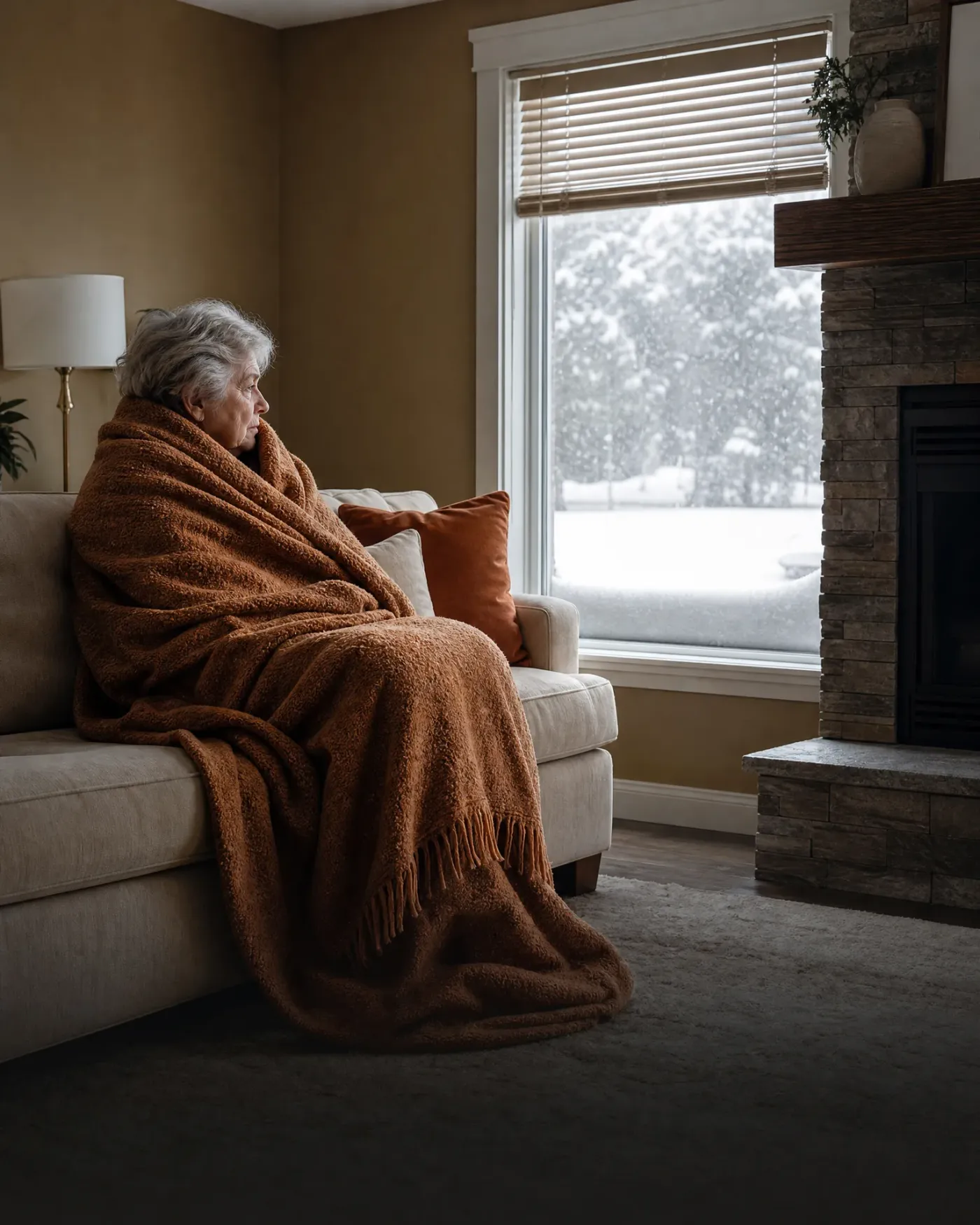
A woman wrapped in a knit blanket sits on a gray sofa in a living room, looking toward a bright window with houseplants and an armchair in the background.
A woman in a gray cowl-neck sweater sits on a light sofa with cushions, smiling and looking to the side, with a kitchen and window visible behind her.
A woman with dark hair in a bun, wearing a light linen shirt, sits on a sofa and looks to the side, with a window, houseplants and a kitchen with pendant lights blurred behind her.

Quick Blast or Steady Cold

Short Blast of Cold

  • The burner is cycling on ignition delay, so cool air pushes through the ducts for a few seconds before the flame catches.
  • Oil furnaces often push a brief draft of room-temperature air before the burner fires, which can feel cold next to a warm room.
  • If the air warms up within half a minute or so, the furnace is likely working as it should.
  • A dirty flame sensor or a weak igniter can stretch that cold blast longer than normal without stopping heat altogether.

Steady Cold Air

  • If the blower runs but no warm air ever comes, the burner isn't lighting or isn't staying lit.
  • An oil furnace that won't ignite could have a clogged nozzle, bad oil filter, or an empty tank.
  • A furnace stuck on fan only, blowing room-temperature air nonstop, usually points to a thermostat set to "on" instead of "auto" or a stuck relay.
  • Given what oil runs here, a furnace pushing cold air for more than a few minutes is worth having looked at before it runs all night that way.
  • A tripped reset button on the burner that keeps tripping again means something is actually wrong, not just a one-time fluke.
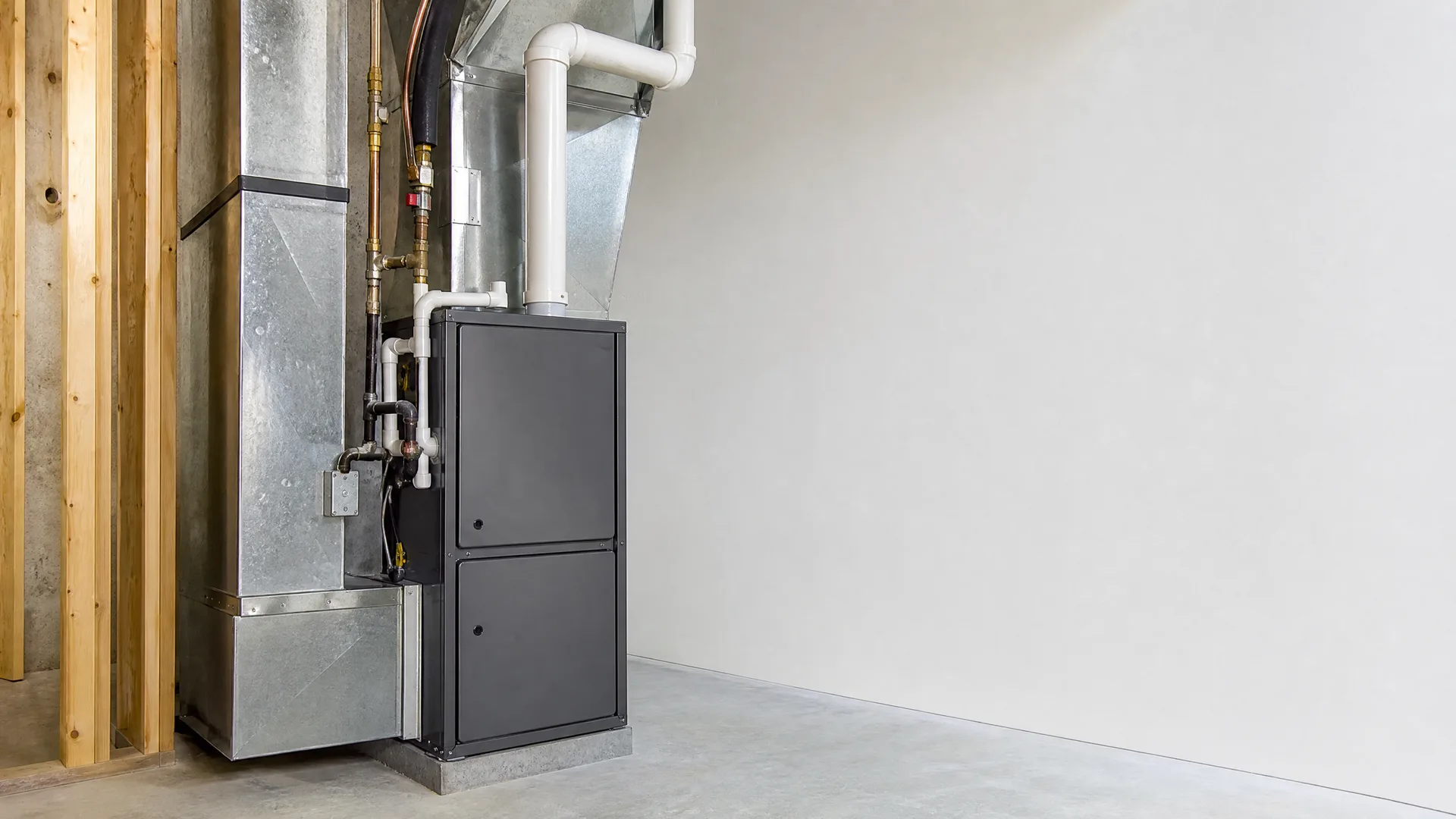
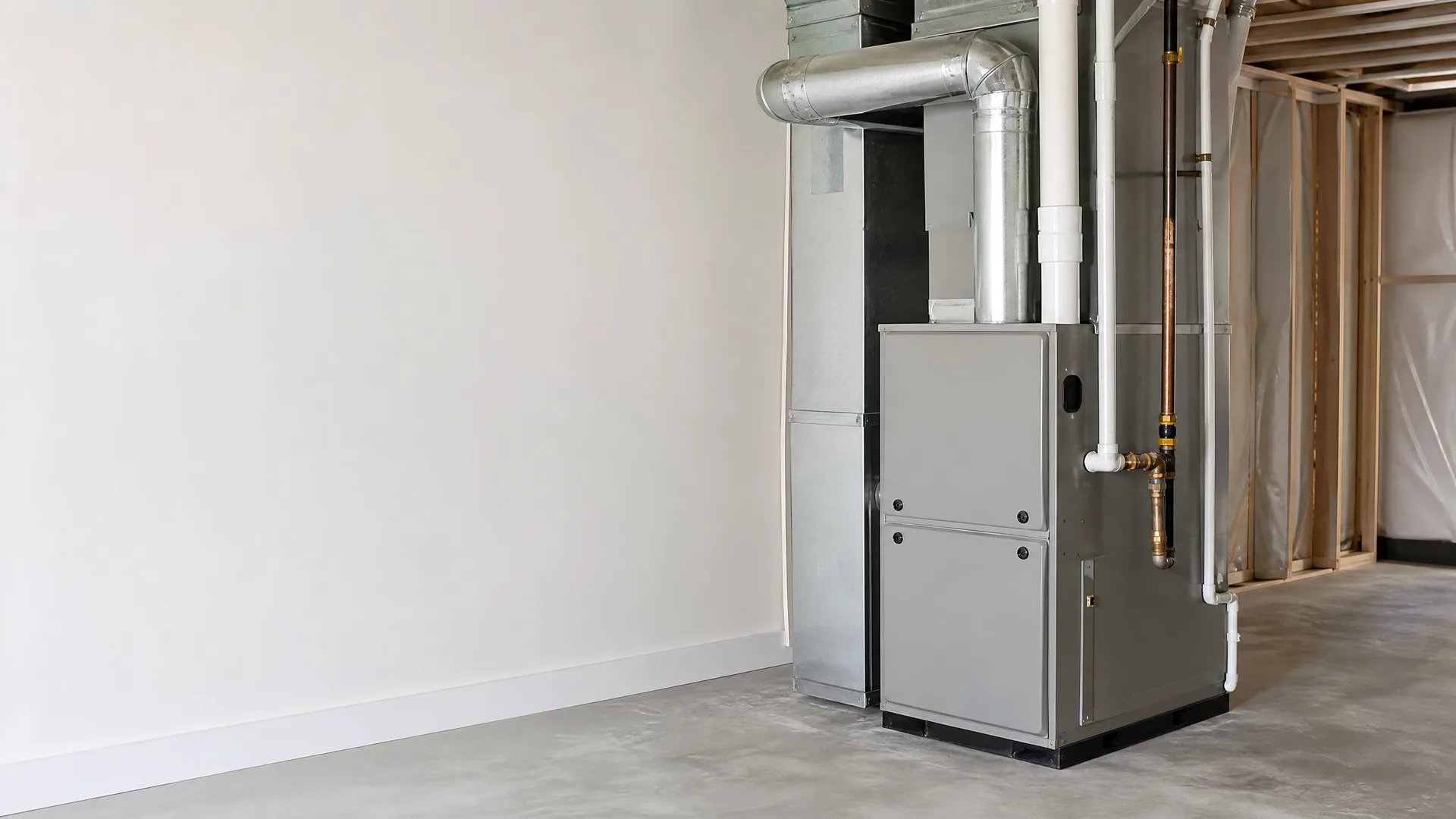
A dark gray furnace connected to galvanized sheet-metal ductwork, white PVC vent pipes and copper piping, standing against a plain light wall in a room with a bare concrete floor and exposed wood framing at left.

Why oil furnaces lose the flame

An oil furnace needs the igniter, the nozzle, and a clean flow of fuel all working together to light the burner. If the nozzle is partly clogged or the igniter is worn, the flame can fail to catch, or catch and then drop out partway through the cycle. The blower often keeps running on its own schedule, so it pushes air through the ducts even after the flame has gone out. That is what reaches the vents as cold air.

A gray high-efficiency furnace with sheet-metal ductwork, white PVC vent pipes and copper piping stands against a wall in an unfinished basement with a concrete floor and insulated wood stud framing at right.

What the thermostat has to do with it

A furnace that is actually running but set to a fan-only mode will move air through the house without heating it. Some thermostats have a setting for this, meant for circulating air without the burner on. If that setting got switched by accident, or a wiring fault is holding the fan on, the vents will blow at room temperature no matter how high you set the heat.

A woman stands in the open black front door of a white-sided house with a dark shingled roof while a man in a navy jacket approaches along the walkway, with lantern wall lights, a potted shrub, and flowering garden beds nearby.

What a cold furnace means for your house tonight

If the burner won't stay lit, your oil furnace is pushing air through the ducts without ever heating it. The thermostat reads warmer than the house actually feels, so you may not catch how far the rooms have dropped until someone in the house says they're cold. With power costs in New Hampshire among the highest in the country, running the blower on a furnace that isn't firing is paying to move cold air around, not a small thing to let ride for a few days while you decide what to do.

A furnace that's dropping its flame usually keeps doing it, and it tends to get worse before it gets better. A local contractor who works on oil furnaces all winter has likely seen the same nozzle or igniter problem in a dozen other houses nearby this season. Get matched with one who takes your call directly, and you're not stuck waiting on hold with a dispatcher who's never seen your equipment.

Interior corner of a dining room with a round wooden table, a ceramic vase holding olive branches, a dark spindle-back chair near a curtained window, and a sideboard with a lamp against beige walls.
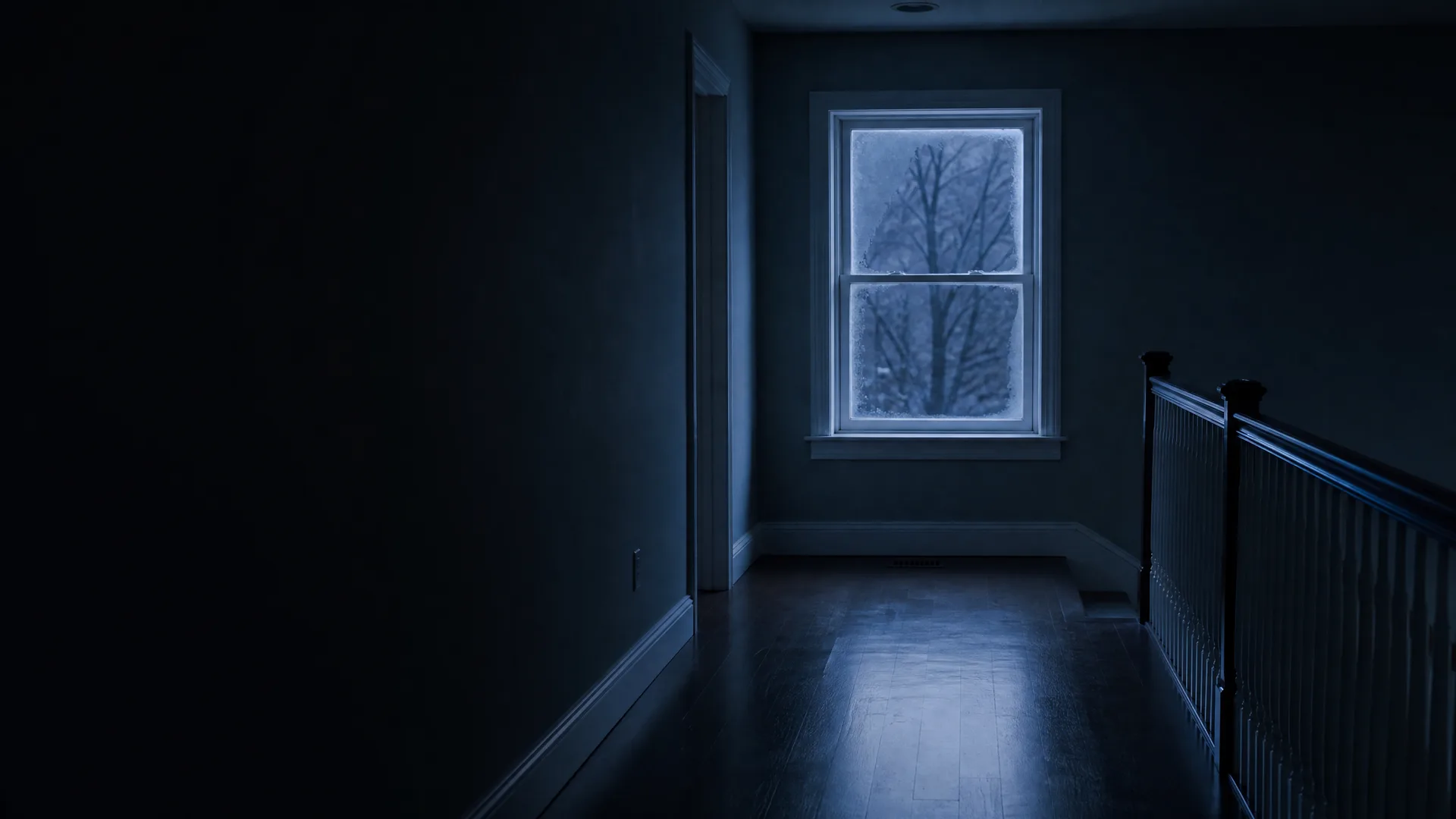
A dark interior hallway with a dark wood floor, a floor vent, a doorway on the left, and a stair railing on the right, lit only by a tall double-hung window showing bare tree branches outside.

You wake up without meaning to. The house is quiet in the way it gets when the burner isn't firing. Down the hall, the vent near your kid's door shows nothing, no hum, no draft, just the register frosted faintly at the edges where the window leaks a little cold through its frame. It's past two. Outside the glass, nothing moves. You stand there in the hallway long enough to feel the floor through your socks, and that's when you know it isn't your imagination. Somewhere between the tank and the ducts, the flame went out and didn't come back, and nobody in this house should find that out at sunrise. A local contractor who knows oil furnaces can tell you what failed before the cold settles any deeper into the rooms where your family sleeps.

Get the right pro for your furnace

A furnace that won't hold a flame is not a small thing to live with when the power to fix it costs what it does in New Hampshire. Running the blower on a burner that keeps dropping out just adds to that bill without warming a single room. Oil furnaces fail in a short list of ways: a clogged nozzle, a worn igniter, fuel that isn't reaching the burner clean. Someone who works on these systems all winter has usually seen your exact problem before, more than once, and knows which of those to check first instead of guessing. That's the difference between a visit that fixes it and one that doesn't. Putting in a request here sends it to one licensed contractor near you, not a handful competing for the job, so you're dealing with one person who knows your equipment and your answer, not a line of callbacks. Cold air tonight is worth sorting out before it's cold air for another week.

Call Tonight If This Is True

If the air coming out is flat-out cold and stays that way, or if you smell oil near the furnace, or the burner won't stay lit at all, that's not something to sit with until morning. A furnace that's lost its flame for good will keep the blower running on room-temperature air, and the house will keep losing ground the longer it runs. Oil smell near the unit means fuel isn't burning clean, which is a reason to shut the furnace down and get someone out rather than wait. The same goes if the burner is kicking off repeatedly instead of holding steady.


It Can Likely Wait Until Morning

If the cold air is just that first short blast before the burner catches, or the house is holding close to the right temperature even if it took a little longer than usual, you're probably looking at a minor issue rather than a failure. A thermostat that's slightly off, a filter due for a change, or a furnace that's simply cycling longer on a cold night are things that affect comfort without putting the house at risk. Keep an eye on the thermostat setting against how the rooms actually feel, and call when it's convenient rather than treating it as an emergency.

Winter nights average 15°F statewide

At 15°F, a furnace that loses its flame for even a few minutes lets a house cool fast. If your burner keeps dropping out tonight, the rooms farthest from the furnace will feel it first.

NOAA nClimDiv 1991-2020 county normals weighted by homes

Reset the system yourself first

Most oil furnaces have a reset button on the burner, usually a small red button on the motor housing. If the burner has shut down after trying and failing to light, pressing it once will let the system try again. Press it more than once or twice and you risk flooding the chamber with oil that hasn't ignited, which makes the eventual repair worse. Check the thermostat is set to heat and above room temperature, and check the oil tank gauge. An empty tank will stop a furnace just as fast as a worn igniter, and it's the one cause you can rule out yourself before anyone comes out.

When it needs someone who knows oil furnaces

If the reset button doesn't hold, or it trips again within a few minutes, the problem is past what you can fix from the thermostat. A furnace that keeps losing its flame needs someone to check the nozzle, the igniter, and the fuel line in person, and oil systems have their own quirks that someone who works on gas furnaces every day might not know well. A local contractor who services oil furnaces through New Hampshire winters knows which parts tend to go first and what usually causes a burner to drop out on a night this cold. Getting matched with one tech means one visit, not a string of calls to sort through.

A smiling older woman with gray hair in a cream knit sweater stands in a dimly lit kitchen beside a window showing snow outside, with a round loaf of bread on the counter in the foreground.
A woman with dark hair in a bun sits wrapped in a chunky knit blanket on a couch with a child resting his head on her shoulder, eyes closed, beside a lit lamp and bookshelf indoors.

What are you noticing right now in your own house

Walk the rooms and check what the furnace is actually doing. The air from the vents feels cold, not just cooler than you'd like, but cold against your hand. You might hear the blower running steady while the burner clicks and tries, then goes quiet. Some rooms, especially the ones farthest from the furnace, feel noticeably colder than the rest of the house. You may notice an oil smell near the unit, or soot around the burner door. If this has been going on for more than an hour, the thermostat on the wall is probably lying to you about how cold the house has actually gotten, and that matters more on a night when it's well below freezing outside.

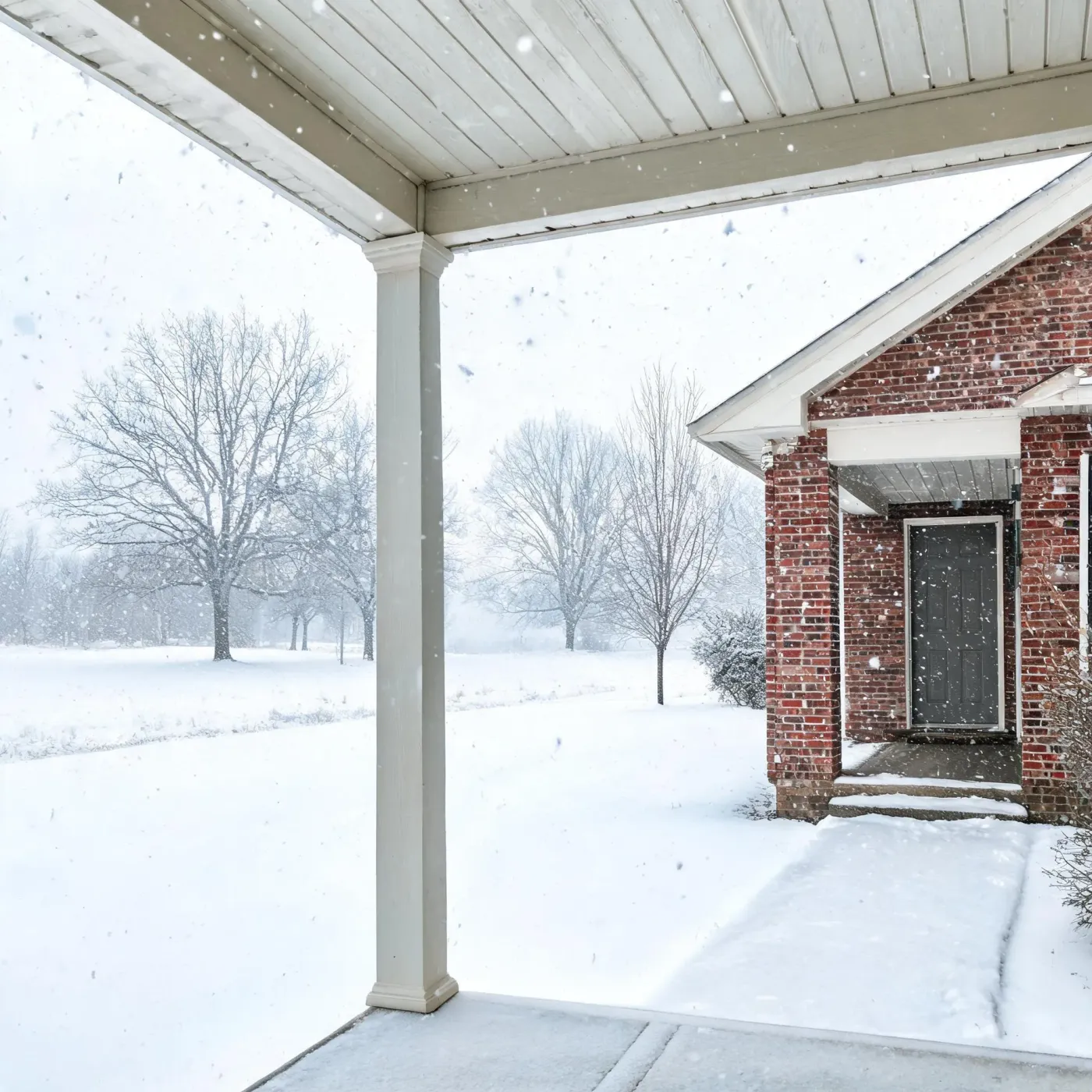
View from under a covered porch with a white column toward a red brick house with a dark door, with falling snow, snow-covered ground and bare trees in the background.

Statewide, winter nights average 15°F, according to NOAA climate data. That's the cold your oil furnace is built to run against night after night, not once in a while. When the burner keeps dropping out instead of holding a flame, the house doesn't just sit at room temperature while you wait on repairs. It loses ground fast, and at 15°F outside, a few hours without heat can drop a room enough that you'll feel it in the floors and against the windows before morning. The colder it is outside, the less time you have before a furnace that's not firing turns into a house that's genuinely cold.

NOAA nClimDiv 1991-2020 county normals weighted by homes

Cold air from the vents almost always comes back to the burner losing its flame, whether that's a clogged nozzle, a worn igniter, or fuel that isn't reaching it right. The blower doesn't know the difference, so it keeps pushing air through the ducts whether the oil is burning or not. That's the whole problem: a furnace that runs but doesn't heat anything, in a state where 15°F nights don't give a house much room for error. Fixing it isn't a job for whoever's available first. It takes someone who works on oil furnaces all winter in New Hampshire and has seen this exact failure before, who can look at the burner and know in a few minutes whether it's the nozzle, the igniter, or something further down the fuel line. When you ask for help here, you get matched with one licensed local contractor who takes on your furnace specifically, not a handful of companies calling you back at once. Your house doesn't need to sit cold while you sort through quotes.

Sunlight falls across a beige upholstered sofa with a textured woven cushion and a chunky knit throw, beside a dark wood cabinet holding a ceramic vase with green leafy branches, near a white-framed window.
A sunlit corner of a room with a wooden side table holding a ceramic vase of green foliage and a wooden bowl, beside a light upholstered sofa with a knit throw and rust-colored pillow, with window shadows cast on a beige wall.
A sunlit room corner with beige walls, a white-framed window with sheer cream curtain, wood floor with a light rug, and a woven basket holding a knit blanket.
A beige ceramic vase holding a leafy green branch sits on a wooden cabinet in a corner, with sunlight through a sheer curtain casting leaf shadows on the wall.
A grey upholstered sofa with a rust-orange velvet cushion and a textured throw sits beside a window with linen curtains, next to a wooden side table holding a pale ceramic vase of olive branches.

A pro who works on furnaces

Only one pro gets your request, so you hear from one company.

Find a local pro

Asking costs nothing, and the choice to hire stays yours.