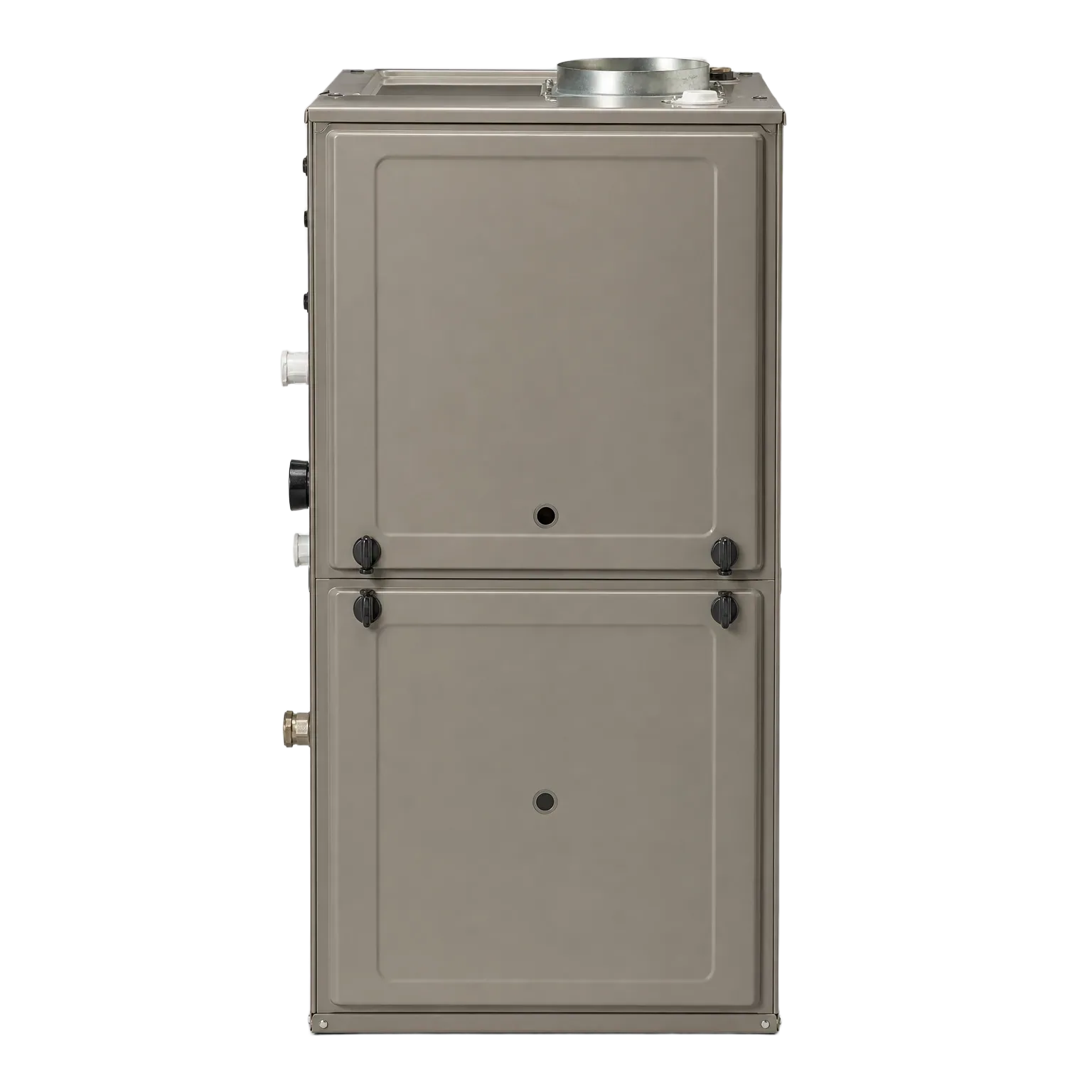
Running dry
No water on the floor, no rust on the cabinet, no drip when the burners kick on. The flue pipes and gas line are doing their job and the drain, if it has one, is clearing water as fast as it's made.

A furnace that's leaking water usually means condensation is forming where it shouldn't, or a drain meant to carry it away is blocked or cracked. If your furnace is a high-efficiency model, it produces condensate as part of normal operation, and that water runs out through a drain line and a trap. Algae, dust, or a kink in that line will back the water up until it finds its way out somewhere in the cabinet. Most homes in New Hampshire heat with oil, and an oil furnace can leak water too, usually from a cracked heat exchanger or condensation where flue gases meet a cold surface in the vent pipe. Either way, water near a gas or oil furnace isn't something to wait out. It can mean a clogged line, a failing part, or in some cases a cracked exchanger that needs more than a cleaning. Someone who works on furnaces regularly can tell which one you're dealing with once they see it running.


Most furnaces in New Hampshire run on oil, and a standard oil furnace has no reason to produce condensate at all. So if yours is leaking, start by figuring out whether it's really the furnace or something nearby. A water heater or an AC coil sharing the same basement or closet can drip and pool in a spot that makes you blame the furnace instead. If it turns out to be the furnace itself, a cracked heat exchanger lets flue gas condense inside the cabinet, and that's worth taking seriously since it's a venting problem, not just a puddle. On a high-efficiency furnace, the second heat exchanger is designed to pull extra heat out of the exhaust, and condensate is a normal byproduct of that process. That water is supposed to drain out through a condensate line, but algae and sludge build up in that line over time and back the water up at the trap. The PVC vent pipe on these units can also crack or pull loose at a joint, letting condensate escape before it ever reaches the drain.




The pro who reaches out is licensed in New Hampshire.
You're not committing to anything by asking.
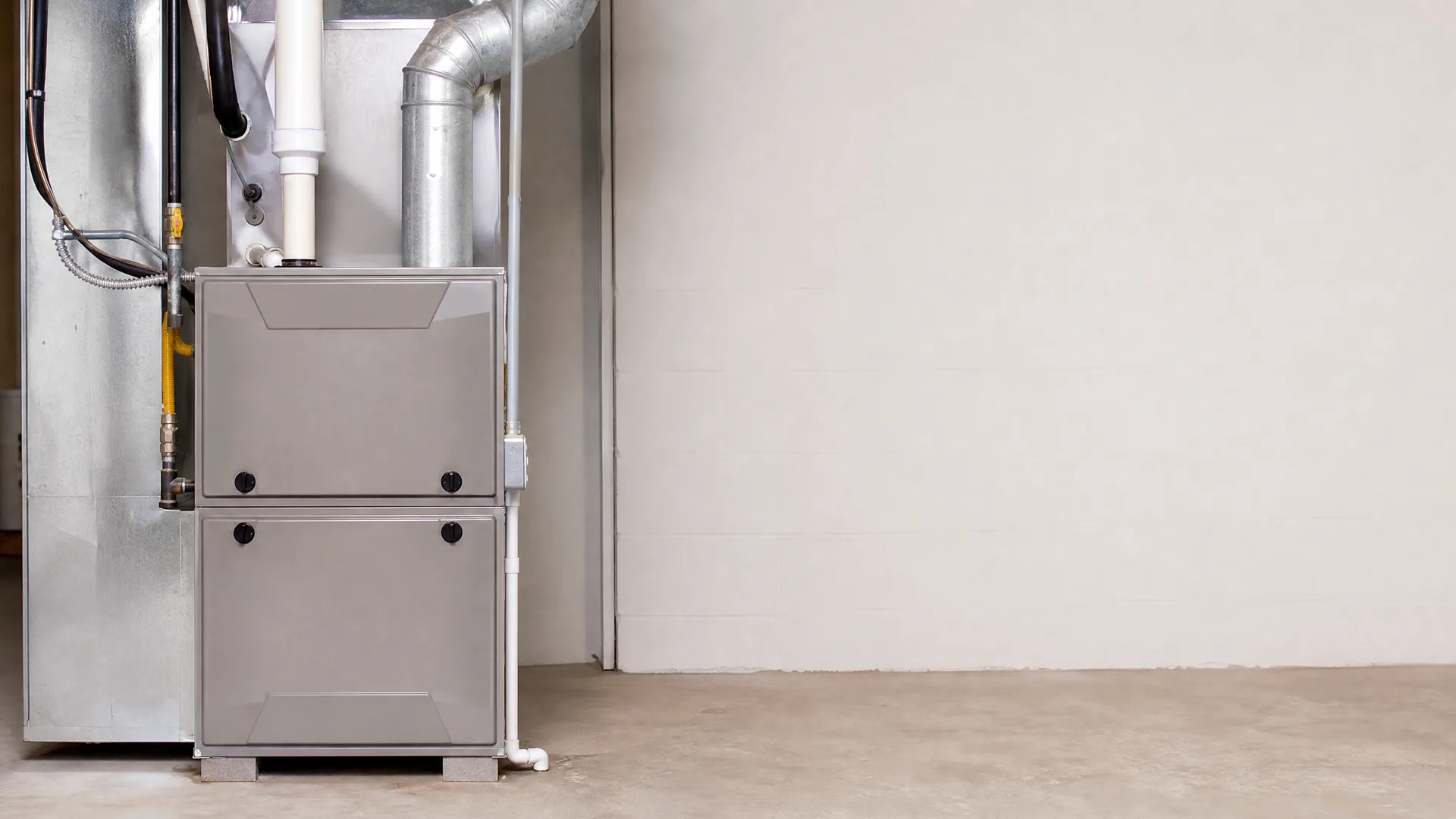
Plenty of furnaces here run a whole-house humidifier mounted right on the supply plenum, since New Hampshire winters dry the air out fast. That unit has its own water line and its own small drain. A clogged humidifier pad or a cracked saddle valve will drip water down onto the furnace cabinet below it, and it looks exactly like the furnace itself is leaking when it isn't.
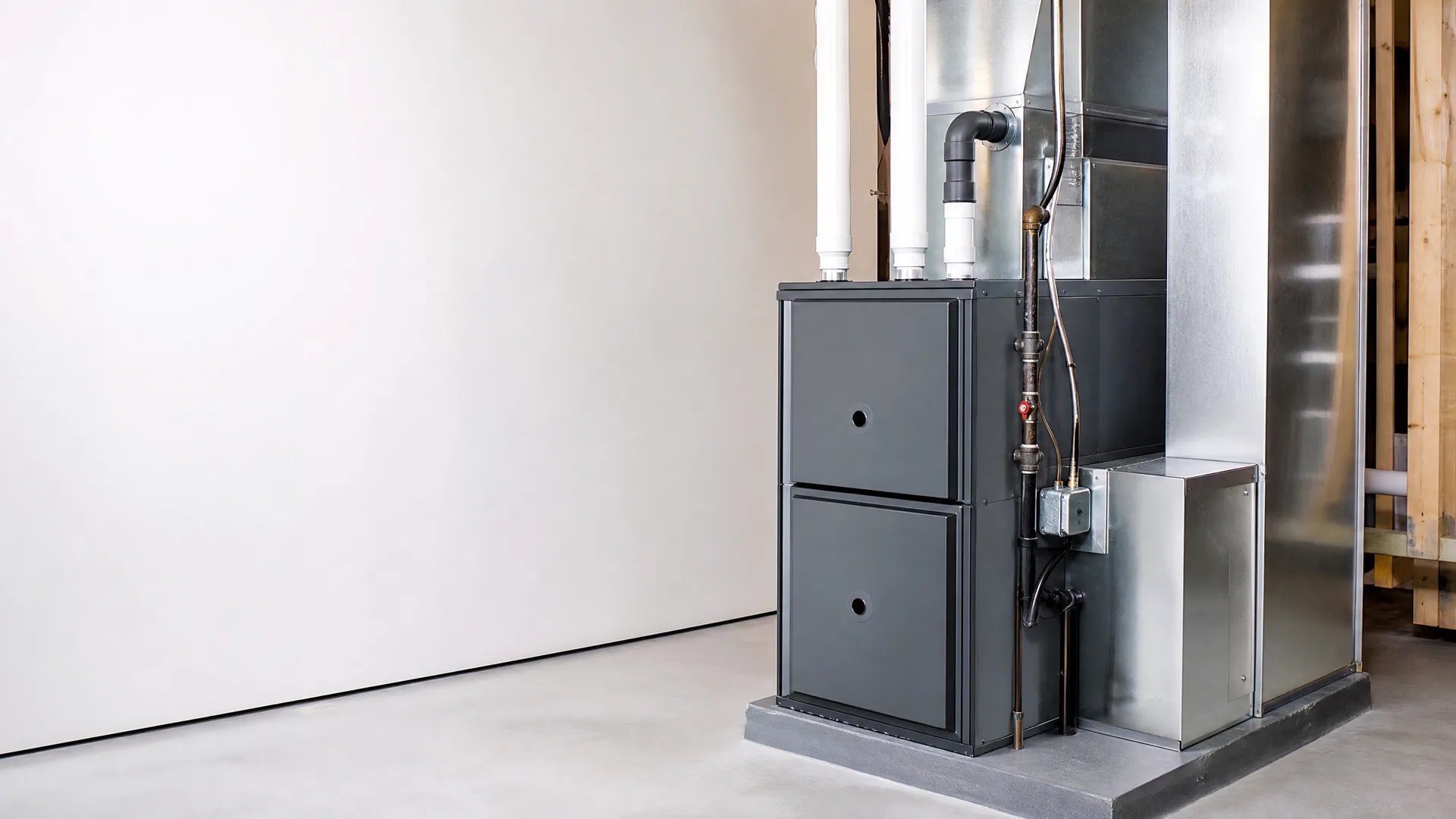
An oil furnace burns fuel differently than a gas one, and soot buildup on the heat exchanger or burner assembly changes how it handles moisture. If the flue or chimney draft is off, exhaust can cool faster than it should inside the cabinet. That condensation collects at the bottom of the furnace and works its way out through a seam, which reads as a leak even though no drain line failed.
At 15°F overnight, your furnace is running long stretches without much break. That kind of steady runtime pushes more flue gas through the system, and if a heat exchanger has a crack, more condensation forms along the way.
NOAA nClimDiv 1991-2020 county normals weighted by homes
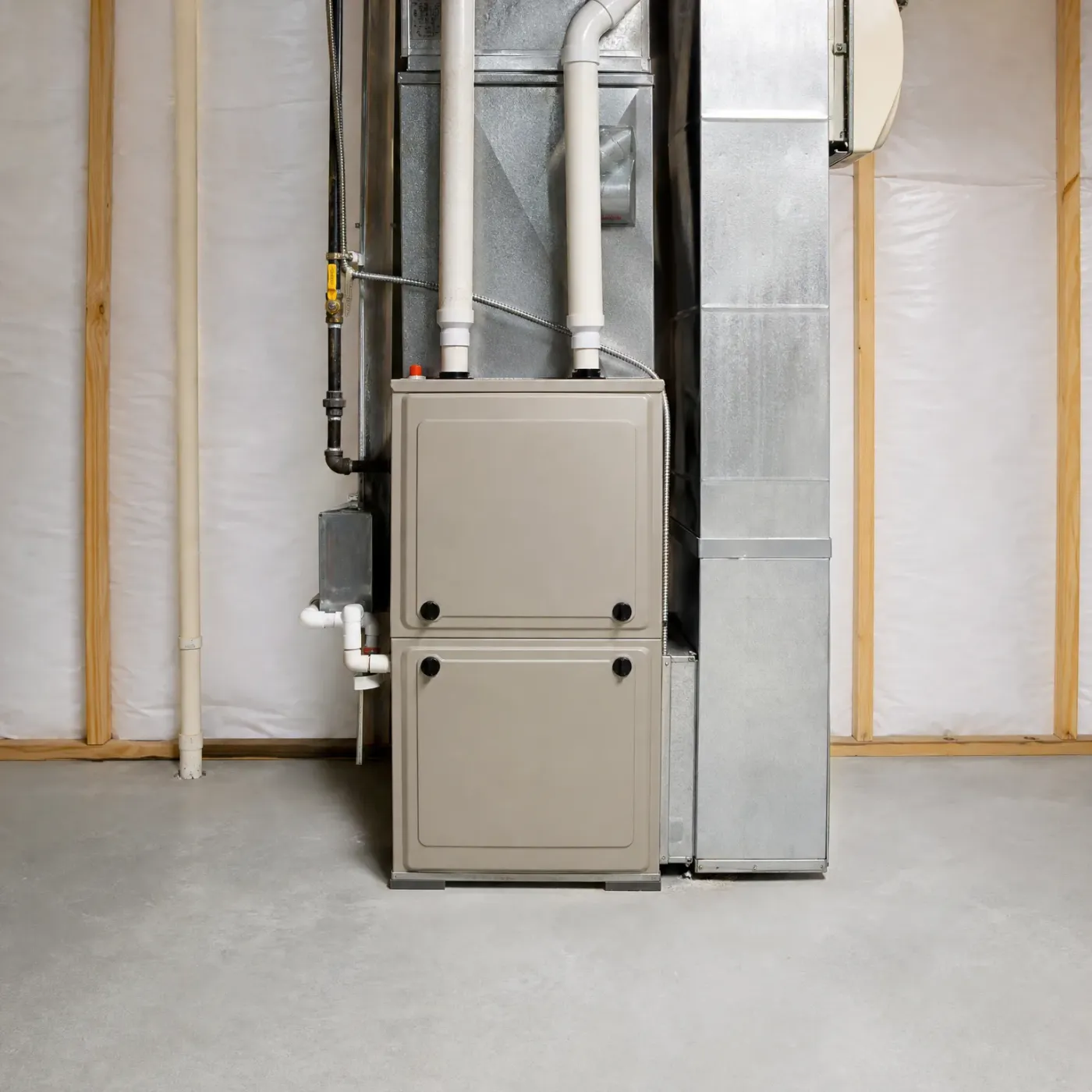
No water on the floor, no rust on the cabinet, no drip when the burners kick on. The flue pipes and gas line are doing their job and the drain, if it has one, is clearing water as fast as it's made.
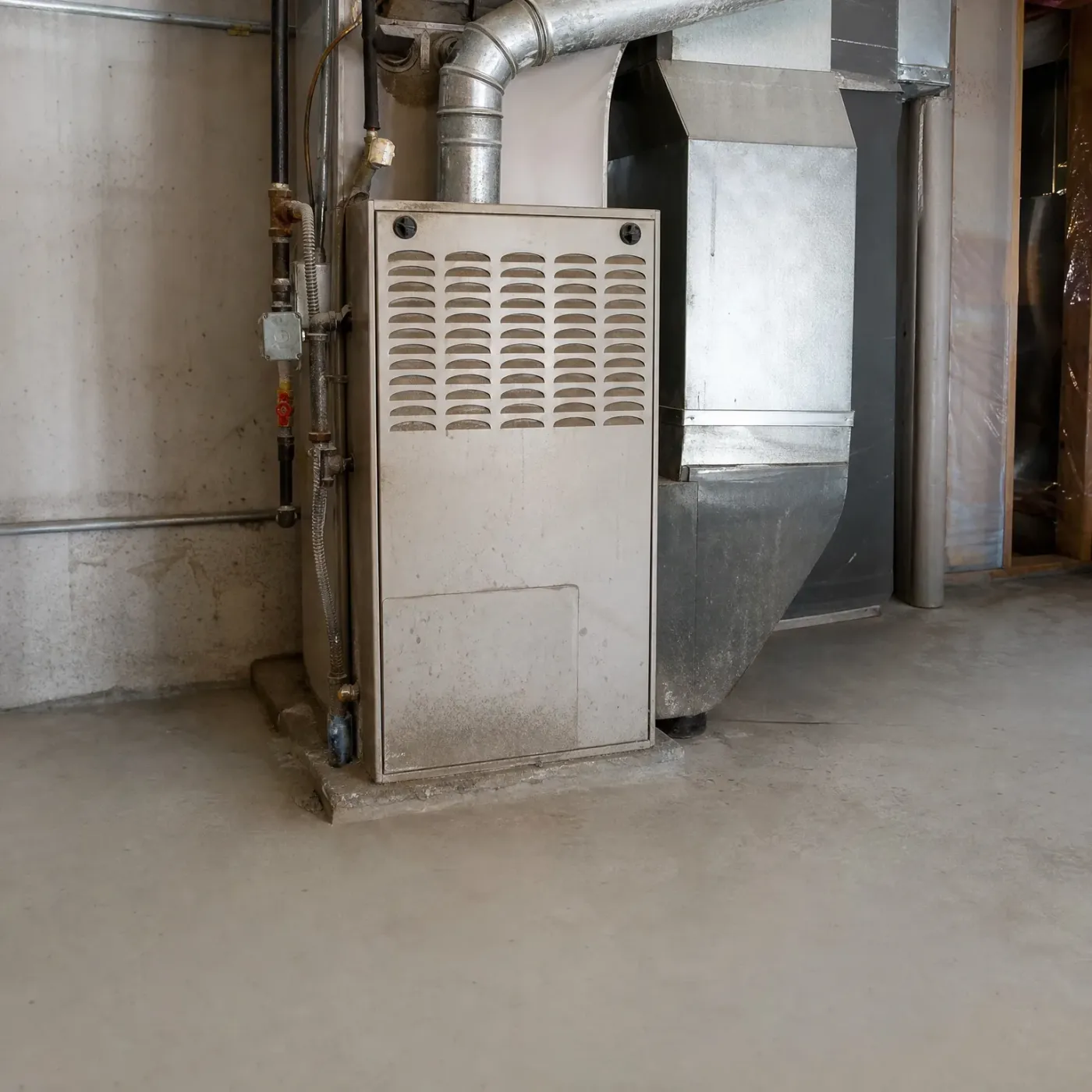
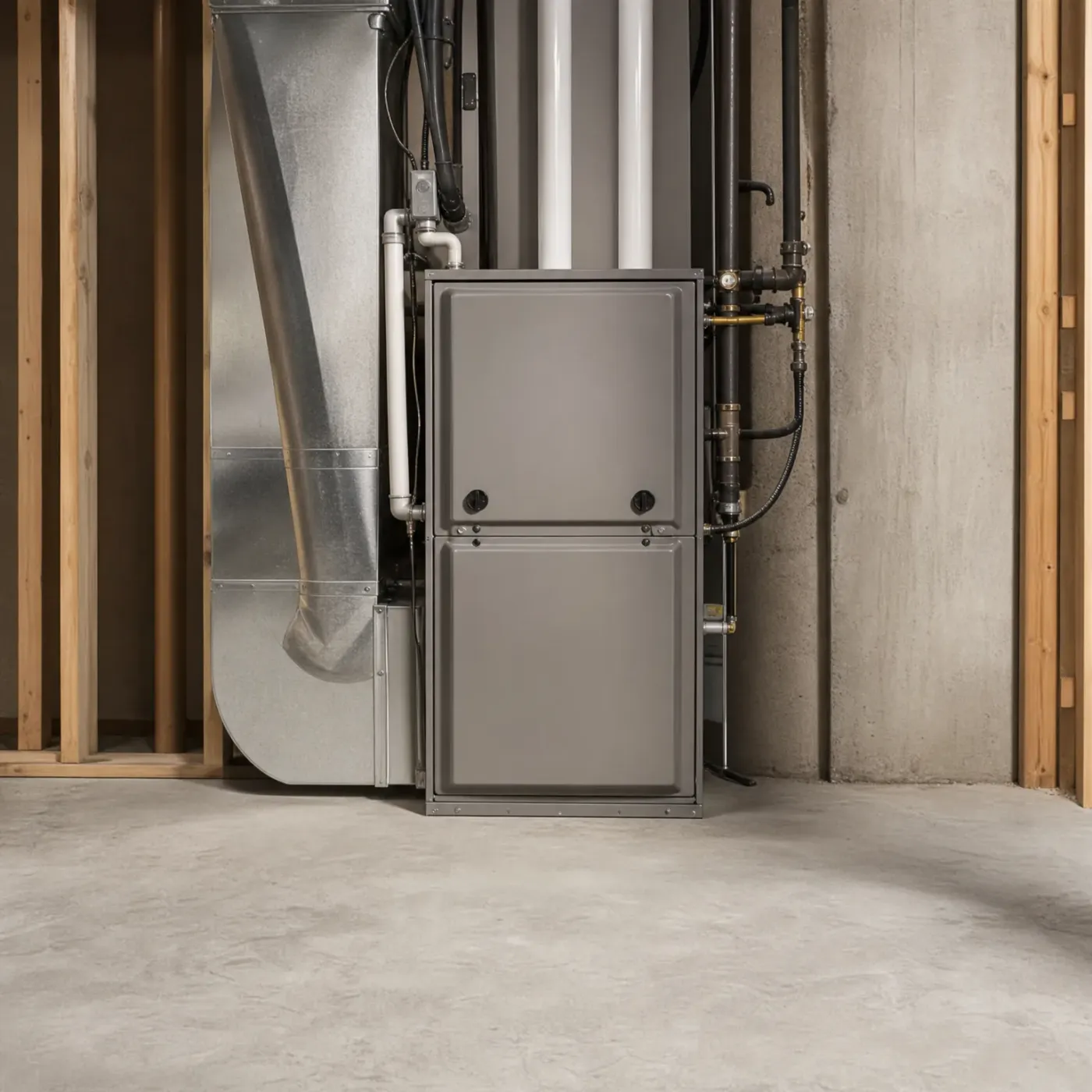
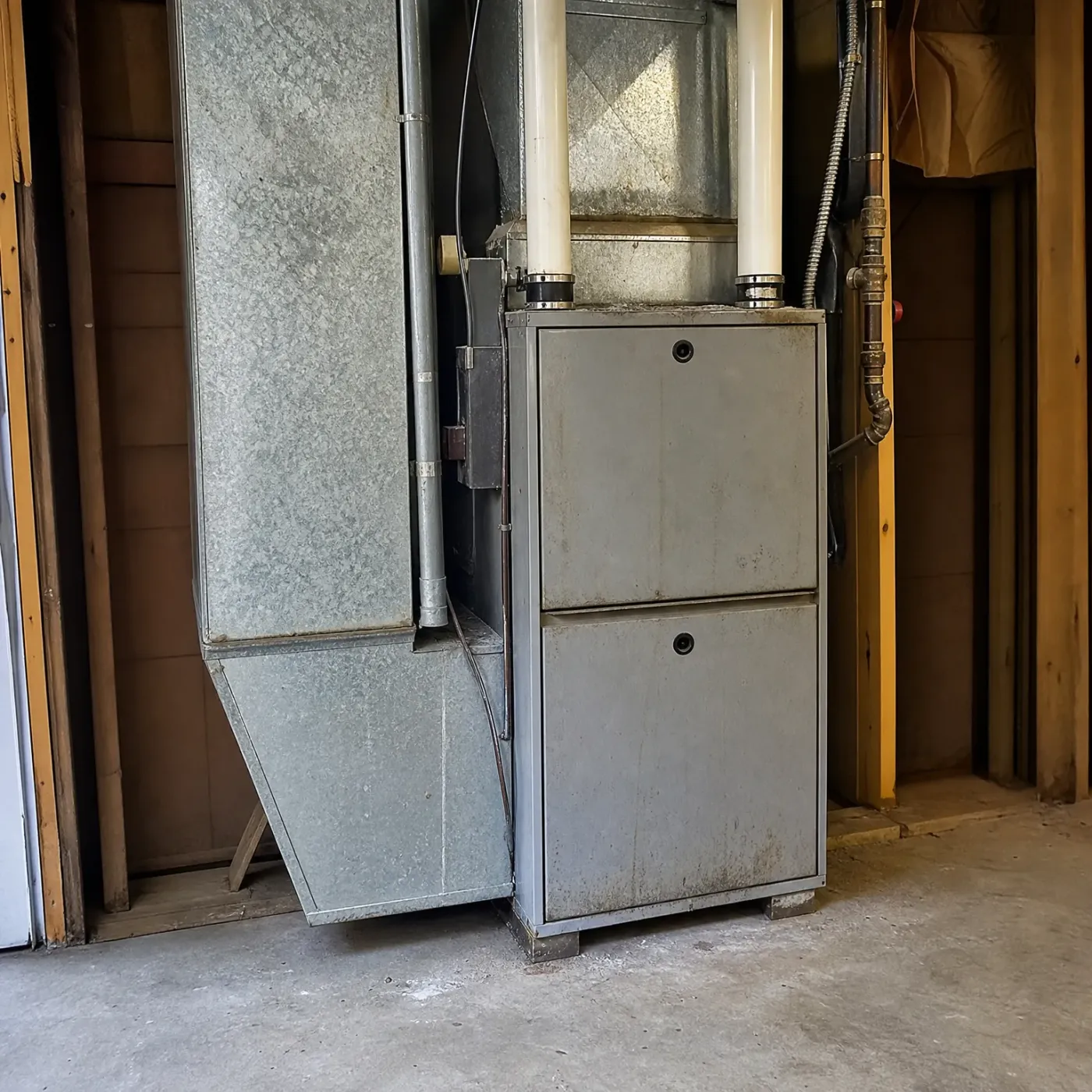
Dust and age on the cabinet aren't the problem by themselves, but if there's water pooling under this furnace, something upstream is cracked, clogged, or routed wrong. Left alone, that moisture will rust the cabinet through.
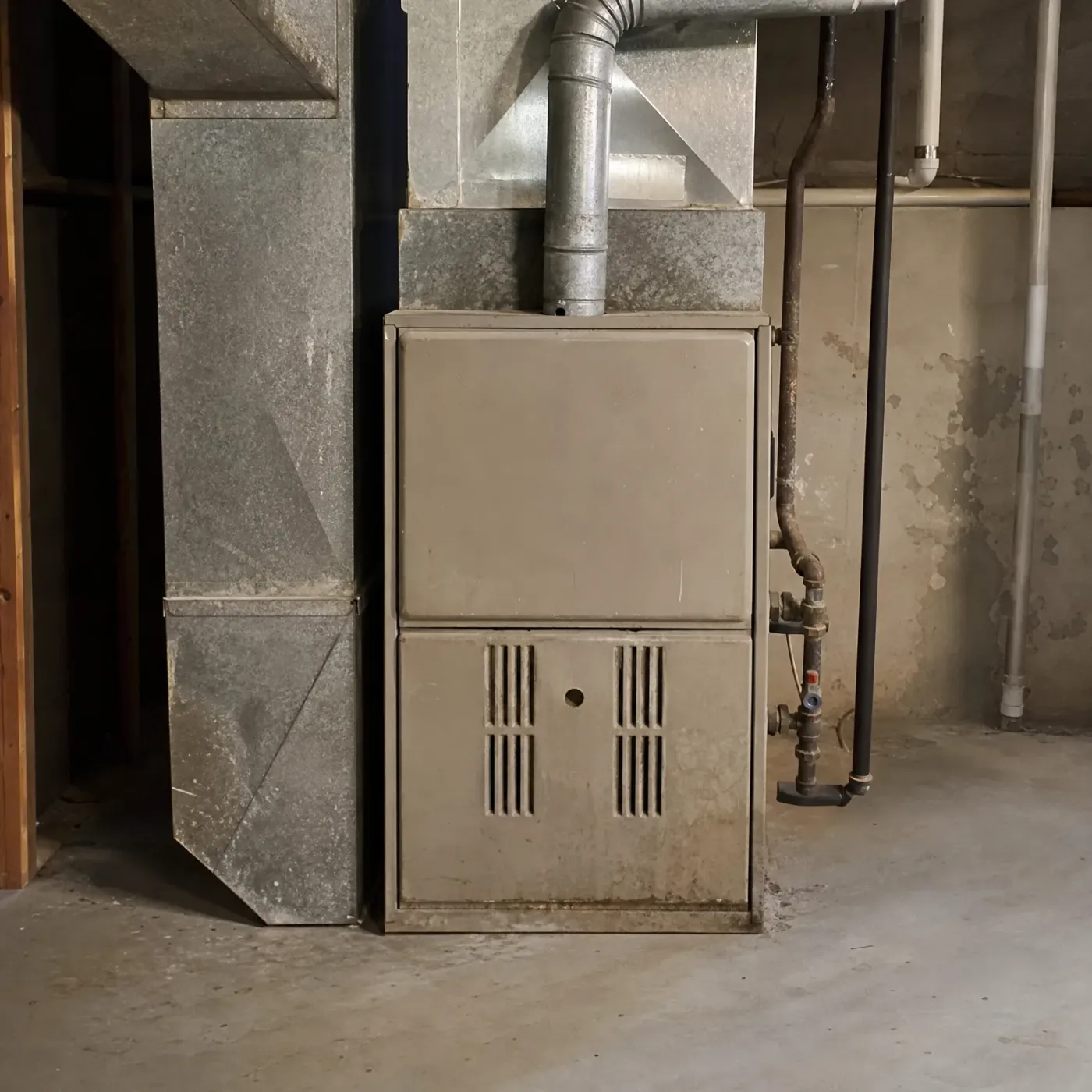
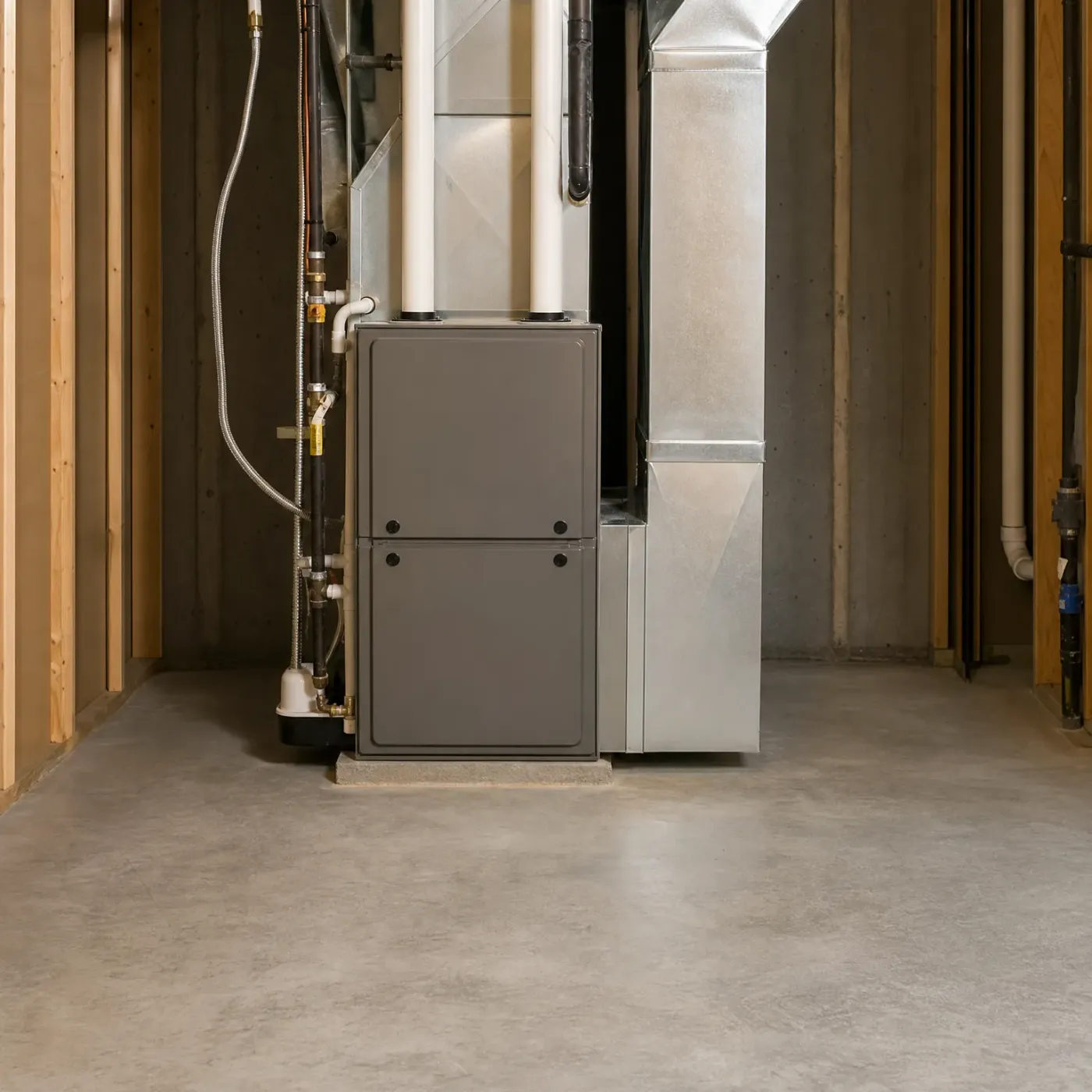
An oil furnace leaking water almost never has a clogged condensate drain, because that's a problem for high-efficiency gas units. Look instead at the heat exchanger, the flue, and the humidifier line if you have one mounted on the plenum. A dry cabinet and a clear plenum mean the furnace is running the way it should, even through a stretch of nights in the teens with the burners cycling long and hard. Rust on the metal and a plenum that stays damp tell a different story. That kind of wear doesn't happen overnight. It points to water sitting there for days or weeks, which is worth catching before it spreads to the cabinet or the exchanger itself.
Sorting out which of the three it is takes someone who knows oil systems, not someone guessing between parts that belong to a gas furnace. A contractor who works on furnaces around New Hampshire all winter has seen this pattern enough times to know which source fails most often in homes with setups like yours. When you ask for a repair through this page, you're matched with one licensed local contractor, not a handful of companies competing for the job. That means one call back, from someone who already knows what to check first, instead of a line of strangers asking the same questions. Finding the actual source now, whether it's a cracked exchanger, a flue issue, or a humidifier line, is what keeps a small leak from turning into a bigger repair later.





Only one pro gets your request, so you hear from one company.
It costs nothing to send, and you don't have to hire anyone.