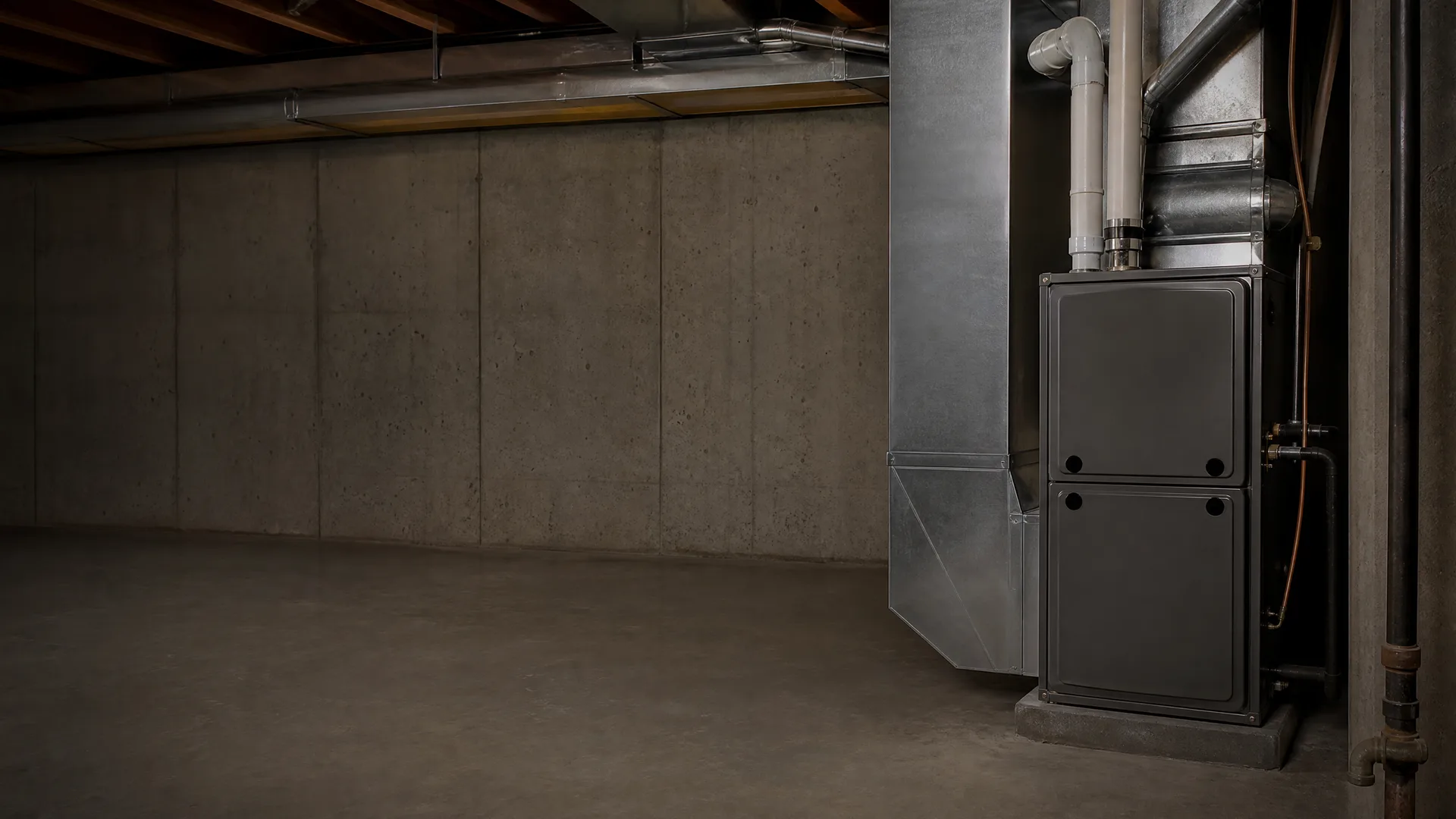
Why your furnace keeps turning on and off in New Hampshire
Once you send the form, finding a pro is off your list.
A furnace that keeps clicking on and off, running for a few minutes and shutting down, running again, is short cycling. It is not warming up on its own schedule. Something is cutting it short, and in a New Hampshire winter that means heat you are not getting on a system you are still paying to run.
Most furnaces here burn oil, and oil furnaces short cycle for their own set of reasons. A dirty nozzle, a bad cad cell, a flame sensor that cannot see what it needs to see. A clogged filter can starve the blower for air and trip the limit switch before the house ever warms up. A thermostat in the wrong spot can call for heat and cancel the call minutes later. None of these fix themselves, and none of them get cheaper to ignore.
With power rates in New Hampshire among the highest in the country, a furnace that short cycles all winter is costing you on every cycle, not just the ones that finish. The igniter wears faster. The blower motor works harder for less heat delivered. And the house never quite catches up, which means the thermostat calls for heat again sooner than it should.
You do not have to spend your evening on this. No searching through listings, no calling three places to ask if anyone's available, no explaining the same problem over and over to find out who actually works on oil furnaces. Send the form once and that search is done. Someone licensed to work on your system takes it from there, and the only thing left on your list is answering the door.
Why does my furnace keep turning on and off?
You stand by the thermostat and listen to it happen again. The burner kicks on, you feel warm air start, and a few minutes later it shuts off, only to fire back up shortly after. It never settles into a normal run. With an oil furnace working through a New Hampshire winter, that pattern usually means something is wrong before the heat gets the chance to even out.
A flame sensor, filter or limit switch is cutting the burner off early
Most short cycling comes down to the furnace sensing something is off and shutting the burner down before it should. A dirty filter blocks airflow, the heat exchanger gets too hot, and the limit switch trips to protect it. A flame sensor coated in soot can't confirm the flame is burning clean, so the furnace stops it rather than risk running dirty. On an oil furnace, a clogged nozzle or a failing igniter can cause the same thing. None of these fix themselves, and running a furnace through a New Hampshire winter in this state means more oil burned for less heat, on top of power rates that are already among the highest in the country.
Running the way it should
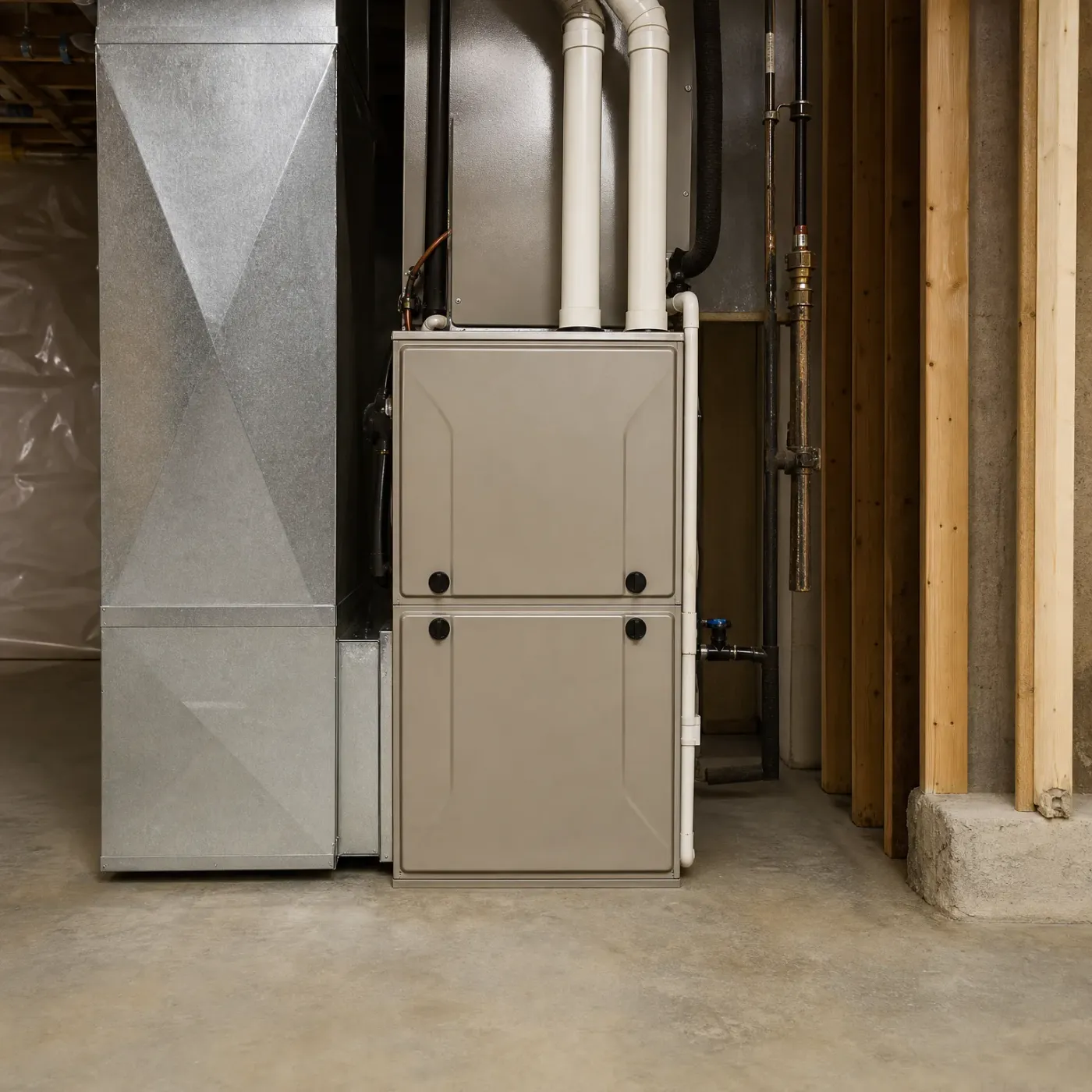
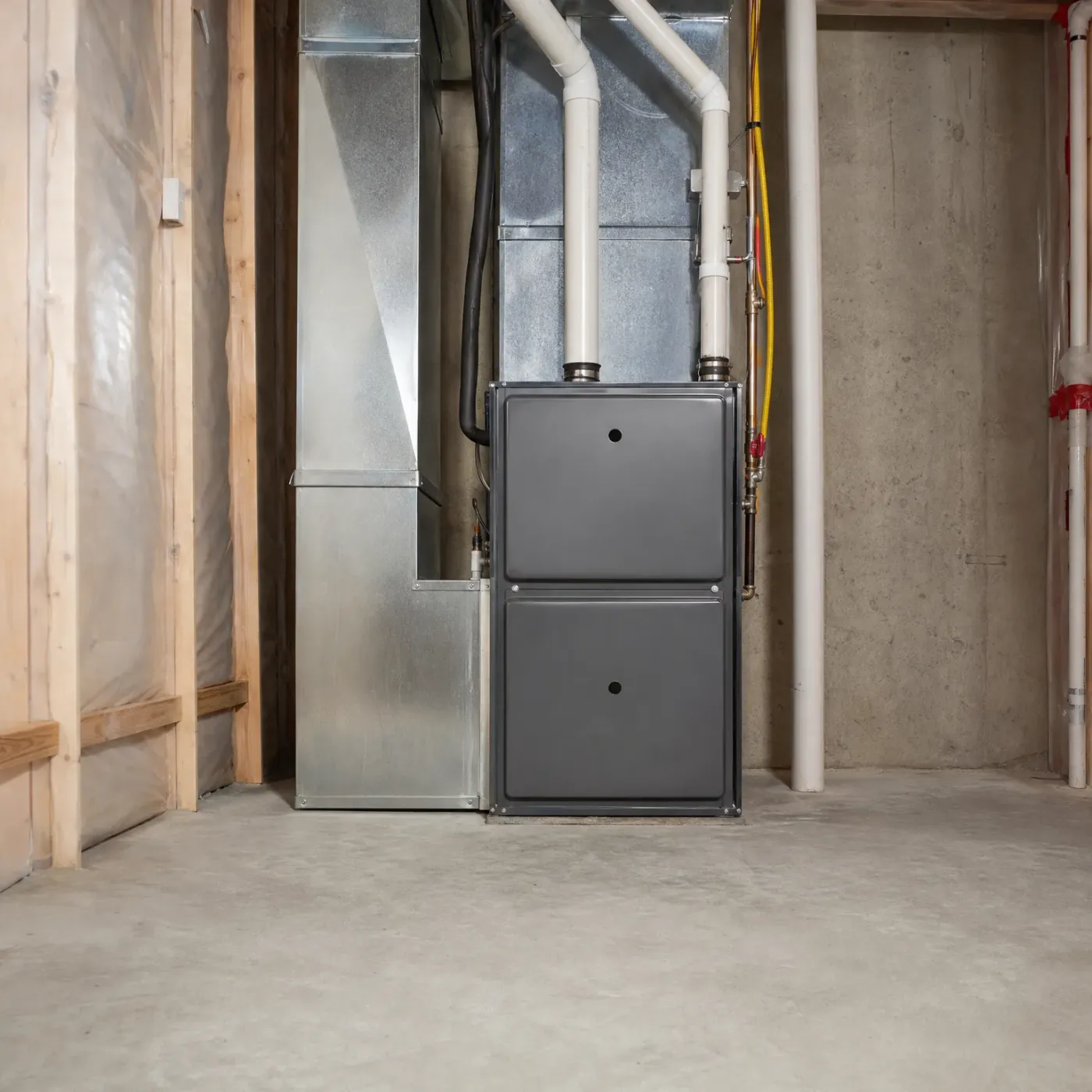
A furnace that's cycling right fires up, runs for a stretch, and shuts off once the house reaches temperature. You get steady warm air out of the vents, not a burst followed by cold air blowing. It should stay off for a while before the next cycle starts.
Cutting itself short
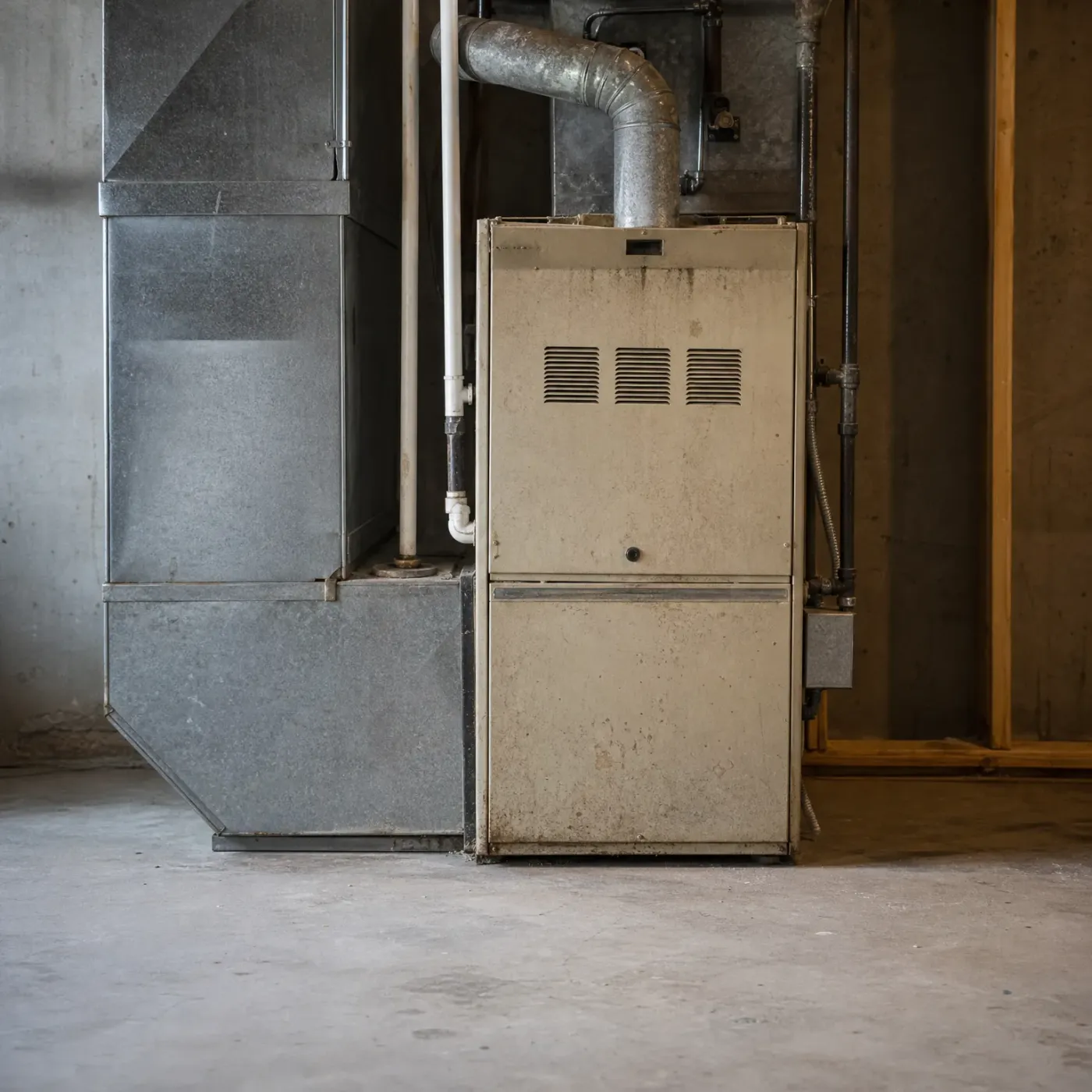
This one fires, runs a few minutes, and quits before the house warms up. That pattern wears on the ignition system and the blower motor with every extra start. Left alone through a New Hampshire winter, it's more oil burned for less heat in the rooms.
Is this costing you more on oil and power than it should
You'll notice the thermostat says 68 but the room by the window never quite gets there. The oil tank empties faster than it used to for the same stretch of cold. Upstairs stays chilly while the furnace keeps firing downstairs. Some rooms get warm air in short bursts, then nothing, then it starts again. A furnace that short cycles is burning oil and electricity to heat the house in fits instead of steadily, and in New Hampshire, where oil heat and electric rates both run high, that adds up over a winter. Left alone, the part forcing the shutdowns usually doesn't fix itself, and the cycling tends to get more frequent, not less.
A furnace that short cycles all winter is burning oil for heat that never makes it to the rooms that need it, and with oil prices what they are in New Hampshire, that adds up fast. Every call to find out what's wrong means another day of this. You could spend an evening calling oil companies and repair outfits around you, explaining the clicking on and off, the short bursts of warm air, the cold spots upstairs, over and over, then sit with a stack of quotes trying to guess which one actually knows what's cutting your burner short. Or you can send this once and let someone who does this work sort out whether it's a flame sensor, a clogged filter, or something in the limit switch. You still have a winter to get through and a furnace that needs looking at before the next cold snap. Handing this off now means one less thing you're tracking while the temperature drops outside.
What's actually cutting the burner off
A flame sensor coated with a thin layer of residue can't signal the control board fast enough, so the board shuts the gas valve as a safety check.
A dirty filter chokes airflow across the heat exchanger, the limit switch senses the buildup of heat, and it kills the burner before the room warms.
An oil furnace with a clogged nozzle or failing igniter can light rough, fail the flame check, and shut down within seconds of starting.
A thermostat mounted near a heat register or a drafty wall reads the air around it, not the room, and cycles the furnace off too early.
An oversized furnace heats the air near the thermostat fast, shuts off before the rest of the house catches up, then fires again minutes later.
A cracked heat exchanger trips the same limit switch that catches a dirty filter, so the furnace shuts down even when airflow looks fine.
Short cycling always traces back to something telling the furnace to stop before it should. On an oil furnace, that often starts at the nozzle or the igniter. A clogged nozzle sprays oil unevenly, the flame burns rough, and the flame sensor that's supposed to confirm a clean light instead reads a failure and shuts the burner down within seconds. A fouled flame sensor on a gas furnace does something similar from the other direction. It picks up a layer of residue over time and stops sending its signal fast enough, so the control board assumes no flame is there and closes the gas valve as a safety check, even though the furnace was running fine.
Airflow causes the same shutdown through a different part. A dirty filter blocks air from moving across the heat exchanger, heat builds up where it shouldn't, and the limit switch trips to keep the exchanger from overheating. That same limit switch trips if the heat exchanger itself has cracked, which means a furnace can short cycle even when the filter is clean and airflow looks normal. Where the thermostat sits matters too. One mounted near a heat register or on a drafty wall reads the air passing it, not the temperature of the room, and tells the furnace to shut off before the house has actually warmed. An oversized furnace produces the same pattern on its own, heating the air near the thermostat quickly, shutting off, then firing again minutes later because the rest of the house never caught up.
A furnace running right fires up, moves air through the ducts without strain, and stays running until the house reaches temperature.
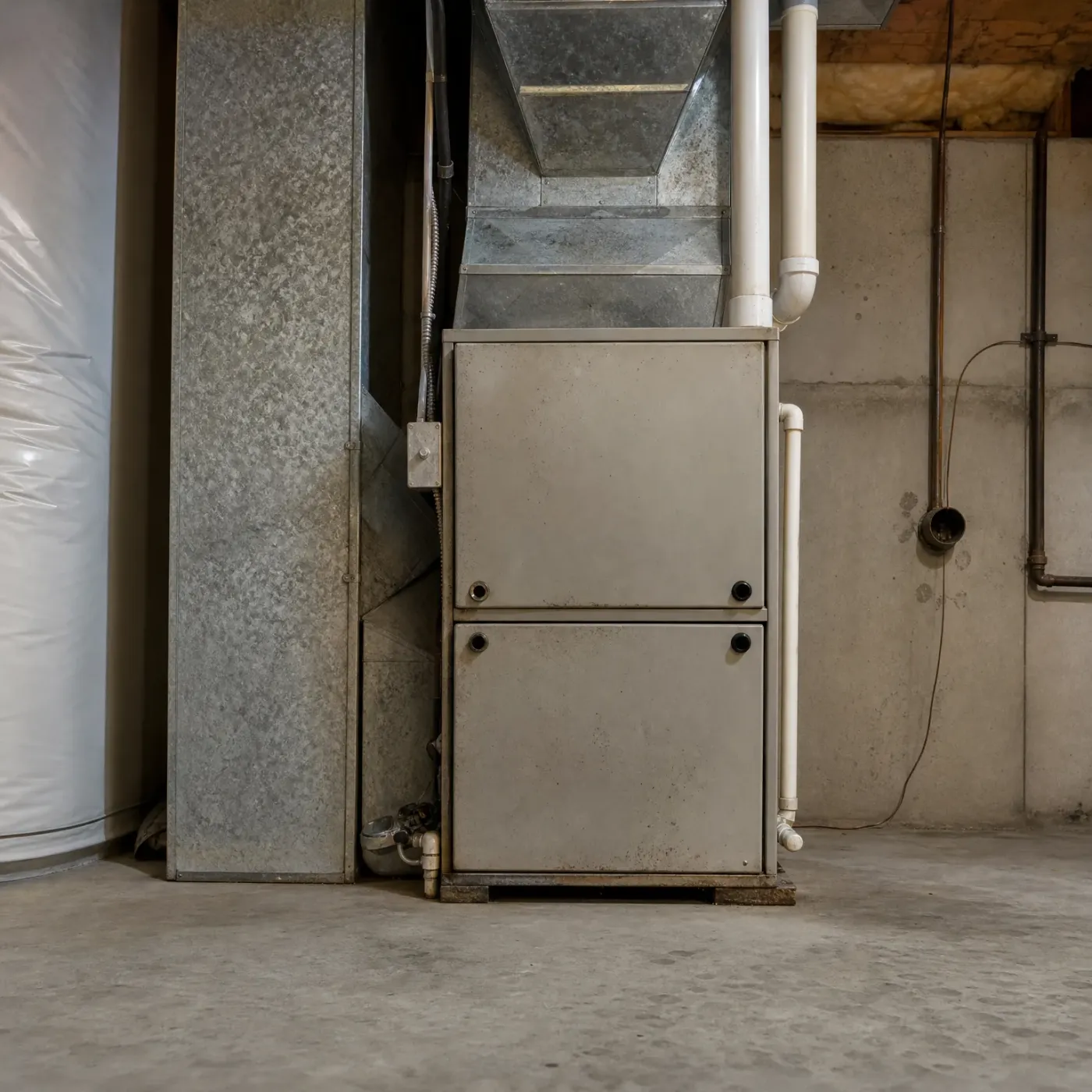
A furnace sitting on a pallet still has to pull against the same short cycling once it's hooked back up if the real cause wasn't found.
Winter nights average 15°F statewide
On a 15 degree night, a furnace that short cycles never gets the chance to catch up. It fires for a few minutes, quits, and the house loses ground again before the next burst starts. At that temperature outside, those gaps are when the cold gets into the rooms farthest from the thermostat.
NOAA nClimDiv 1991-2020 county normals weighted by homes
A furnace that keeps shutting off before the house warms up has something stopping it, not a quirk it will outgrow. That's true whether it's a flame sensor needing a cleaning, a filter choking the airflow, or a limit switch doing exactly what it's built to do when it senses too much heat building up. The fix is a visit, not a guess from across the room, and the cold snaps in New Hampshire don't leave much room to wait on it. What changes once you send the form is what's in front of you. Instead of searching for who handles oil furnaces around here, calling a few numbers, explaining the clicking and the short bursts of air all over again to each one, and sitting with quotes trying to guess who's worth the call, that part is off your plate. You're left with the actual repair, the part you can't skip anyway, instead of the hours it usually takes just to find someone who'll show up and look at it.
Hand off the search today
Answer a few questions instead of calling shop after shop.