Tell us about the job
Takes about a minute. No obligation.
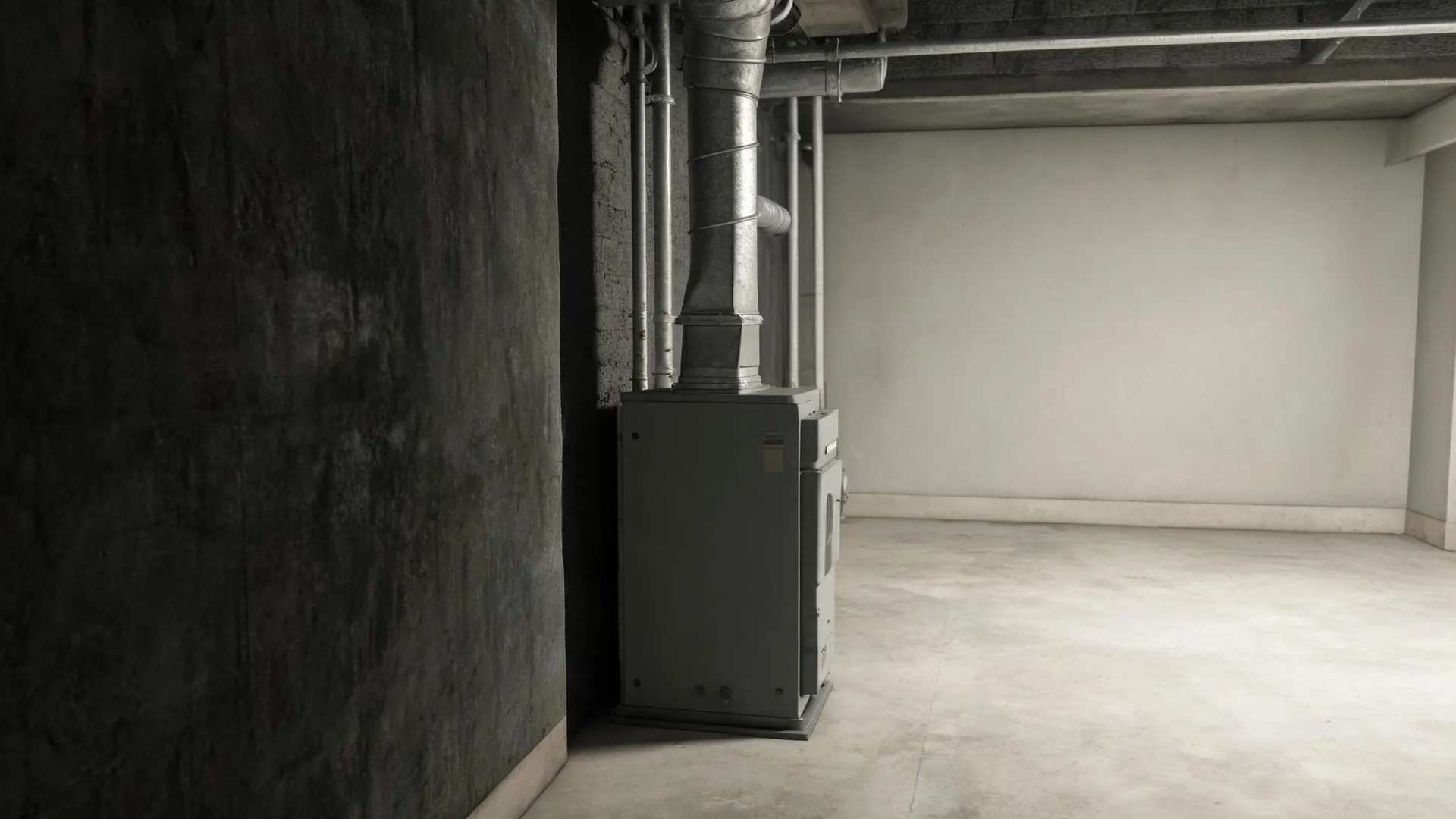
A contractor quoting a furnace repair in Sullivan County has to account for what the burner and ignition system have already been through before they touch a single part. Homes in Sullivan County, NH run heat about nine months a year, from September through May. That means the heat exchanger, the igniter, and the flame sensor spend far more of each year cycling than they spend sitting idle. When one of those parts fails, the failure usually reflects accumulated fatigue rather than a single bad event. A contractor will check the ignition system and heat exchanger first, because those are the components that absorb the load every season and show it earliest.
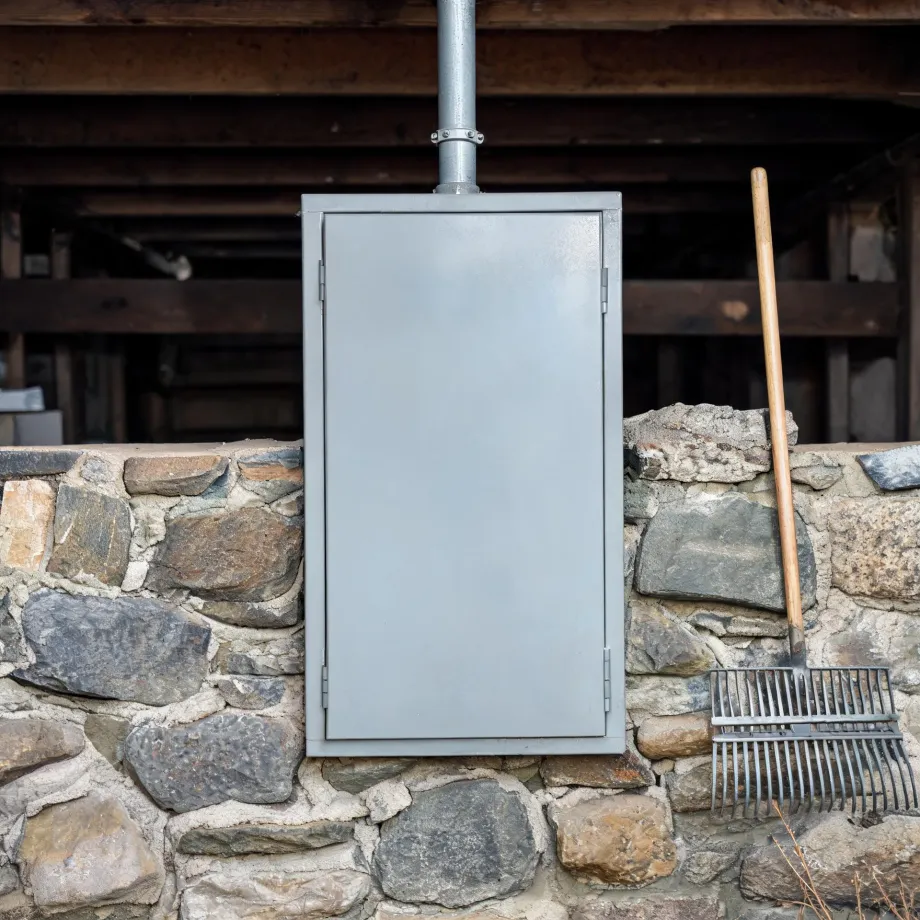
Furnace repair in a county where the housing stock runs this old tends to surface a specific problem: the system a contractor opens is rarely the first one to occupy that cabinet. Half the homes in Sullivan County, New Hampshire were built in 1974 or earlier (2020-2024 ACS 5-year). That means heat exchangers, burner assemblies, and flue connections have been swapped and reworked across generations of equipment, and what a contractor finds inside reflects that layered history. A cracked heat exchanger in a house like this is not a surprise tied to the building; it is a question of how many seasons this particular unit has run and whether the parts it takes are still in production.
The Parts of a Furnace a Contractor Checks First
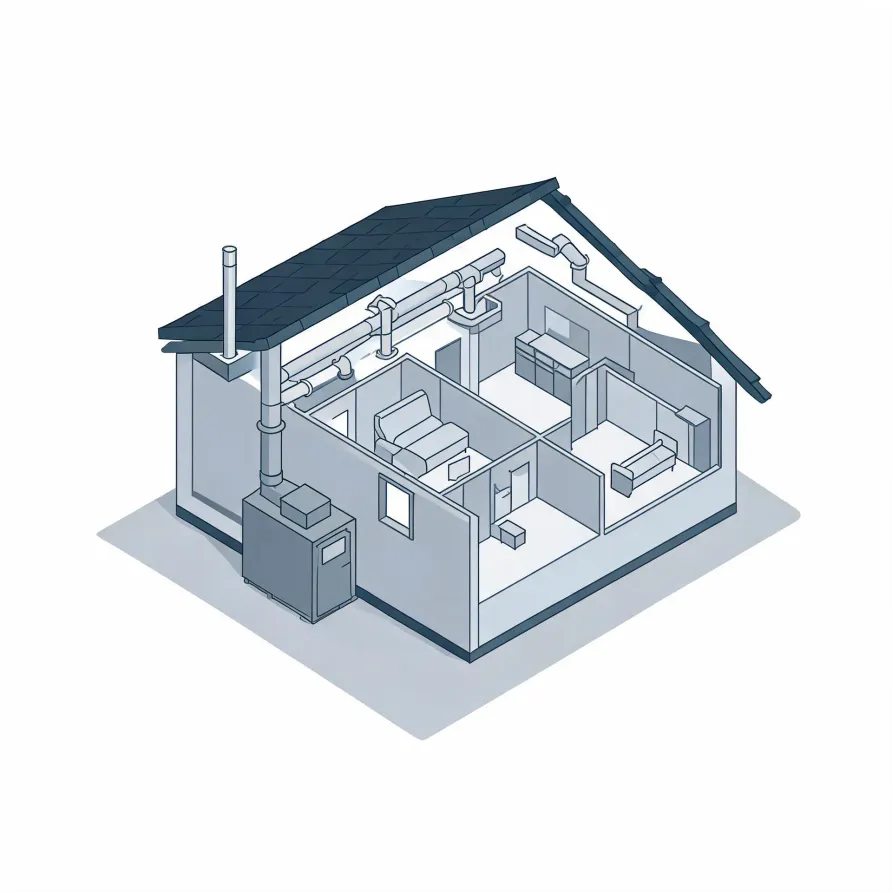
The furnace itself sits in the basement, utility room, or mechanical closet and is the piece a contractor goes to first. Inside it, the heat exchanger is what separates combustion gases from the air your household breathes, and a crack or failure there is among the more serious faults a contractor will look for. The burners, the igniter, and the flame sensor all sit within that cabinet and are common sources of a furnace that won't start or won't stay running.
The blower motor and its fan wheel sit in the lower section of the furnace cabinet and push conditioned air out through the supply side of the system. The flue pipe runs from the top of the furnace to an exterior vent and carries combustion gases out of the house. A contractor also checks the condensate drain on high-efficiency units, where blockages can trigger safety shutoffs.
The drawing shows a typical furnace layout, and a licensed contractor determines which components apply to the specific equipment and installation in your home.
Find a contractor in Sullivan CountySullivan County, NH, by the numbers
111 severe weather events were recorded in Sullivan County, New Hampshire between 2015 and 2024.
NOAA National Centers for Environmental Information, Storm Events Database, bulk CSV export, events 2015-01-01 through 2024-12-31.Half the homes in Sullivan County, New Hampshire were built in 1974 or earlier (2020-2024 ACS 5-year).
U.S. Census Bureau, 2020-2024 American Community Survey 5-Year EstimatesSullivan County, New Hampshire holds 21,958 housing units (2020-2024 ACS 5-year).
U.S. Census Bureau, 2020-2024 American Community Survey 5-Year EstimatesOwners occupy 75.4% of the occupied homes in Sullivan County, New Hampshire (2020-2024 ACS 5-year).
U.S. Census Bureau, 2020-2024 American Community Survey 5-Year EstimatesCodes & Standards Governing Furnace Repair in Sullivan County, New Hampshire6 sourced rules and standards
What HVAC Repair Looks Like in Sullivan County
Non-weatherized gas furnaces manufactured on or after November 19, 2015 must reach 80.0 percent AFUE.
Non-weatherized oil-fired furnaces manufactured on or after November 19, 2015 must reach 83.0 percent AFUE.
Mobile home gas furnaces manufactured on or after November 19, 2015 must reach 80.0 percent AFUE.
Non-weatherized gas furnaces manufactured on or after December 18, 2028 must reach 95.0 percent AFUE, up from the 80.0 percent minimum that applies to units manufactured before that date.
Licensing and Legal Requirements in Sullivan County, New Hampshire
New Hampshire's mechanical licensing board issues nine credentials — hearth system, four fuel gas endorsements, domestic appliance technician, and master, journeyman and apprentice plumber — and a licensee may not work outside the specialty their licence names. None of the nine is an HVAC licence.
New Hampshire does not license HVAC as a trade, and says so where it matters: the plumbing licence expressly does not reach a person installing heating, cooling, air conditioning or domestic water heating systems, whether solar, oil, gas or electric. The gas piping on a gas-fired system is a separate matter and needs a fuel gas fitter licence.
Severe Weather Events in Sullivan County
Heating equipment takes a measurable hit every time a hard weather event moves through a county. Furnace repairs in Sullivan County trace directly to that load, which is why local weather history belongs on a page about local service.
111 severe weather events, 2015–2024. Source: NOAA National Centers for Environmental Information, Storm Events Database.